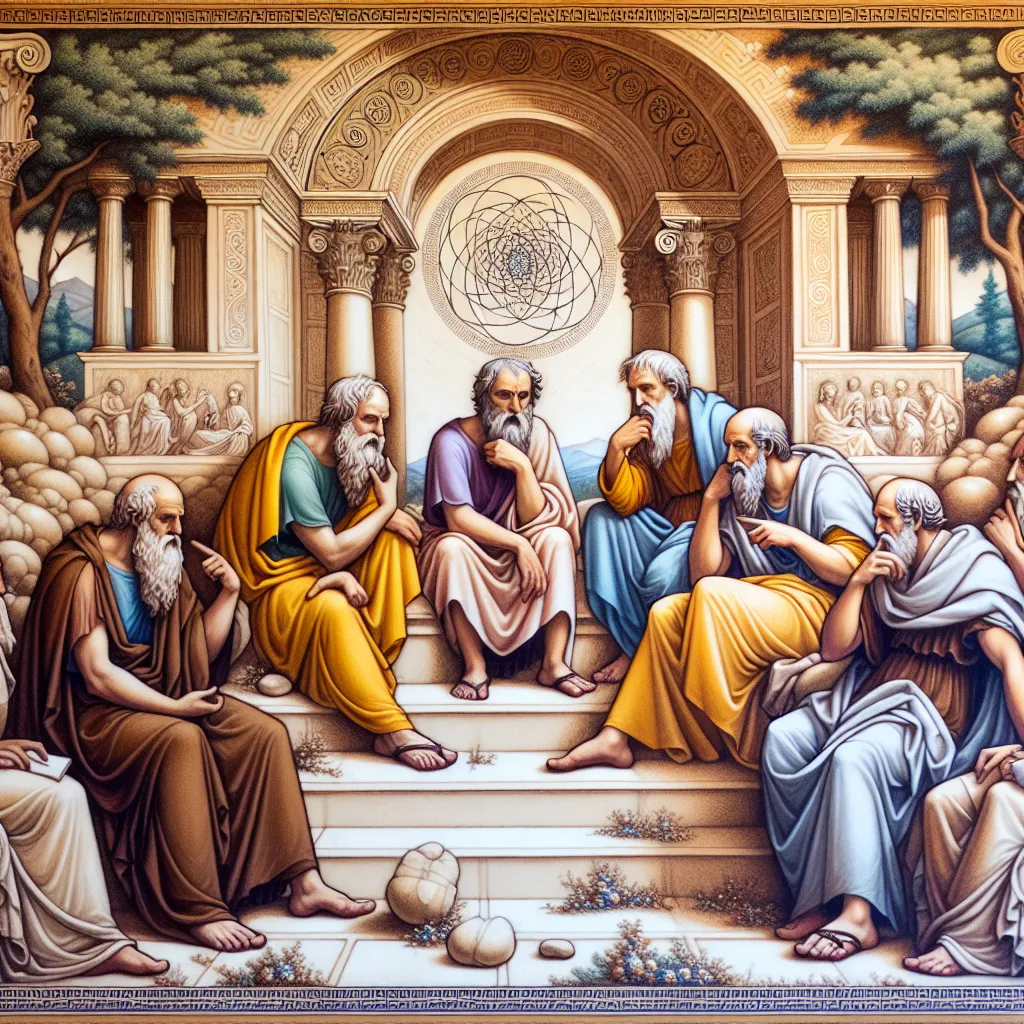
When we think of the great minds of ancient Greece, names like Socrates, Plato, and Aristotle often spring to mind. These figures have become emblematic of Greek intellectual legacy, symbolizing an era of rationality and scientific exploration. It’s easy to simplify their contributions as purely rational—a kind of precursor to our current enlightened age. This view, however, misses an important part of the picture.
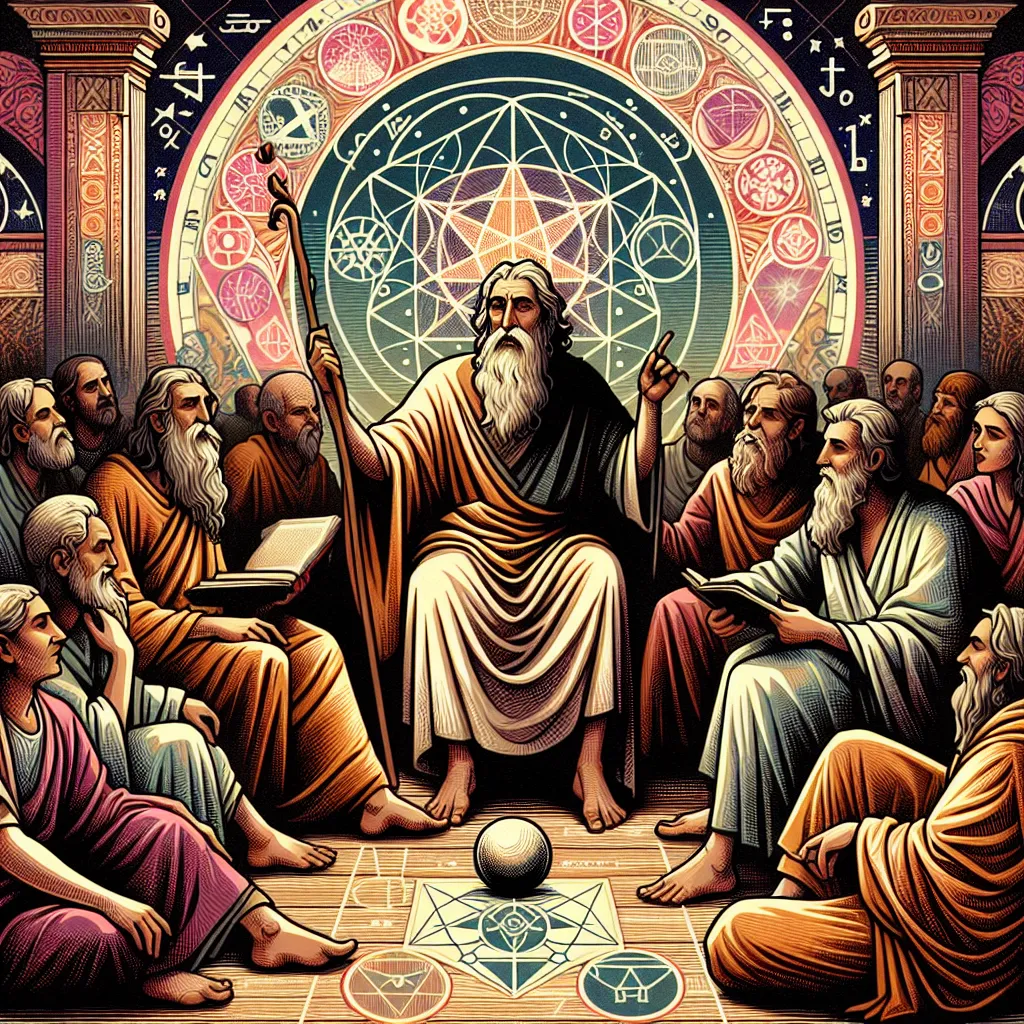
Ancient Greece wasn’t just a cradle of pure scientific thought; it was also a land brimming with mysticism and religious practices. Many of the same philosophers who pioneered logic and reason were equally invested in mystical experiences and spiritual practices. In their quest for truth, they often saw these mystical paths as even more profound than mere intellectual reasoning.
Socrates, Plato, and Aristotle weren’t just cold, calculating thinkers. They engaged deeply with concepts that we might now consider mystical or religious. Their philosophies weren’t strictly grounded in what we would today term “scientific method.” In fact, their broader approach included practices and beliefs that intertwined with religion and mysticism.
So, while it’s tempting to see ancient Greece solely as a birthplace of rationality, this view is far too simplistic. The blend of mystical and rational thought in their work shows a richer, more intricate historical legacy. Understanding this duality gives us a more complete picture of their contributions and the complexities of their search for truth.