Is Tunisia the Hidden Heartbeat of Sufi Mysticism?
Mystical Currents Beneath Tunisia's Sunlit Shores
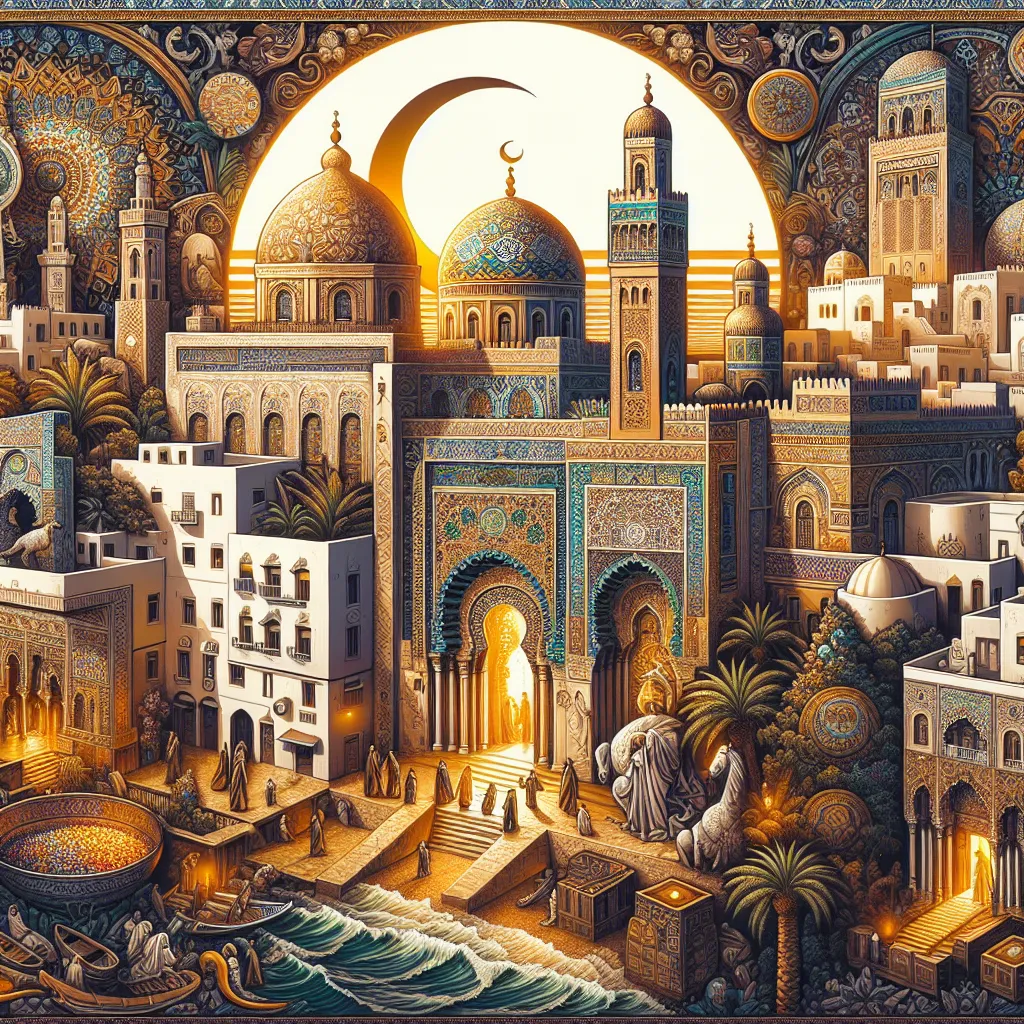
Tunisia is a gem in North Africa, celebrated for its stunning beaches, remarkable architecture, tantalizing cuisine, and abundant cultural experiences. Yet, many visitors overlook its deep-rooted mystical heritage, particularly Sufism.
Tunisia’s history is storied. It spans from its ancient days as the site of Carthage, a once-mighty city engaged in epic conflicts with Rome, to its significant role under Islamic empires. Kairouan, sometimes hailed as the fourth holiest city in Sunni Islam, and Tunis, the modern capital, have both been centers for great scholars and mystics.
Walking through Tunis, it might be hard to envision the mystical past woven with Sufi traditions. However, once you know where to look, these treasures are quite accessible. In the old city district, or Medina, stands the great Zitouna Mosque, dating back to 731 AD. This mosque, a cornerstone of social and religious life, has seen visits from legends like Ibn Arabi and Ibn Khaldun.
Just a short stroll from the Zitouna Mosque is the Zawiya of Sidi Mahrez, a significant site associated with Sufism. Sufi orders often gather in such places for communal prayers and rituals. Sidi Mahrez, a revered scholar and Wali (friend of God), is considered a patron saint of Tunis. His mausoleum is one of the most ornate, reflecting his great importance.
Sufism’s influence in Tunisia expanded further with celebrated figures like Ibn Arabi, who had transformative spiritual experiences in the country. One of his principal spiritual teachers, Abdul Aziz, resided here, indicating the profound spiritual legacy of Tunis.
Another spiritual haven is the town of Sidi Bou Said, known for its picturesque views and strong Sufi connections. Named after a 13th-century Sufi saint, Abu Said al-Baji, this town draws visitors with its beauty and mystical history. The zawiya, or Sufi lodge, dedicated to him, continues to be a pilgrimage site.
Abu Hassan al-Shadhili, another monumental Sufi figure, also left his mark in Tunis. He founded the Shadhili order and often retreated to a cave on a hill in Tunis, now home to the Zawiya Bel Hasan. This site remains a gathering place for Shadhili order members, who perform rituals and recitations to connect with the divine.
The city of Tunis also honors Aisha al-Manubia, a revered female mystic and student of Abu Hassan al-Shadhili. Known for her compassion and spiritual prowess, her mausoleum in Manouba stands as a beacon, especially for women who seek her blessings and engage in expressive Sufi practices.
Walking the bustling streets of Tunis, with its lively markets and vibrant atmosphere, it’s easy to miss the spiritual depths carved by centuries of Sufi tradition. The legacies of Tunisian mystics continue to shape the city, making it a living tapestry of divine love and spiritual fervor.
Tunisia is more than a destination; it’s a journey into the mystical undercurrents that have sculpted its history and continue to thrive beneath its modern facade.