Could the Baha'i Faith Be the Blueprint for Global Unity?
Uniting Humanity Through Spiritual Diversity and Inclusion
The Baha’i Faith, which kicked off in the mid-1800s in Iraq, was founded by a guy named Mirza Hosayn ‘Ali Nuri, better known as Baha’ Allah, meaning “Glory of God” in Arabic. This religion is all about unity—both of humanity and religions. They believe every major religious founder has been a manifestation of God, each one adding to the grand plan for educating humanity.
At the heart of the Baha’i beliefs, there is this idea of one God who’s pretty much beyond human comprehension. Baha’ Allah, along with his predecessor, the Báb, are seen as divine messengers. The Báb launched the Bábí faith in 1844, touting the arrival of a new prophet. Then, in 1863, Baha’ Allah claimed to be that prophet, which eventually led to his exile and imprisonment due to his beliefs.
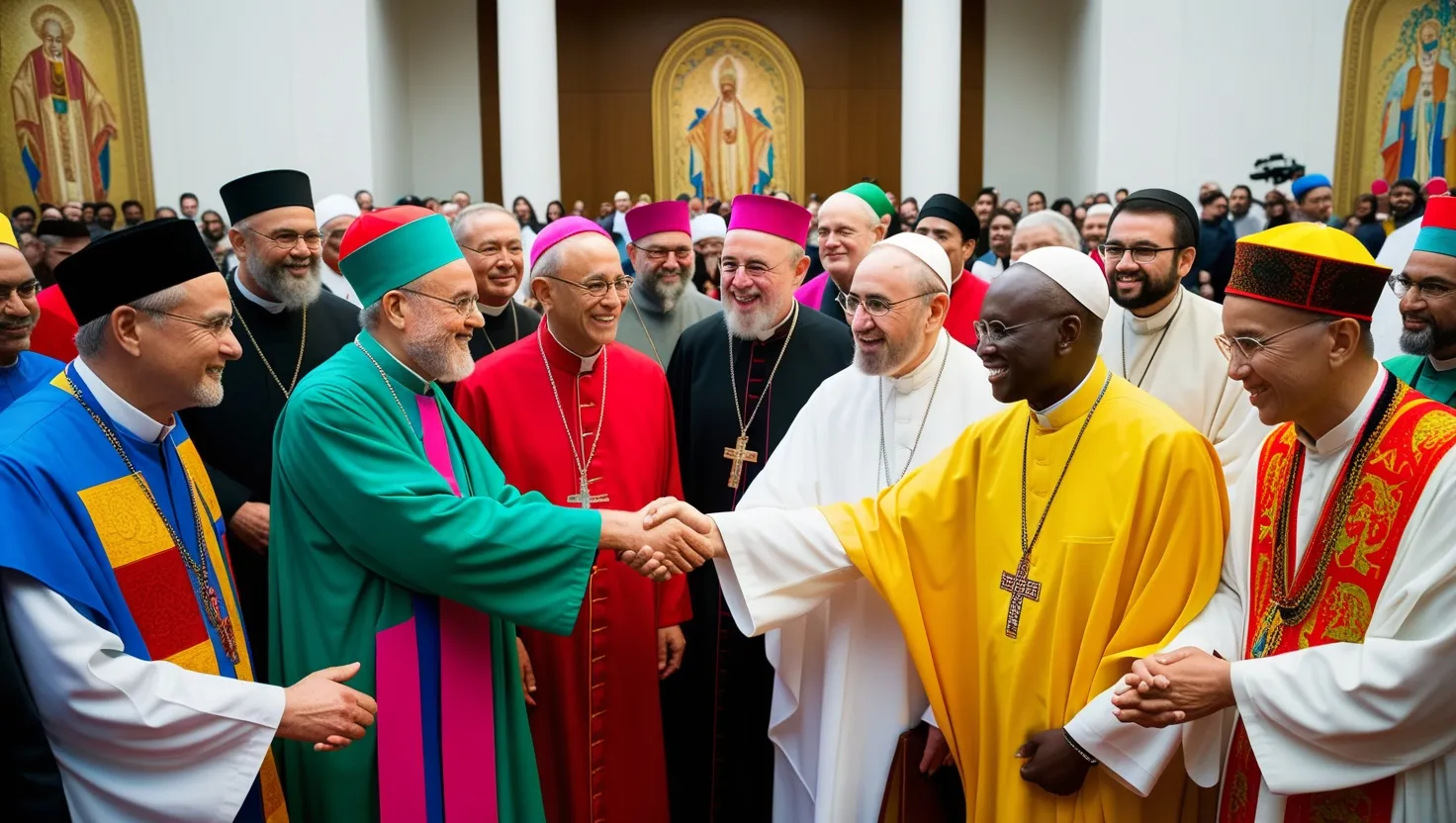
The Baha’i Faith stands on some solid principles. A biggie is the oneness of humanity—everyone’s equal, and no one should be judged based on race, class, or religion. They see the value in all religions, believing that despite seeming differences, every religion teaches the same core truth. This unity of religions is crucial for them, serving as a remedy for religious disunity and pushing towards a universal belief system.
Baha’is hold that every human being is inherently noble and that developing spiritual qualities is key. They mix worship with service, stressing the equality between men and women and the harmony between religion and science. Justice is a central theme, along with a high regard for education.
The Baha’i community doesn’t have a priesthood or ritualistic worship. Anyone who believes in Baha’ Allah and accepts his teachings can join. Baha’is pray daily, steer clear of narcotics and alcohol, practice monogamy, and need parental consent for marriage. Monthly, they gather for the Nineteen Day Feast, a time for prayer, scripture reading, and community discussions.
The Nineteen Day Feast is a cornerstone practice, fostering unity and brotherhood among local Baha’is. They also follow a unique calendar with 19 months of 19 days each, plus four extra days, starting from the first day of spring.
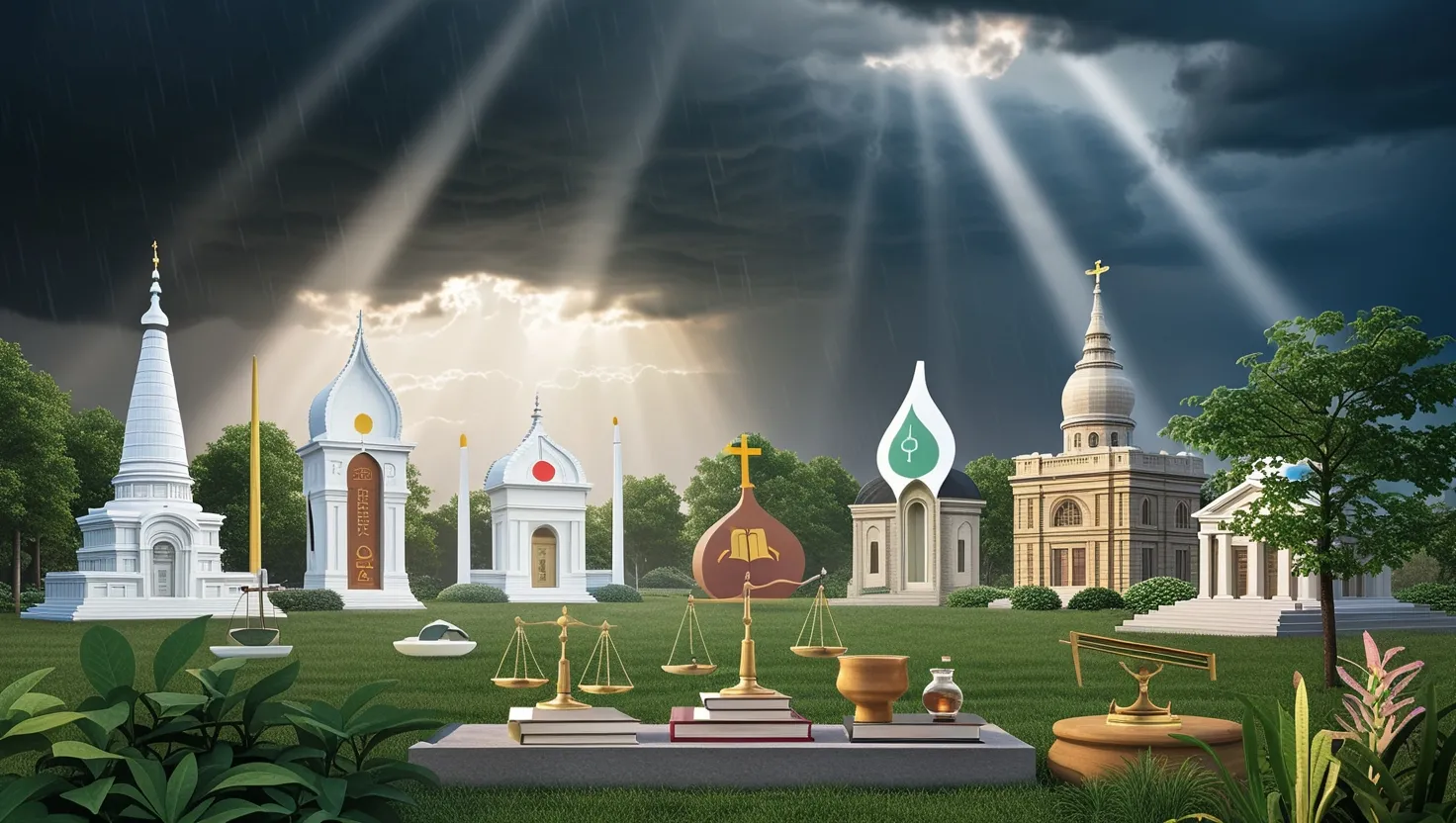
Baha’i temples are scattered around the world and are open to everyone, regardless of their faith. These temples read scriptures from various religions, without any sermons or preaching, reflecting their emphasis on unity and inclusivity.
Despite facing tough times, especially in Iran post-1979’s Islamic Revolution, the Baha’i Faith has seen rapid growth since the 1960s. By the early 21st century, they had over 180 national spiritual assemblies and thousands of local ones worldwide.
Leadership-wise, the Baha’i Faith is governed by elected spiritual assemblies at different levels—local, regional, and national. Every five years, they elect the nine-member Universal House of Justice, the top governing body of the world’s Baha’i community, based in Haifa, Israel.
In a nutshell, the Baha’i Faith is all about bringing people together through unity, equality, and progressive religious truths. Their unique beliefs and practices aim to build a global civilization grounded in justice, equality, and peace.