Did Ibn Arabi Discover the Ultimate Truth in Divine Mysticism?
Navigating the Reflective Mysticism of Ibn Arabi's Akbarian Teachings

In the world of Sufism and Islamic mysticism, few figures are as renowned and polarizing as Ibn Arabi, often dubbed as “The Greatest Master.” His influence looms large in Islamic thought, earning him titles ranging from the greatest saint to a dangerous heretic. His life and works continue to captivate, sparking debates and inspiring deep dives into his mystical doctrines.
Born in Andalusia, specifically in Murcia in eastern Spain, Ibn Arabi spent much of his early life in and around Seville, the capital of the Almohad Caliphate. It was there he embarked on the mystical path, guided by various teachers and experiencing intense visions. His travels would later take him across the Islamic world, from Mecca to Jerusalem, Baghdad, Konya, Cairo, and finally to Damascus, where he settled, wrote prolifically, and taught until his death in 1240.
Ibn Arabi’s school of thought, known as the Akbarian school (from his title “Akbar” or “The Greatest Master”), centers around the concept of the “Unity of Being.” While he never used the term himself, this doctrine posits that God is the single reality and that everything else is a reflection of God’s attributes. His prolific output includes a staggering array of works, from mystical poetry to extensive treatises and philosophical commentaries.
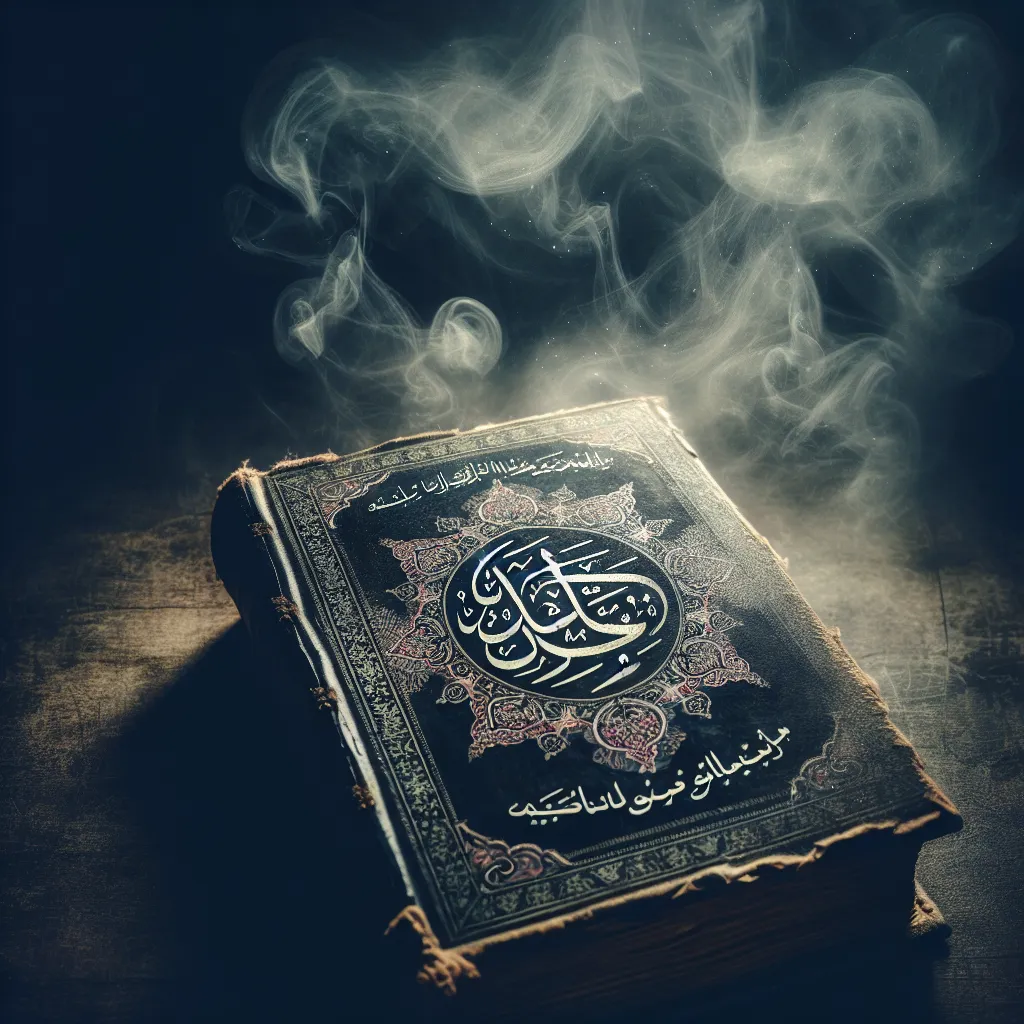
One of his most profound works is “The Meccan Revelations,” a vast compendium spanning over 10,000 pages, covering all aspects of Islamic religion. Another, perhaps more controversial and yet widely studied piece, is “The Ringstones of Wisdom.” This text delves deeply into the mystical and intellectual dimensions of Islam, presenting some of the most intricate expressions of Ibn Arabi’s thoughts.
During his life, Ibn Arabi experienced a vision of the Prophet Muhammad, who purportedly handed him the book “The Ringstones of Wisdom,” instructing him to share its teachings. This book, composed towards the end of his life, stands out not just for its content but also for the unique way it was introduced to his students. During its first public reading, only his closest disciple and stepson, Sadr al-Din al-Qunawi, was present, highlighting the text’s profound and challenging nature.
In “The Ringstones of Wisdom,” Ibn Arabi explores various prophets’ wisdom, linking each chapter to a specific prophetic figure and their associated divine wisdom. The chapters navigate through profound metaphysical and ontological concepts, often interpreted through the lives and stories of these prophets. His doctrines often emphasize the idea that every part of the universe reflects God’s attributes, making each element a mirror of the divine.
Ibn Arabi’s metaphors, such as the reflections in a mirror, illustrate the relationships between God, the cosmos, and human beings. In his view, the cosmos is a theater where God’s attributes manifest, and the human being, especially the “Perfect Man,” plays a central role in this divine scheme.
His writings also present radical ideas about Hell, asserting that the suffering of souls therein is temporary. This controversial view underscores his broader metaphysical perspective that God’s mercy ultimately triumphs over His wrath. For Ibn Arabi, the divine plan always returns to love and mercy, which are the core attributes of God.
Moreover, Ibn Arabi challenges the rigid adherence to any single belief, asserting that God transcends all specific religious confines while simultaneously embodying them. This idea leads to his concept known as the “Divinity of Beliefs,” encouraging a broader, more inclusive understanding of divine reality.
Despite the controversies and the obstacles posed by critics, Ibn Arabi’s works remain pivotal in the study of Islamic mysticism. His writings continue to be read, discussed, and revered for their profound insights into the nature of existence, the divine, and the human place within the cosmos.
Reading Ibn Arabi is never just a simple academic exercise. It’s a journey through the depths of mysticism, where the boundaries of reality blur, and the divine presence is felt in every reflection. His legacy, through works like “The Ringstones of Wisdom,” challenges and inspires, inviting readers into the ever-unfolding mystery of the divine.