How Do Different Religions Picture God? Explore the Varied Visions!
God’s Kaleidoscope: Diverse Divine Perceptions Across Global Faiths
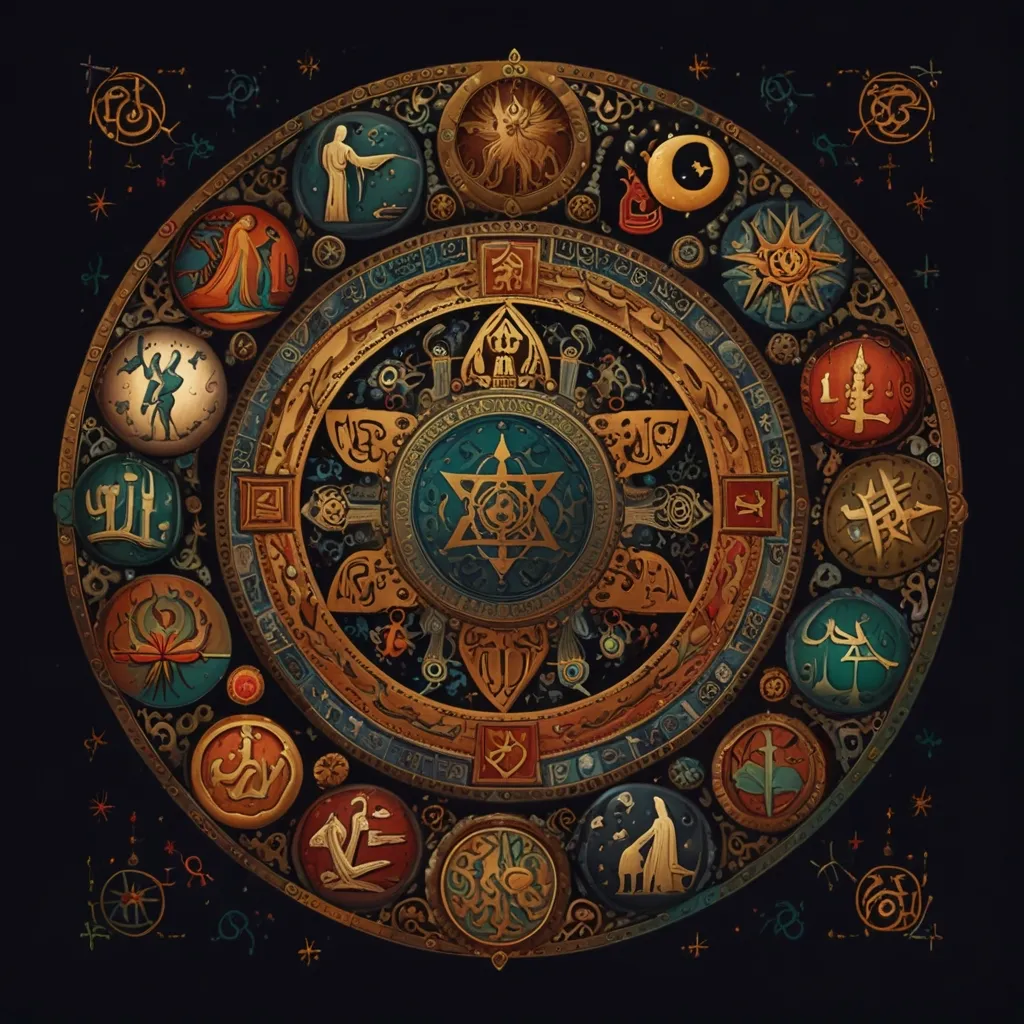
The idea of God is a pretty fascinating topic that has been at the heart of many religions for ages. Let’s take a chill, easy-to-read tour through how different faiths see and describe God.
Starting with Christianity, where God is like the ultimate loving parent. Christians believe God created everything and everyone. They talk about the Holy Trinity, which is God in three parts: God the Father, Jesus Christ the Son, and the Holy Spirit. Jesus is kind of the star here, and his life and teachings are thought to show God’s deep love for humanity.
Then there’s Islam, which teaches that God, called Allah, is this super powerful and all-knowing being. Muslims see Allah as the same God that Jews and Christians worship but believe that the teachings of Islam, as told in the Quran, are like the final word on God’s will. The Quran is viewed as God’s direct message, revealed to the Prophet Muhammad.
Hinduism spices things up with a more complex view. Hindus worship a supreme being called Brahman, considered the root of all existence. Brahman appears in many forms like Vishnu, Shiva, and the goddess Durga. Each deity is seen as part of the ultimate reality.
Buddhism takes a unique route. It skips a central deity altogether but still nods to a higher power or ultimate truth. Buddhists focus on karma and rebirth, aiming for enlightenment to break free from the cycle of suffering. It’s more about natural laws than a godly figure.
Judaism, the oldest of the Abrahamic religions, also believes in a single mighty God. This God created everything and runs the universe based on a strict moral code. The Torah, their holy book, is packed with teachings and laws God shared with the Jewish people through prophets.
Sikhism, which started in the 15th century, follows a similar single-God belief. Sikhs call their God Waheguru, who is beyond human understanding. Spiritual liberation in Sikhism comes from devotion and helping others.
In many indigenous religions, God is often intertwined with nature. Native American traditions, for instance, see God as a spirit present in all living things and the land itself. These beliefs stress the importance of living in harmony with nature.
Zoroastrianism, one of the oldest monotheistic beliefs, talks about a single God named Ahura Mazda. This God is all about goodness and is in a constant battle against evil forces.
Jainism is another old faith from India, and it doesn’t really have a creator God. Instead, Jains believe the universe runs on natural laws. Their main goal is to escape the cycle of rebirth through non-violence and discipline.
Confucianism skips the God talk and focuses on ethical living. They believe in principles that guide behavior, aiming for a harmonious society through virtues like benevolence and righteousness.
Daoism is a bit mystical, viewing the ultimate reality as the Dao, a natural principle governing the universe. Daoists believe in living in balance with the Dao to achieve peace and harmony.
So, the concept of God varies a lot across these religions, from a loving father figure and powerful deity to natural principles and ethical guidelines. These beliefs shape how billions of people see the world and their place in it.