High blood pressure, also known as hypertension, is something a ton of people deal with. We’re talking over a billion folks globally! If your systolic blood pressure is hitting 130 mm Hg or more, or your diastolic is over 80 mm Hg, it’s time to pay attention. Aside from popping pills, tweaking your lifestyle and what you eat can make a huge difference.
One killer way to keep that BP in check is the DASH diet. DASH stands for Dietary Approaches to Stop Hypertension. Basically, it’s all about eating balanced meals loaded with fruits, veggies, whole grains, lean meats, and low-fat dairy. It hones in on foods packed with potassium, calcium, and magnesium—nutrients your heart loves.
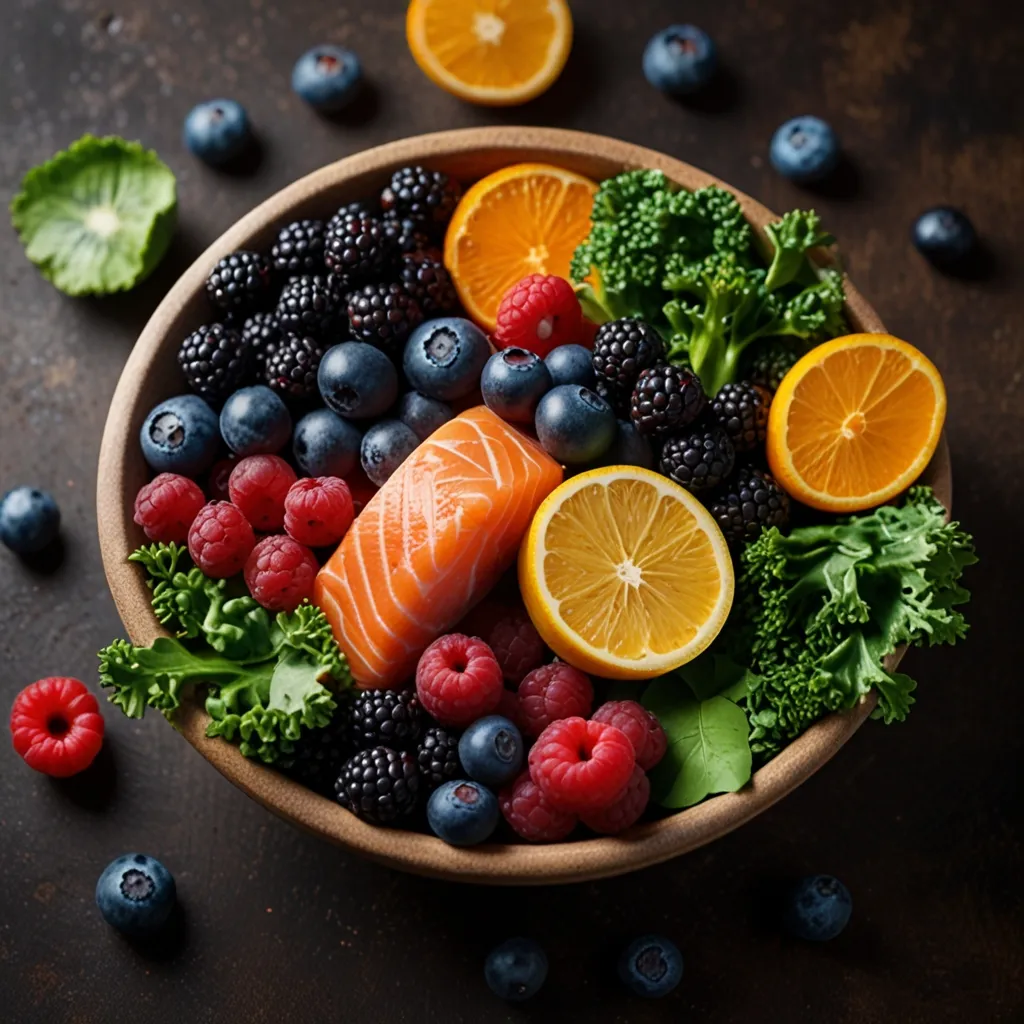
Take citrus fruits, for instance. Oranges, lemons, and grapefruits are not just tasty but overflowing with vitamins, minerals, and good-for-your-heart compounds.
Legumes are another superstar in the DASH diet. Think beans, lentils, and peas. These bad boys are crammed with magnesium and potassium, which are ace for blood pressure. Plus, they pack a solid punch of protein and fiber—winning!
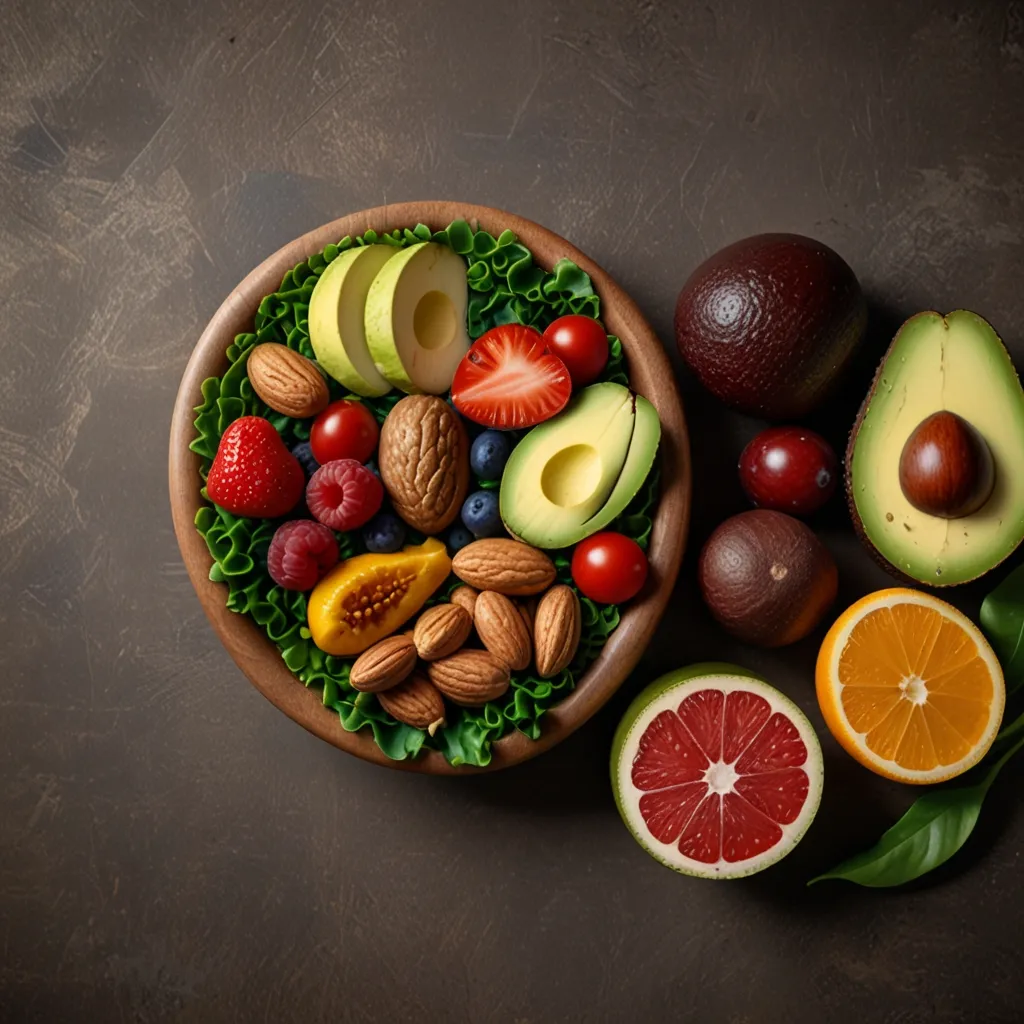
Nuts and seeds also make the cut. They’ve got healthy fats but watch that sodium. Go unsalted and you’re golden. Snack on them, toss them in salads, or get creative and make pestos.
And don’t forget oily fish like sardines, mackerel, and albacore tuna, thanks to their omega-3 fatty acids. Your heart will thank you. Just make sure you’re not overdoing it on the mercury.
Whole grains like cracked wheat, millets, oats, and hearty greens like kale, broccoli, and spinach are staples too. These foods not only keep your gut happy but are full of necessary nutrients.
Good fats? Think olive oil, avocados, and omega-3-rich fish. But steer clear of bad fats like margarine and partially hydrogenated oils—they’re no friend to your arteries.
Of course, the DASH diet says to watch your sodium, sugar, and saturated fat intake. Processed foods, fatty meats, and full-fat dairy can be killers. And yeah, go easy on the alcohol.
In a nutshell, if you want to keep high blood pressure at bay, chow down on a balanced mix of fruits, veggies, whole grains, lean proteins, and low-fat dairy. It’s all about nourishing your body with nutrient-rich eats. And hey, if you’re planning big changes, always check in with your healthcare provider first.