Are Superfoods Really the Rockstars of a Healthy Diet?
Eating the Rainbow: Beyond the Hype of Superfoods
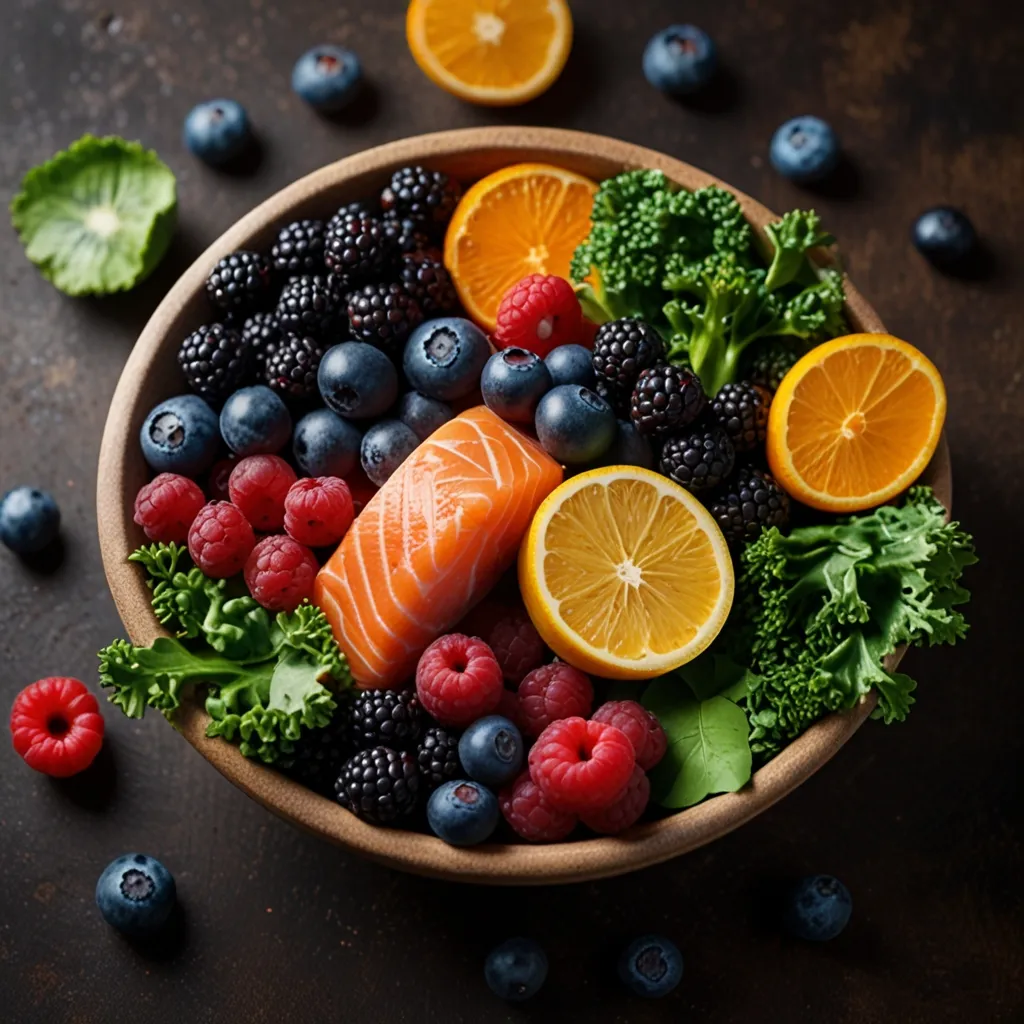
Superfoods are the rockstars of the food world, known for being jam-packed with nutrients, vitamins, minerals, and antioxidants. Although the term “superfood” isn’t officially recognized by scientists, it’s a buzzword that’s all about celebrating foods loaded with health perks. Think blueberries, kale, salmon, and acai berries. These foods are often highlighted because they help reduce oxidative stress and can even prevent diseases.
Oxidative stress is caused by too many free radicals running wild in your body, potentially leading to various illnesses. Foods like salmon are great because they contain healthy fats that can keep your heart in check. Then there’s kale, a high-fiber champion that supports good digestion and can help with weight loss by making you feel fuller longer.
Sure, the idea of superfoods sounds appealing, but it’s key to remember that no single food holds all the answers. A balanced diet filled with different nutritious options is where it’s at. Labeling foods as “super” might make folks think they can eat them endlessly, but even the healthiest foods can lead to weight gain if overdone.
For overall wellness, mix up your diet with a variety of fruits, veggies, whole grains, and healthy animal products. This diverse approach is proven to be good for blood pressure and your general health. While superfoods can be a fantastic start, don’t forget about other nutrient-packed choices.
Budget-friendly options like canned peas and carrots are also nutritious and accessible for many. Whole grains are a solid choice too, but watch out for overly processed ones. For example, instant whole-grain oats might seem healthy but can raise blood sugar levels just like white bread, causing insulin resistance, obesity, and diabetes.
The superfood label has been around since the 90s, mainly used for foods with standout nutritional benefits. Despite its marketing roots, these nutrient-dense foods can indeed help prevent diseases. Categories of superfoods usually include dark leafy greens, berries, legumes, nuts, seeds, and cruciferous veggies like broccoli and cauliflower.
Common superfoods include kale, spinach, salmon, blueberries, avocados, chia seeds, walnuts, beans, fermented milks, and garlic. These goodies are rich in vitamins, minerals, fiber, and antioxidants. However, don’t just stick to these alone. Aim for a colorful array of plant foods to balance out your diet.
The idea of “eating the rainbow” encourages consuming a variety of fruits and veggies in different colors to pack in a range of nutrients. This method covers all bases for your health.
In short, while “superfood” might just be a catchy marketing term, the foods categorized under it are genuinely nutrient-rich and beneficial. The trick is to enjoy a variety of nutritious foods in moderation and not bet all your health hopes on one “super” option.