5 Ottoman Empire Wellness Traditions That Transform Modern Self-Care and Social Connection
Discover how Ottoman Empire wellness traditions can transform your modern self-care routine. Learn ancient practices for bathing rituals, mindful coffee ceremonies, and creating peaceful retreat spaces at home.
As I reflect on the Ottoman Empire’s remarkable legacy, I am drawn to the intricate ways their traditions can enrich our modern lives. The Ottomans crafted a lifestyle that effortlessly blended wellness, community, and artistry into everyday routines. Let’s explore how some of these practices can help us cultivate self-care and strengthen social bonds in our own lives.
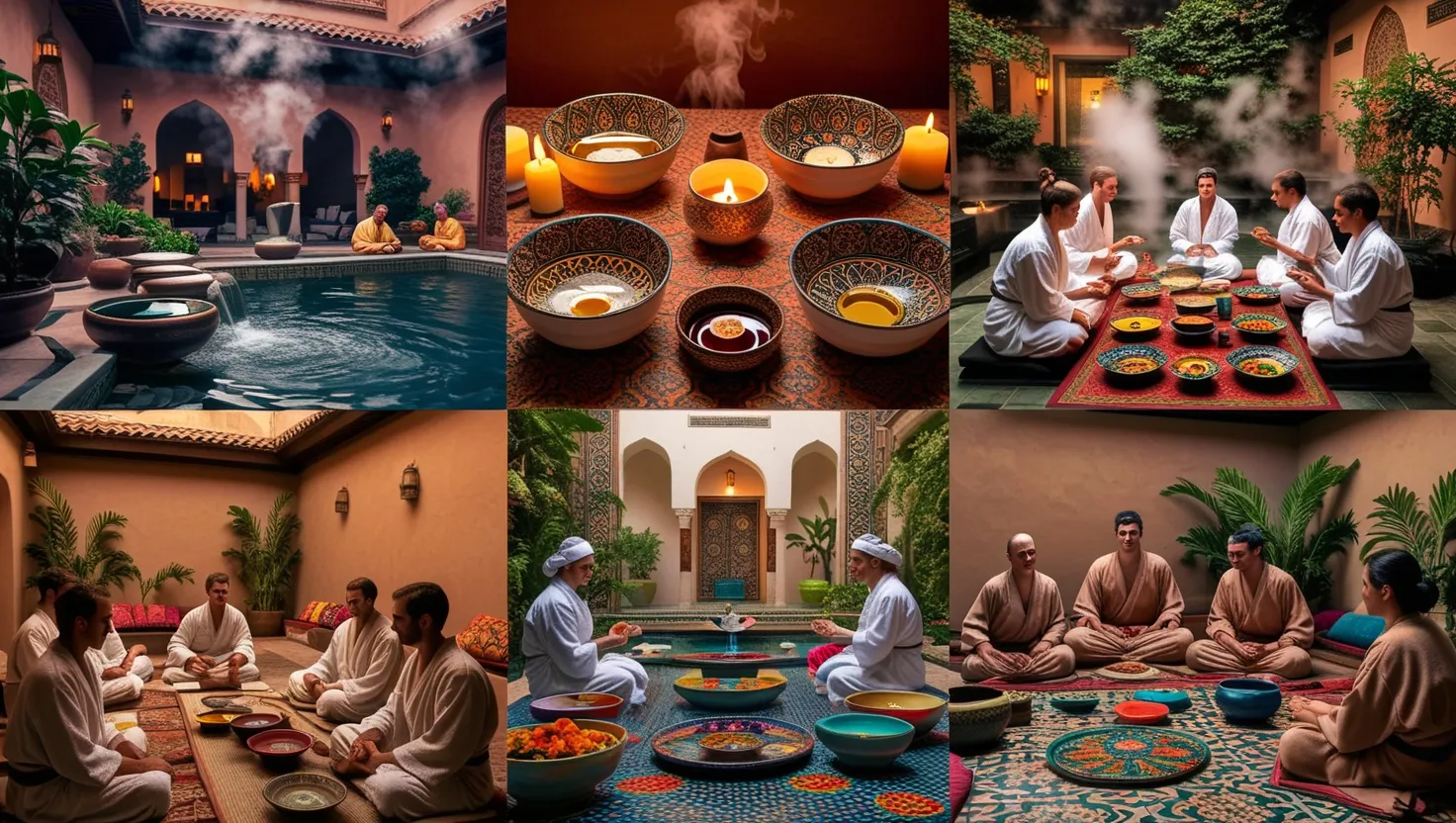
Creating a bathing ritual, for instance, can transform an ordinary shower into a therapeutic experience. Ottoman hammams were renowned for their sensory approach to cleansing, combining warmth, gentle exfoliation, and natural oils to nourish both body and mind. Imagine starting your day with a warm shower, followed by gentle exfoliation, and finishing with a refreshing cool rinse. Afterward, moisturizing with natural oils seals in hydration and leaves your skin feeling rejuvenated. This mindful approach turns a mundane routine into a restorative self-care practice.
As the great poet Rumi once said, “The wound is the place where the light enters you.” How often do we take the time to acknowledge and heal our inner wounds through simple acts like bathing?
Let’s consider another practice that fosters meaningful connections: the art of coffee presence. Ottoman coffee ceremonies were not just about brewing coffee; they were about the deliberate preparation, the aroma, the taste, and the conversations that flowed alongside. Imagine brewing your coffee or tea with intention, serving it in special cups, and sharing it with others without distractions. This practice encourages genuine connection by focusing on the sensory experience of the drink and the company you keep.
In today’s fast-paced world, how can we apply this principle of presence to our daily interactions? What would happen if we dedicated a few minutes each day to truly engaging with others over a cup of coffee?
Ottoman courtyards provided tranquil escapes from the bustling streets, offering a serene space for quiet reflection. Creating a personal retreat space in your home can have a similar effect. Even a small corner with comfortable seating, plants, and the soothing sound of water can be a haven. Use this space for brief meditation, reading, or simply taking a moment to collect your thoughts. It’s astonishing how a few minutes of calm can transform your entire day.
What elements would you include in your retreat space to make it a true sanctuary?
Engaging with handcrafted beauty is another practice that can enrich your life. The Ottomans valued intricate ceramics, textiles, and calligraphy, often dedicating hours to perfecting these crafts. By dedicating weekly time to a creative activity like pottery, weaving, or drawing, you can cultivate patience and mental clarity. The focus is not on the final product but on the process itself, allowing you to escape into a world of creativity and calm.
As the Japanese proverb goes, “Fall down seven times, stand up eight.” How can embracing imperfection in our creative pursuits lead to greater personal growth?
Prioritizing shared nourishment is another valuable practice. Ottoman meals often featured communal platters, encouraging conversation and slower eating. Serving family-style meals can strengthen relationships by creating shared experiences around food. Preparing simple dishes like lentil soups or grain salads with fresh herbs can become a ritual that brings people together.
How might you incorporate more communal meals into your life to foster deeper connections with family and friends?
These Ottoman-inspired habits offer a unique approach to modern self-care and connection. By incorporating them into our daily routines, we can cultivate greater personal well-being and deeper social bonds. As we explore these practices, we are reminded that true richness lies not in grand gestures but in the small, intentional moments we share with others and with ourselves.
Incorporating these practices into our lives prompts us to ask: What role does community play in our well-being? How can we use shared experiences to enrich our personal lives? As we move forward, considering the wisdom of past cultures can guide us toward a more balanced and fulfilling existence.
As the wise poet Rumi once said, “Raise your words, not your voice. It is rain that grows flowers, not thunder.” How can we apply this lesson to our interactions with others, fostering a sense of calm and genuine connection in our daily lives?