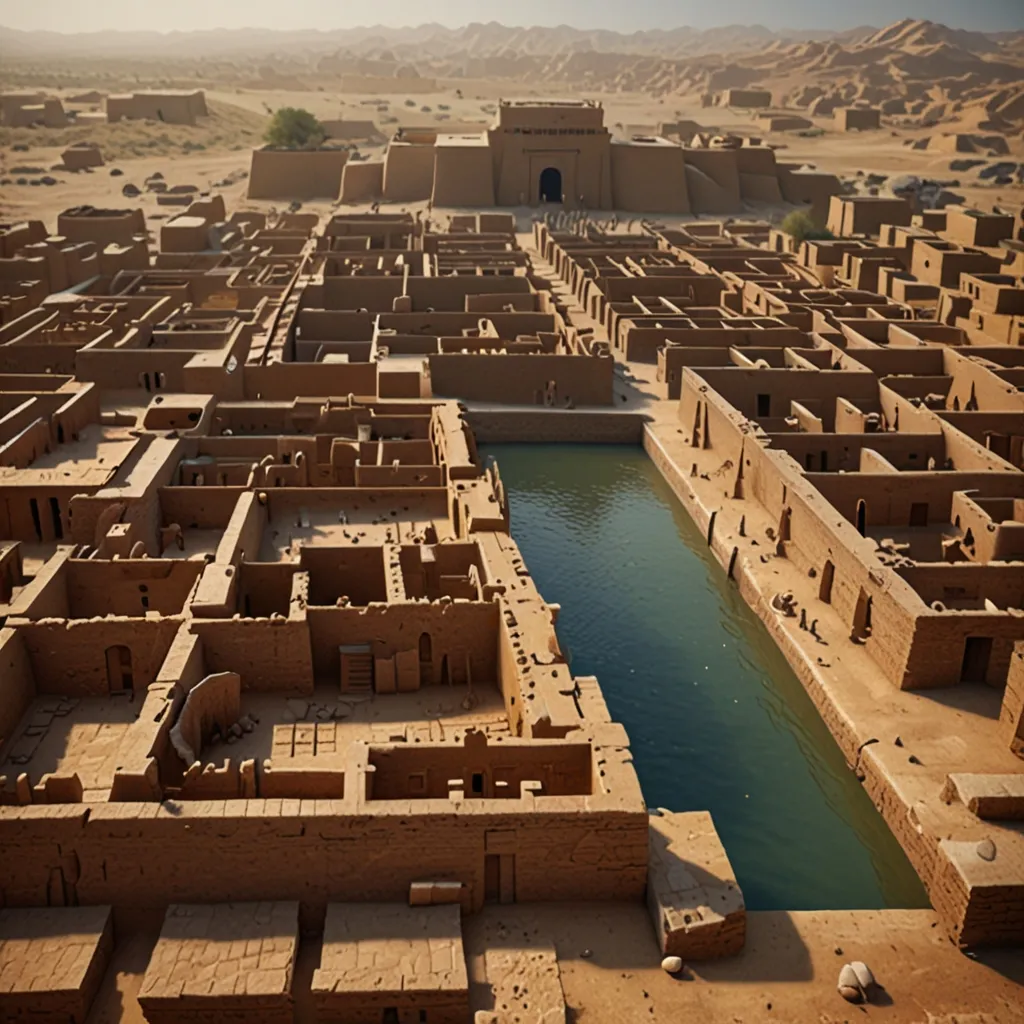
The Indus Valley Civilization is one of the oldest and coolest civilizations ever. It existed around 4,300 years ago in present-day Pakistan and northwestern India. These folks were ahead of their time with incredible urban planning, advanced infrastructure, and complex governance systems.
Urban Planning and Infrastructure
This civilization had over 1,000 cities and settlements like Harappa, Mohenjo-daro, Dholavira, and Rakhigarhi. These cities were super organized, featuring impressive wastewater systems, trash collection, and maybe even granaries and public baths. Everything from their seals to bricks was standardized, hinting at a strong governing authority.
One standout feature was their urban planning. Streets were in a grid pattern, houses had courtyards for privacy, and sewer systems were top-notch, even by today’s standards. Their systems were so advanced that some regions of modern Pakistan and India fall short in comparison.
Architecture and Public Works
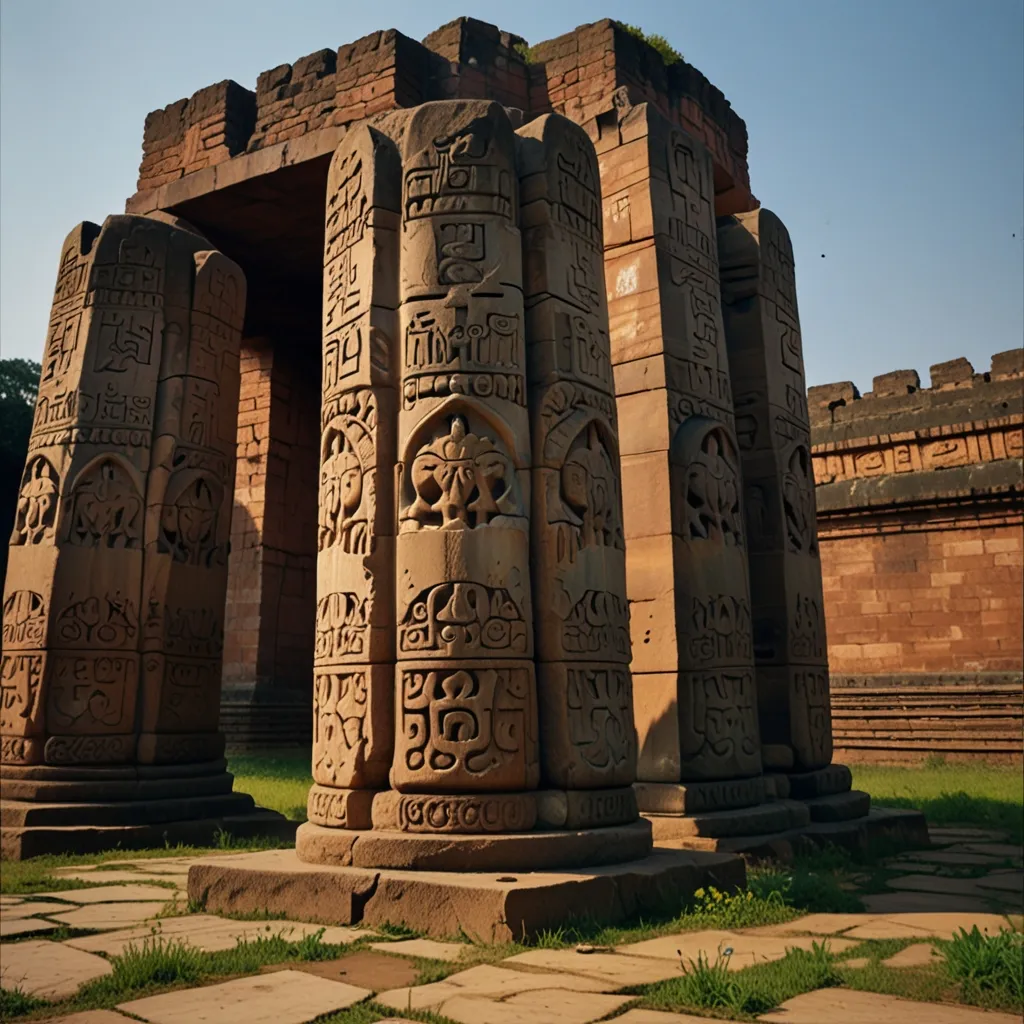
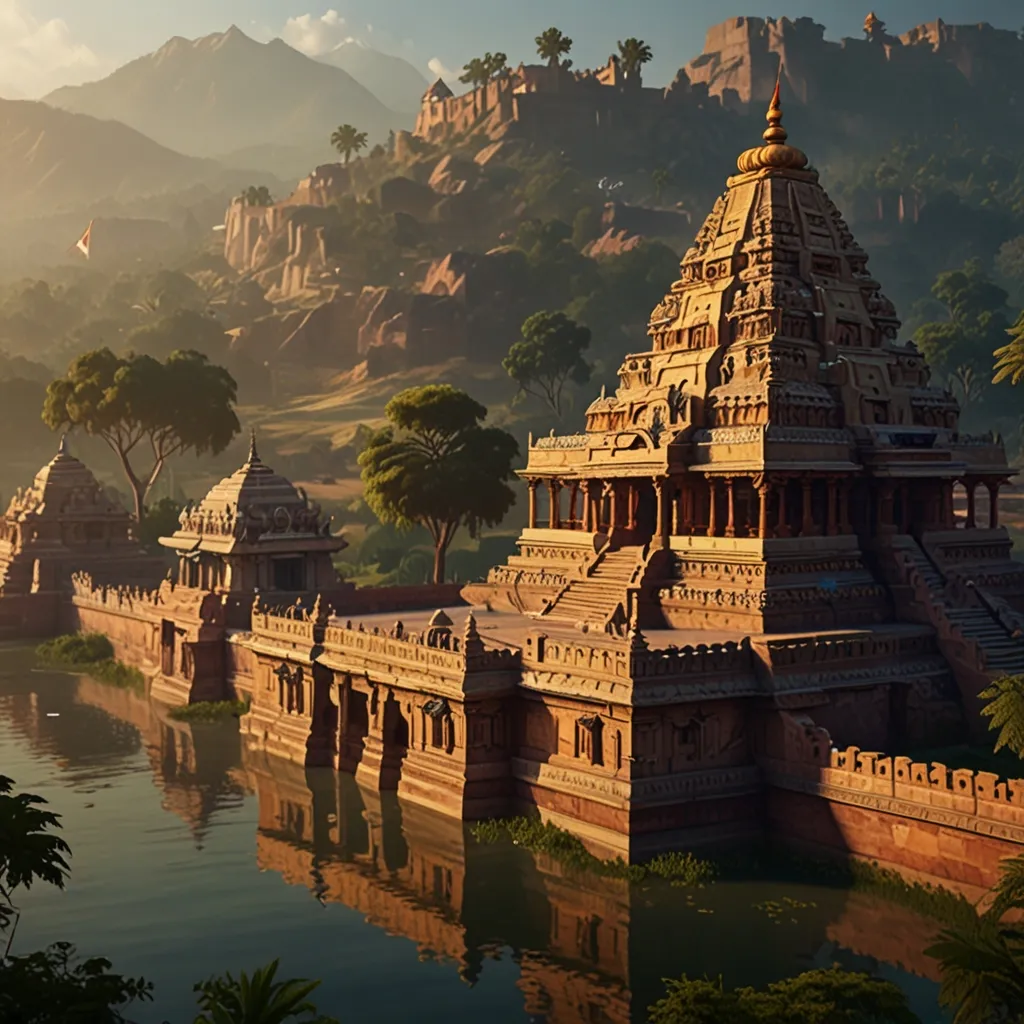
Their architecture was nothing short of impressive. Think massive walls for flood protection and conflict deterrence, dockyards, granaries, warehouses, and brick platforms. The “Great Bath” at Mohenjo-daro, possibly a public bath, is one of their most famous structures.
Interestingly, there’s no evidence of palaces or temples. They focused more on practical structures for the community. Citadels in the cities were heavily fortified, but historians aren’t sure if they were mainly for defense.
Economy and Trade
The Indus Valley Civilization was an economic powerhouse. Skilled artisans and merchants filled the cities, which were organized into neighborhoods based on occupations. They used materials from far-off places to make seals, beads, and other objects. Their beautiful glazed faïence beads and steatite seals adorned with animal and human images were common sights.
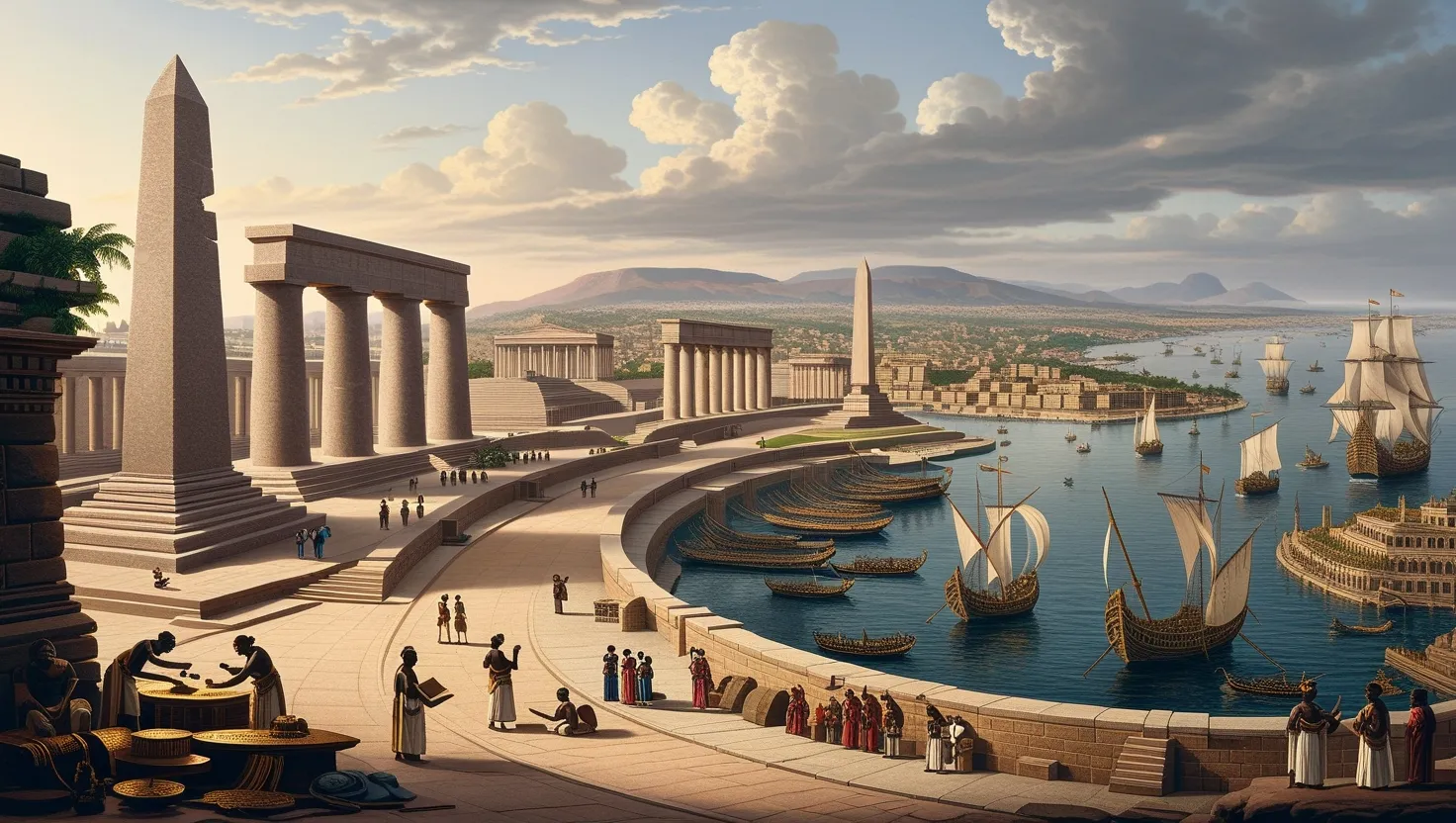
They also had a vast trade network stretching from Central Asia to modern-day Iraq and beyond. This network allowed them to import raw materials and export finished goods. Evidence shows they had trade relations with Mesopotamia and even established “colonies” there and in Badakhshan.
Society and Culture
The society was highly organized and possibly had social classes. Craft specialization and localized craft groupings were the norm, and trade was well-regulated. The consistency of weights and measures across the region suggests strong political and administrative control.
Despite their advanced systems, there’s no clear evidence of a ruler or governing body. The closest thing is a terracotta sculpture that might be a priest-king. There’s also no evidence of warfare, indicating they were peace-loving and had good trade relations with neighbors.
Decline and Legacy
The decline of this civilization is still a mystery. The cities were often destroyed by floods but were rebuilt each time using the same grid pattern, showcasing their advanced knowledge and skills.
Their legacy is long-lasting. The Indus Valley’s advanced urban planning and infrastructure set high standards for future civilizations. Their ruins provide valuable insights into early urban living, technology, economy, and culture.
In sum, the Indus Valley Civilization was a groundbreaking achievement in human history. With their top-tier urban planning, sophisticated infrastructure, and bustling economy, their influence continues to teach us about ancient civilizations and their impact on the modern world.