Did Stone Pillars Change India's Heart Through Ashoka's Transformation?
Monolithic Monuments of Peace: Ashoka's Pillars and Their Timeless Lessons
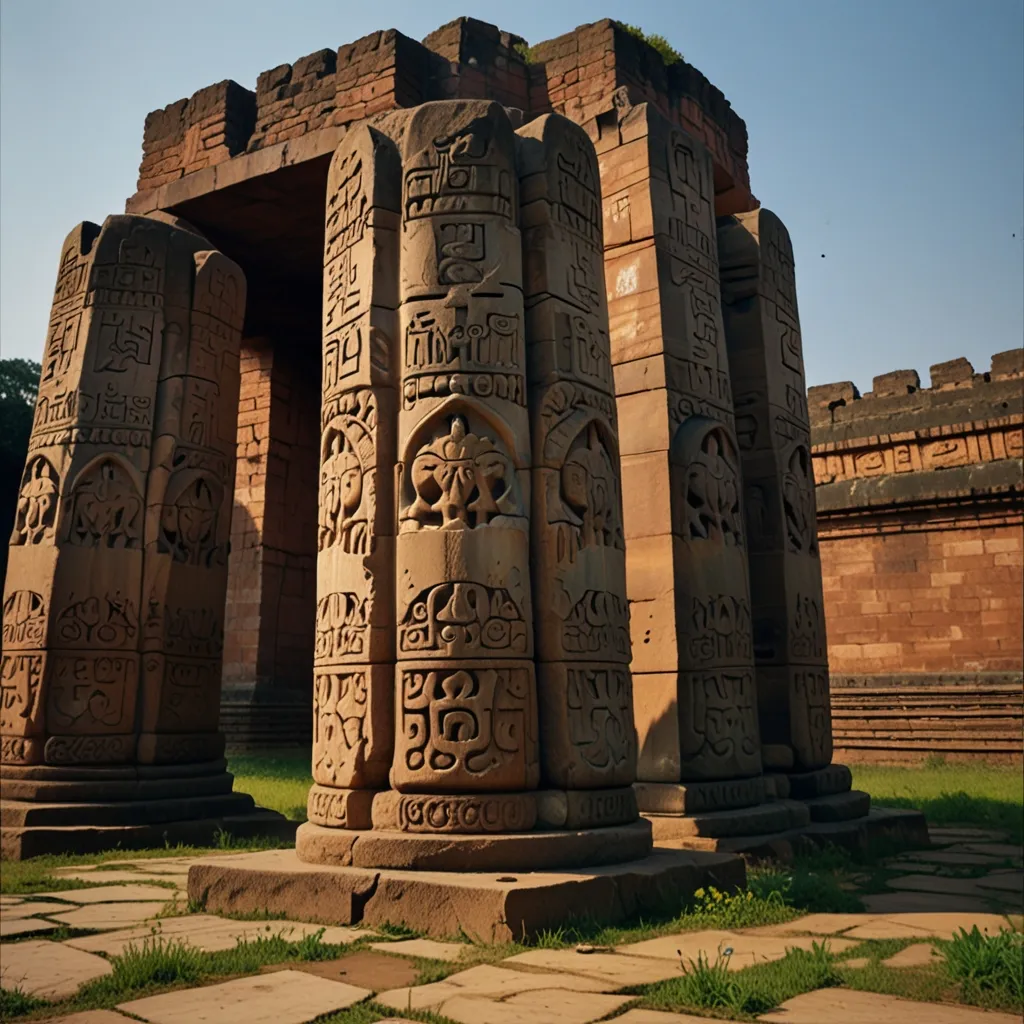
The Ashoka Pillars are these incredible monolithic structures put up by Emperor Ashoka, one of the significant rulers of the Mauryan dynasty in India. More than just towering stone columns, they’re rich with history and religious meaning. Let’s break down the cool history and significance they hold.
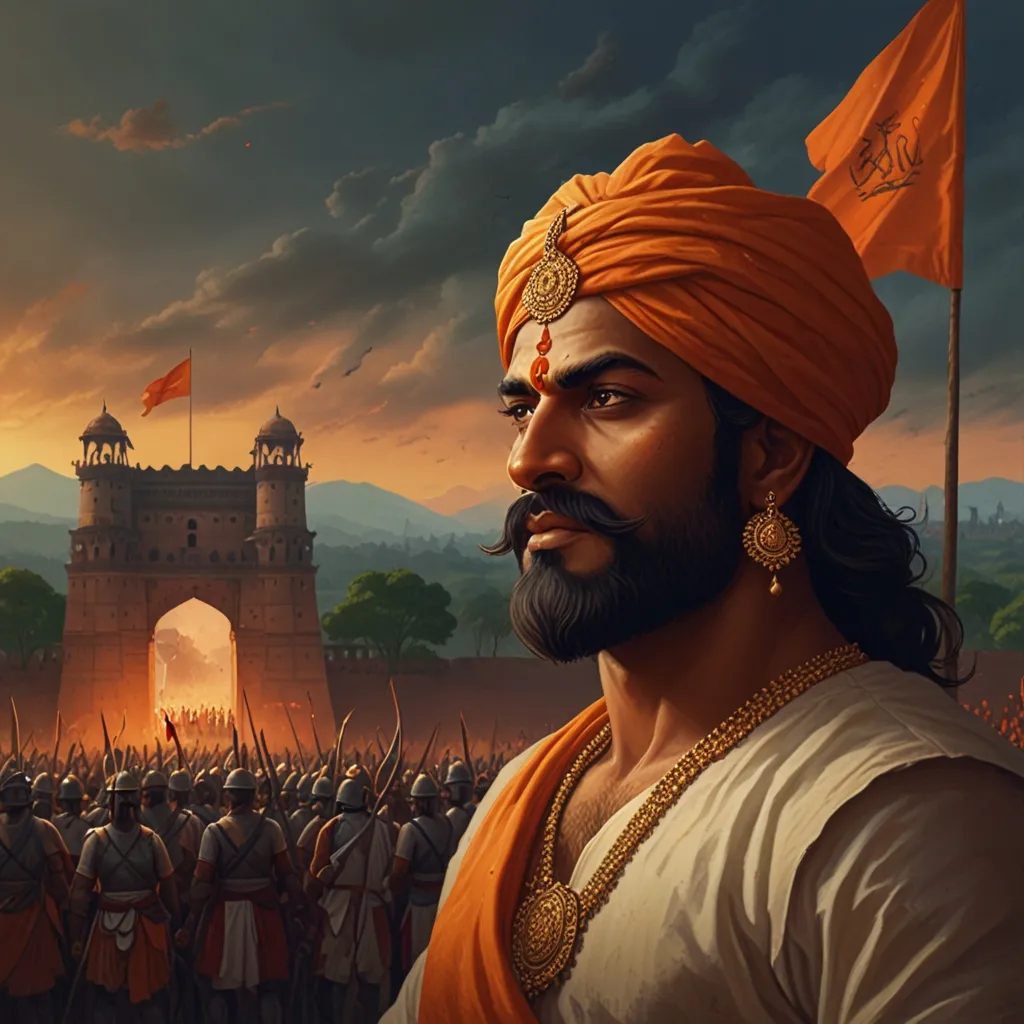
Ashoka ruled back in the 3rd century BCE and had quite the dramatic life shift. Known initially for his bloody conquests, particularly the Kalinga War that was downright brutal, Ashoka had a massive change of heart. This war shook him so much he turned to Buddhism, diving into nonviolence and spreading good vibes through his kingdom using these pillars.
These pillars aren’t small by any means. They range between 40 to 50 feet tall, each carved from a single piece of stone and weighing about 50 tons. Sourced from quarries in Mathura and Chunar, they’re a testament to the engineering skills of that era. Today, only 19 of these pillars are still around, often found in pieces.
On top of the pillars, beautiful animal sculptures, mostly lions or bulls, sit proudly along with an inverted lotus flower. The lotus is a big deal in Buddhism, symbolizing the journey from suffering to enlightenment. The animals, especially lions, highlight royalty and leadership. These symbols are all about Ashoka’s newfound Buddhist beliefs and his mission to spread its teachings.
Many pillars feature inscriptions known as edicts, which were cracked open in the 19th century. These inscriptions are among the earliest records of Indian history, written in local dialects so everyone could understand them. They showcase Ashoka’s dedication to nonviolence, tolerance, and public welfare. One notable edict, Edict #6, talks about his wish for the happiness and well-being of all people, no matter their faith.
Strategically placed near borders and trade routes, these pillars ensured Ashoka’s messages got out far and wide. They were also put up at religious sites, making his teachings even more reachable. This placement helped unify his massive empire around shared values of kindness and care.
Over the years, many pillars got lost due to natural wear or outright destruction. The first rediscovery happened in the 16th century by traveler Thomas Coryat. Later, scholars such as James Prinsep decoded the inscriptions, uncovering that King Piyadasi was actually Ashoka. Nowadays, these pillars are preserved in museums and protected locations, with the one at Sarnath becoming India’s national emblem.
Ashoka’s journey from a ruthless conqueror to a compassionate leader showcases the incredible power of transformation. By embracing Buddhism and using the pillars to spread its principles, he left a lasting mark on Indian history and culture. These pillars remain testaments to his legacy, promoting the values of tolerance, nonviolence, and welfare.
In a nutshell, the Ashoka Pillars aren’t just ancient stone structures; they carry a deep message of peace and compassion. Representing the axis mundi or the world’s central axis, they mark the first physical proof of Buddhism. Ashoka’s story is a powerful reminder of how even the hardest hearts can turn towards harmony and justice.