Did Shivaji's Marathas Truly Change the Course of Indian History?
Warrior Farmers Turned Empire Builders - The Maratha Saga of Strength and Strategy
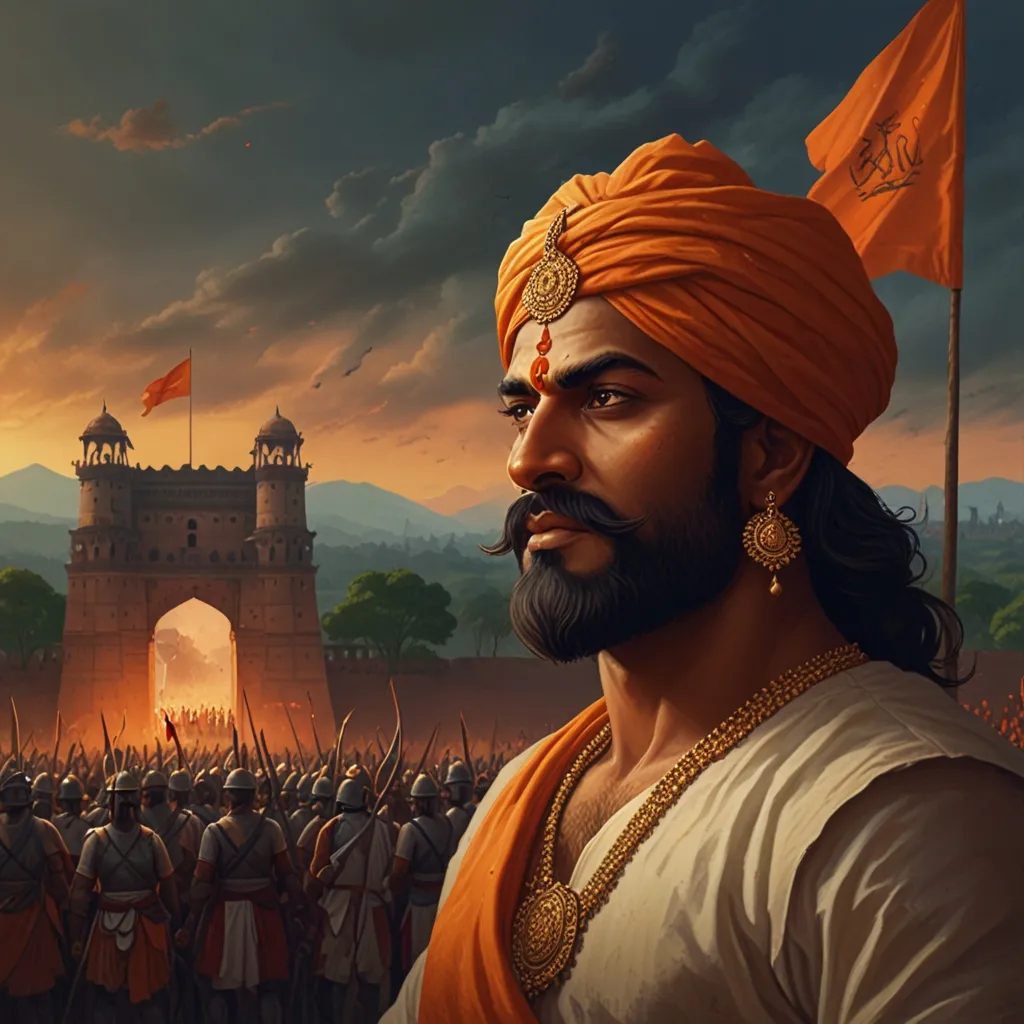
The Marathas were a major player in Indian history, famous for their military strength and smart politics. Coming from the western Deccan region, they became powerful during the rule of the sultans of Bijapur and Ahmadnagar. Initially, they were peasant warriors, but under Shivaji’s leadership, they turned into a formidable force.
Shivaji, born in 1630, was the son of Shahaji Bhosale, a Maratha general serving the Deccan sultanates. Shivaji aimed for Hindavi Swarajya, meaning self-rule of the Hindu people. He started his mission by capturing forts in the Deccan and eventually established a secure kingdom with Raigad as the capital. His army was swift and mostly consisted of peasant pastoralists.
In 1674, Shivaji was crowned Chhatrapati, officially starting the Maratha empire. Through numerous military campaigns, he expanded his territory against the Deccan sultanates and the Mughal Empire. Shivaji’s strategies, like guerrilla warfare, proved highly effective, helping the Marathas stay independent despite facing powerful enemies.
After Shivaji’s death in 1680, his son Sambhaji took over, but he had a tough time with the Mughal Empire. He was captured and executed by Mughal emperor Aurangzeb in 1689, leading to a civil war within the Maratha empire. Eventually, Sambhaji’s half-brother Rajaram ascended to the throne.
The Maratha empire peaked in the 18th century, stretching from Punjab to Hyderabad and from Kutch to Oudh. The Marathas managed many tributaries who paid regular taxes known as Chauth. They even collected Chauth from places like Delhi, Bengal, Bihar, Odisha, and Rajputana.
Known for their efficient administration, the Marathas boosted agriculture and trade. They also developed a strong navy under Kanhoji Angre and built forts along India’s western coast. The Maratha army, initially a national force, later became a mix of different groups, including Arabs, Sikhs, Rajputs, Europeans, and more.
The Marathas were key in resisting the Mughal Empire and later the British East India Company. They fought several wars with the British but were eventually defeated in 1818. This led to the exile of Peshwa Bajirao II and the Maratha territory falling under British rule.
The Marathas’ legacy is significant. Known for their religious tolerance and pluralism, they made lasting changes in Indian politics and history. Their fight for independence is celebrated as a heroic chapter in Indian nationalism. The Maratha empire’s focus on technical advancement and military innovation greatly influenced future Indian military strategies.
In the story of Indian independence, the Marathas are often celebrated as heroes who fought Mughal tyranny and British colonialism. Their resistance and military strategies have been revered and studied for centuries. The Maratha empire’s impact on Indian history is undeniable, and their legacy continues to inspire modern India.