Are Regional Parties the New Power Players in Indian Politics?
From Local Voices to National Echoes: The Ascendancy of Regional Parties in India
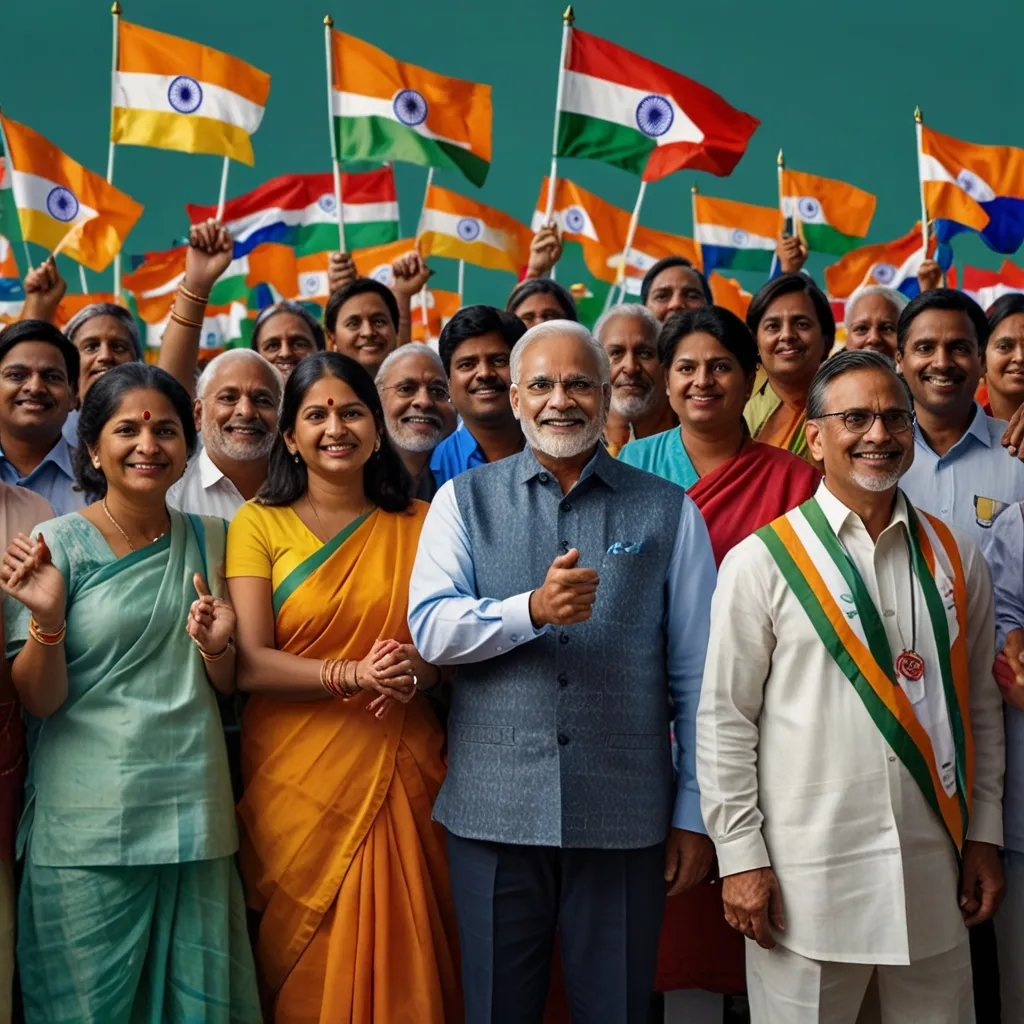
Indian politics has seen a big shake-up thanks to regional parties. These parties zoom in on local issues and have managed to make a huge impact. They’re not just about local stuff anymore; they’ve got a say in national politics too.
Take one of the OGs, the Shiromani Akali Dal, born in 1920 to voice Sikh interests in Punjab. This laid the groundwork for other regional players. Things really kicked off after 1967, when the Indian National Congress started losing its tight grip. That’s when different state parties started popping up, stepping up where national parties were dropping the ball.
Nowadays, regional parties are the main players in many states. They either rule solo or team up with the big national parties in places like Andhra Pradesh, Assam, Bihar, Delhi, Jammu & Kashmir, Nagaland, Odisha, Punjab, Sikkim, Tamil Nadu, Telangana, Uttar Pradesh, and West Bengal. Often, these parties orbit around a single strong leader, usually keeping things in the family.
Look at the Samajwadi Party (SP) in Uttar Pradesh. Mulayam Singh Yadav started it in 1992, and it’s been a heavyweight in state politics. Mulayam got a big boost with the Mandal Commission report driving identity politics in North India. The SP has ruled Uttar Pradesh since 2012 and even had a role on the national stage. But things got messy lately with family spats between Mulayam’s son Akhilesh and his brother Shivpal.
Regional parties aren’t just winning state elections and forming governments; they’ve made their mark on national politics too. They grab a good number of seats in the Lok Sabha, India’s lower house of parliament. This means coalition governments are more common because no single party often gets a majority. This rise of regional parties has made the political scene more fragmented, pushing national parties to form alliances to get stuff done.
Then there’s Biju Janata Dal (BJD) in Odisha, kicked off by Naveen Patnaik. The BJD has been calling the shots since 2000 with a mix of popular policies and solid governance. Their success largely stems from addressing local concerns and keeping a clean image, something that really strikes a chord with voters.
Regional parties also play a big role in shaping India’s economic policies. They push for regional growth and policies that favor their voters. This has promoted a more decentralized governance style, giving more weight to local needs.
With the rise of these regional parties, Indian politics has become more varied. These parties represent unique social, economic, and cultural interests specific to their regions, bringing a richer, more representative landscape to the political scene.
In short, regional parties are now a core part of Indian politics. Their reach goes from local governance right up to national policies. As India steps into the future, these parties will keep playing a crucial role, ensuring that politics stay in tune with the diverse needs and hopes of the people.