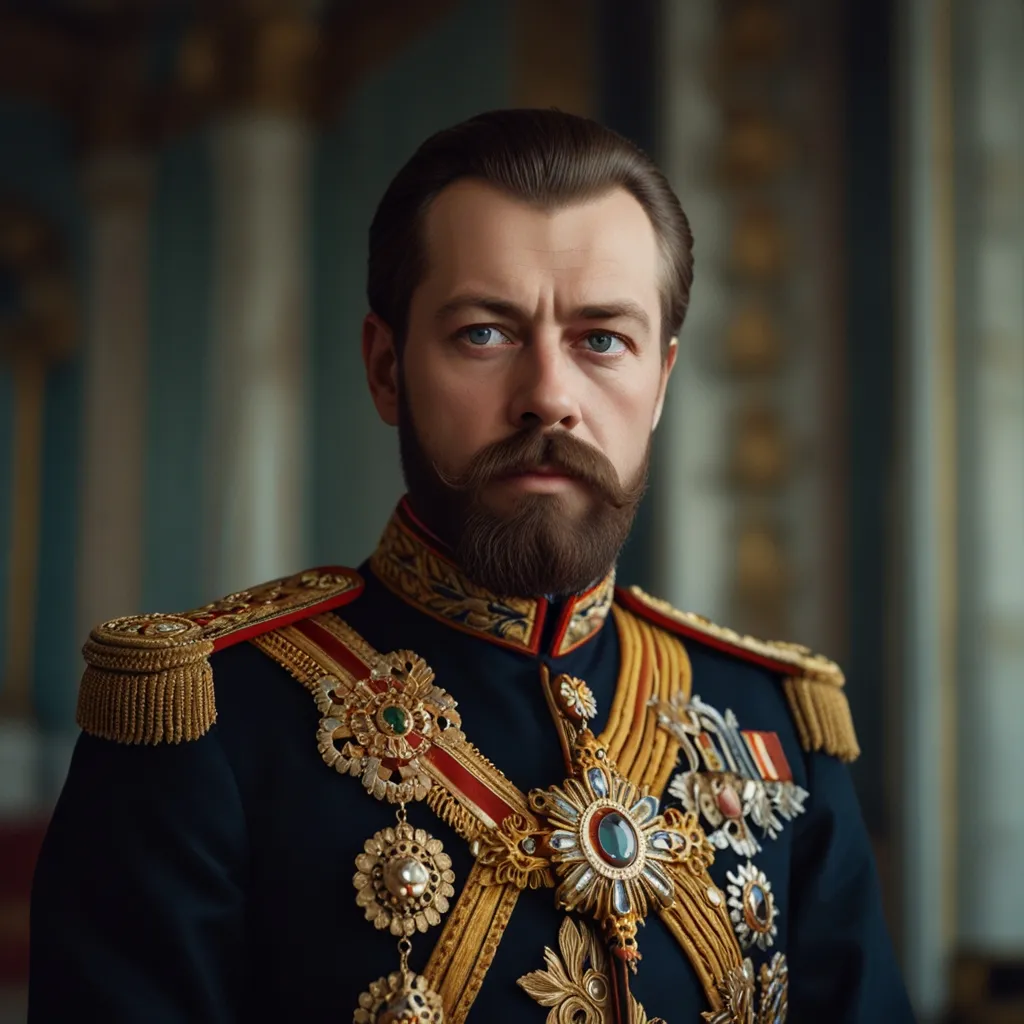
Nicholas II, the last Tsar of Russia, was born on May 6, 1868, in Tsarskoye Selo, near St. Petersburg. He was the eldest son of Alexander III and Maria Fyodorovna, and his full name was Nikolay Aleksandrovich Romanov. Nicholas II ascended to the throne on November 1, 1894, following his father’s death. He was crowned Tsar in Moscow on May 26, 1896.
Nicholas II’s reign was marked by significant events and challenges. He was not well-prepared for the role of an autocratic ruler, having received a military education and being more interested in physical exercise and the trappings of army life. Despite his personal charm, he was timid and preferred the privacy of his family circle over engaging with his subjects. His wife, Alexandra, whom he married on November 26, 1894, had a strong influence over him. She introduced him to spiritualists and faith healers, most notably Grigori Rasputin, who gained considerable power over the imperial couple.
Nicholas II’s leadership style was criticized for being indecisive and heavily influenced by his advisors. He distrusted his ministers, fearing they were intellectually superior and sought to usurp his authority. His view of his role as an autocrat was simple: he believed his authority came from God, and it was his duty to preserve his absolute power. However, he lacked the strength of will to effectively rule the vast Russian Empire.
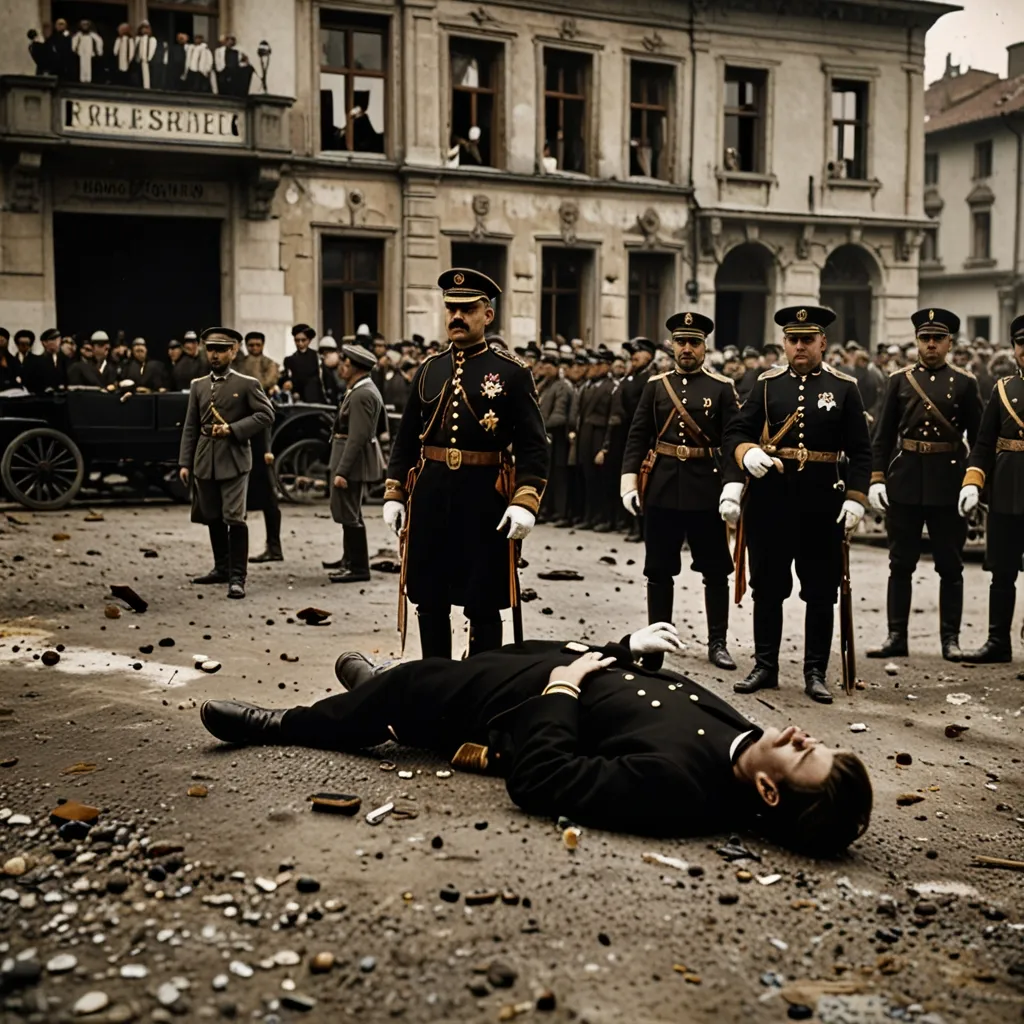
During his reign, Nicholas II faced numerous challenges, including the Khodynka Tragedy and the suppression of the 1905 Revolution. These events earned him the nickname “Nicholas the Bloody.” His inability to handle the political and social unrest led to widespread criticism. Historians often describe him as a well-meaning but poor ruler who was incapable of addressing the complex issues facing Russia.
Nicholas II’s reign was also marked by significant economic growth and industrialization. He presided over a period of unprecedented economic development, which led to the rise of organized labor and subsequent rebellions against poor working conditions. Despite these advancements, his leadership was marred by indecisiveness and a reliance on questionable advisors.
The outbreak of World War I further complicated Nicholas II’s reign. Russia’s military ventures were disastrous, and the war effort drained the country’s resources. The economic strain and military failures eroded public support for the monarchy. In March 1917, Nicholas II was forced to abdicate, marking the end of the Romanov dynasty and the beginning of a new era in Russian history.
Nicholas II and his family were eventually placed under house arrest by the Bolsheviks. In July 1918, they were brutally executed in Yekaterinburg, bringing an end to the Romanov dynasty. This tragic event was a culmination of the political turmoil and instability that characterized Nicholas II’s reign.
In the years following his death, Nicholas II’s legacy was heavily criticized within Russia. Soviet historians portrayed him as a tyrant responsible for the suffering of the Russian people. However, contemporary evaluations suggest that he was a complex figure, both charming and indecisive, whose actions were often dictated by those around him.
Today, Nicholas II is remembered as a symbol of the end of an era. His story serves as a cautionary tale about the dangers of indecisiveness and the importance of adapting to change. Despite his flaws, he remains a fascinating figure in history, embodying both the grandeur and the downfall of the Russian monarchy.