What Sparked the Fiery Rebellion of 1857 in India?
India's 1857 Revolt: A Turning Point in the Fight Against British Rule
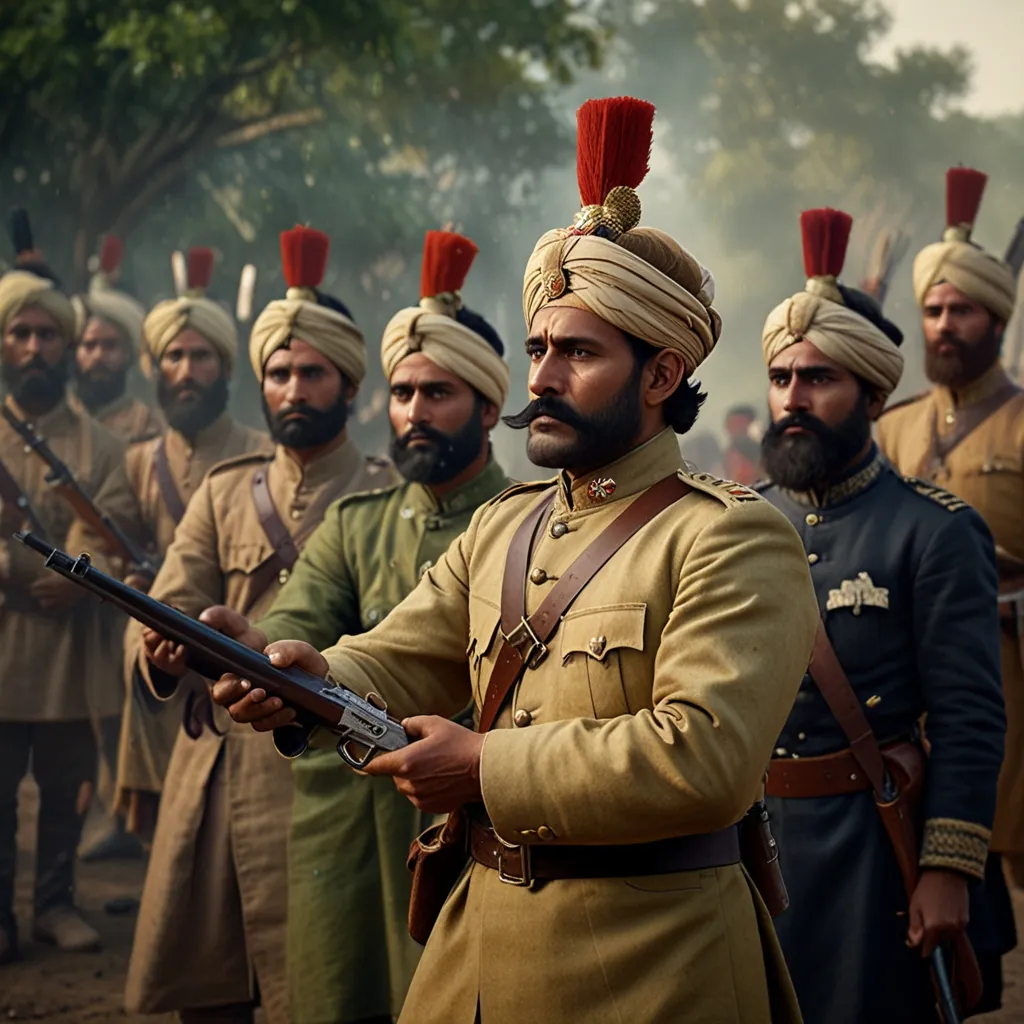
The 1857 Indian Rebellion, often called the Sepoy Mutiny or the First War of Independence, was a major revolt against British rule in India. It ran from 1857 to 1858 and marked a huge moment in Indian history, fueled by a mix of deep-seated issues and explosive events.
The discontent among Indian soldiers, or sepoys, in the British East India Company’s army was one of the main reasons for the rebellion. The final straw was the introduction of the Enfield rifle. To use this rifle, soldiers had to bite cartridges that were rumored to be greased with pig and cow fat, a big no-no for both Muslims and Hindus. This rumor only added fuel to the already smoldering sepoy grievances.
The British were steadily expanding their grip on India. The notorious Doctrine of Lapse allowed them to annex princely states if the ruler didn’t have a natural heir, displacing many local leaders. Coupled with the spread of Western ideas and education, Indian society felt its traditional ways being threatened.
The rebellion kicked off in Meerut in May 1857 when sepoys refused the new cartridges and got punished, leading to an uprising. They killed their British officers and moved to Delhi, where they linked up with other rebel forces. Bahadur Shah II, the elderly Mughal emperor, was put back on the throne, symbolizing the rebellion’s goal to revive Indian rule.
The revolt spread across northern India, drawing in not just sepoys but also local rulers and regular folks. The British hit back with full force, leading to brutal battles in places like Delhi, Kanpur, and Lucknow. Their operations had three main phases: initial clashes, actions around Lucknow, and final clean-up campaigns. By July 1859, the Brits had crushed the rebellion and declared peace.
The aftermath of the uprising was sweeping. The British East India Company was dissolved, and India fell under direct British control. While the British government started consulting Indians more, they also halted some of the social reforms that had irked Hindu society. The rebellion, though ultimately unsuccessful, planted the seeds for the future Indian national independence movement.
Economically and socially, the rebellion had a significant impact. Harsh penalties on the rebels led to widespread suffering. The British continued to de-industrialize India, exploiting its resources for their own gain, causing economic hardship and growing resentment among Indians.
So, the 1857 Indian Rebellion was a complicated event sprung from political, religious, and economic grievances. It was a turning point in India’s history, setting the stage for future struggles for independence and altering India’s relationship with Britain forever.