Will Your Ears Survive Your Next Concert?
Rock On Safely: Master the Art of Hearing Protection for Endless Concerts
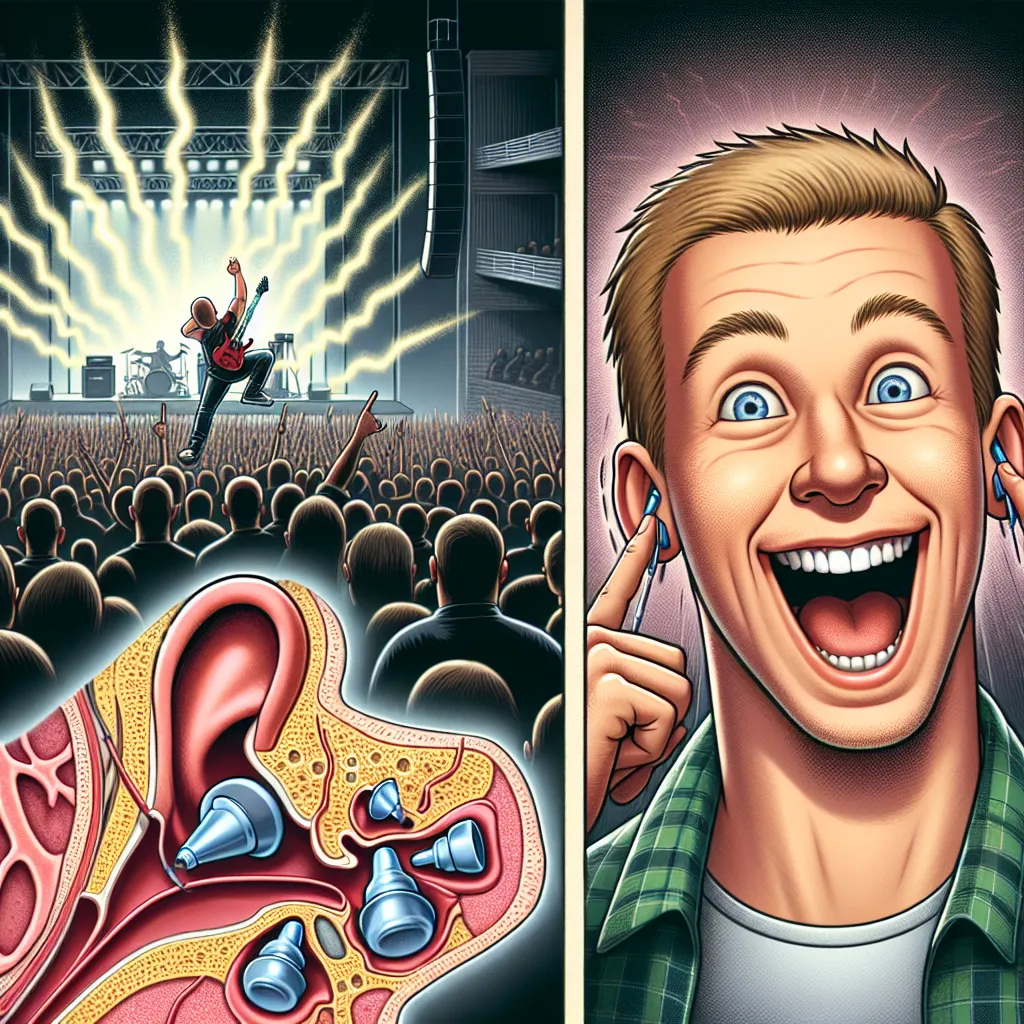
After Anja spent three hours rocking out to her favorite Norwegian metal band, she struggled to hear her friend excitedly talk about the gig. His voice was muffled like he was far away, drowned out by a persistent ringing in her ears. By the next morning, things were better, but it left her wondering: What caused that disturbing ringing? Will her hearing bounce back completely? And, most importantly, how can she keep going to concerts without wrecking her ears?
To get to the bottom of it, let’s start with how sound works and how we hear it. Imagine dropping a pebble in water and watching the ripples spread; that’s how sound moves, with vibrations rippling through the air. Our ears are specially designed to pick up these air vibrations. Sound waves enter the ear canal and hit the eardrum, which then sends the vibrations through three tiny bones known as the ossicular chain. These bones kick the vibrations into the cochlea, a spiral-shaped organ filled with fluid. The journey continues as these fluid waves move a membrane lined with thousands of hair cells. These cells translate the shaking into signals our brains can understand as sound.
However, these tiny hair cells are pretty delicate. Two main things can mess them up: loudness and exposure time. The louder the noise, the stronger the pressure on these hair cells. Sounds over 120 decibels, like at close-range concerts, can instantly damage or destroy them, sometimes even causing a dislocated ossicular chain or a burst eardrum. But even less intense sounds can be harmful if you’re exposed for too long. Think of using a hand dryer for 20 seconds—no biggie. But listen to that droning noise for hours, and you’re looking at overworked hair cells, leading to muffled hearing. This temporary loss, called a Temporary Threshold Shift, usually goes away once the hair cells’ swelling subsides and they return to normal.
Thankfully, for Anja, this condition is temporary. Just avoiding loud noises for a bit will give her hair cells some time to heal. But repeated exposure to loud sounds isn’t something to brush off. It can lead to long-term problems like tinnitus—a constant ringing in the ears—or trouble understanding people in noisy places. Overworked hair cells can even create harmful molecules called reactive oxygen species that can cause permanent inner ear damage.
So, how can you keep your hearing in tip-top shape? Simple steps can make a big difference. If you’re grooving to your playlist with earbuds, keep the volume below 80% if you’re listening for more than 90 minutes a day. Noise-isolating headphones can help you enjoy your tunes at safer levels. Regular hearing check-ups are just as crucial as annual eye or dental exams, especially since they can catch early signs of hearing loss.
For those without easy access to audiologists, many organizations are developing portable hearing tests and user-friendly apps to help. And don’t forget earplugs when you know you’ll be around loud sounds for a long time. Make sure they fit properly to be effective, and you’ll be able to enjoy many more concerts without worry.
Protect your ears today, and you’ll keep your hearing sharp for all the music-filled tomorrows.