Could Anyone Become a Supreme Court Justice in the US?
**The Unpredictable Path to the Supreme Court**
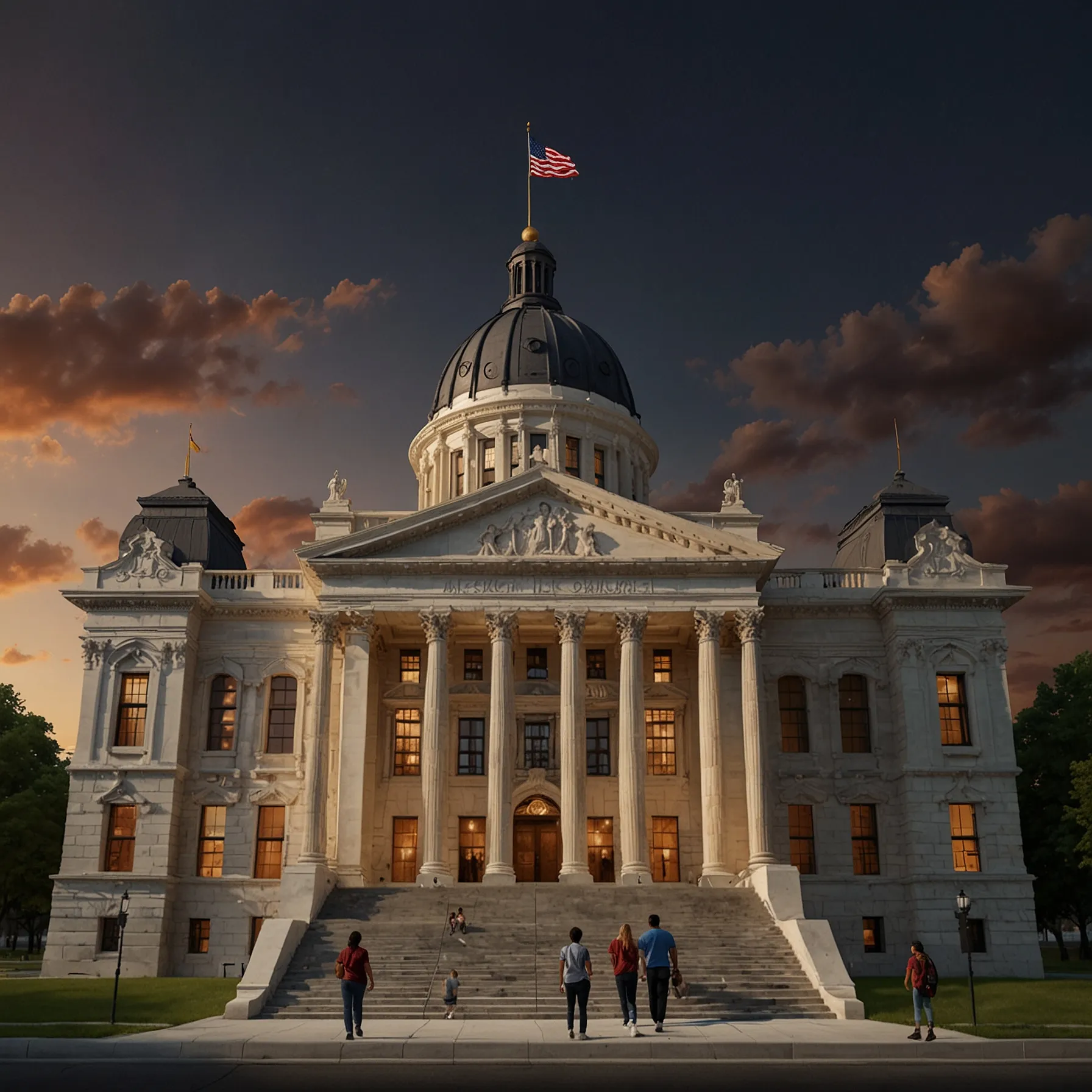
There’s a job in the US that comes with significant power, high pay, prestige, and almost perfect job security: being a justice on the Supreme Court. But landing this role isn’t easy. You need to be nominated by the president, approved by the Senate, and formally appointed by the president once again.
Interestingly, the Constitution doesn’t set specific qualifications for being a Supreme Court justice. There’s no age, education, profession, or even citizenship requirement. This means a president can technically nominate anyone. We’ve had six foreign-born justices, one who didn’t graduate high school, and another who was just 32.
Presidents usually pick nominees who align with their ideological outlook. So, a liberal president will likely choose a liberal nominee. But surprises do happen. President Eisenhower, a Republican, thought Earl Warren would make conservative decisions as Chief Justice. Instead, Warren made some of the most liberal decisions in the Court’s history. Eisenhower famously regretted that choice.
Beyond ideology, other factors like experience, loyalty, ethnicity, and gender often play a part in the selection. Nominees undergo a thorough vetting process, including scrutiny of their tax records and personal history. Once the president nominates someone, the Senate Judiciary Committee holds hearings to examine the nominee’s qualifications and views. These hearings can last many days, especially if the nomination is controversial.
The Judiciary Committee then votes on the nomination, and their recommendation goes to the full Senate. Rejections are more common when the Senate majority is from a different political party than the president. When the Senate approves, which requires a simple majority, the president issues a written appointment. The new justice then takes the constitutional and judicial oaths.
Once appointed, a Supreme Court justice serves for life unless they resign, retire, or are impeached. Out of 112 justices in US history, none have been removed through impeachment. Their role includes protecting Americans’ fundamental rights, regardless of which party is in power. The impact of their decisions is immense. As Irving R. Kaufman put it, a justice is expected to be “a paragon of virtue, an intellectual Titan, and an administrative wizard.”
Not all justices live up to this ideal, but every one of them leaves a legacy that will be judged by history.