You might have a fondness for pizza and ice cream, and I lean towards sushi and apples. He’s equally enthusiastic about his preferred dishes. But believe it or not, none of these favorites come close to being the most popular food globally. You might be surprised to learn that the most consumed food in the world is rather plain.
When discussing the most popular food, it’s essential to differentiate between what people desire and what they actually consume. More luxurious treats like ice cream or chocolate aren’t everyday staples due to their cost or indulgence factor. So, let’s focus on the foods that are most frequently consumed worldwide.
Starting with corn, it’s the world’s most produced crop. If you travel through the Midwest of the United States, you’ll witness vast stretches of farmland dedicated to corn. Growing up in Michigan, I always wondered who could eat all that corn. The truth is, most of this corn isn’t directly consumed by humans. Instead, it’s primarily used as animal feed for livestock like cows, pigs, and chickens. If you eat meat, you’re indirectly consuming all that corn. Additionally, corn is utilized in making ethanol, corn oil, and corn syrup, leaving only a small fraction for direct human consumption.
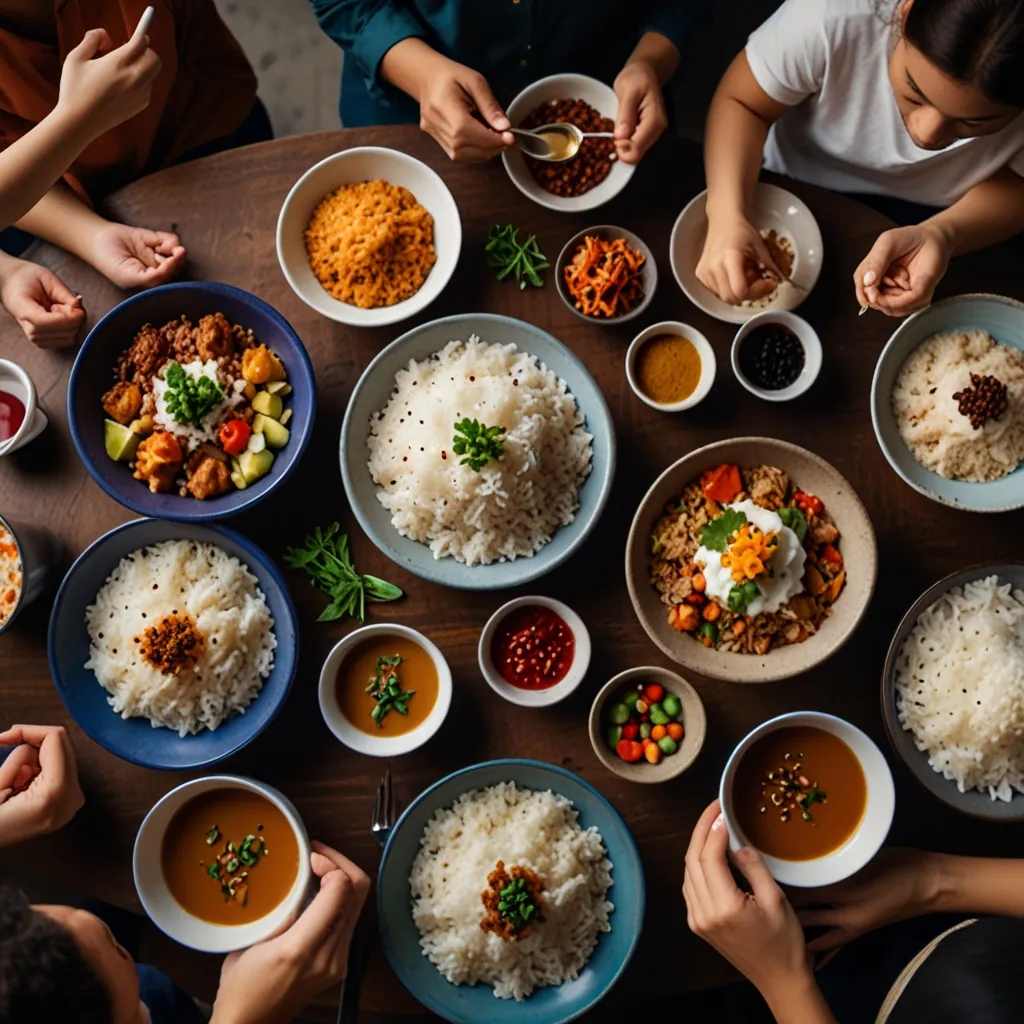
Now, let’s reveal the most consumed food by humans: rice. Rice holds the title of being the most crucial source of calories for people globally. On average, individuals consume their body weight in rice each year. This figure aligns with the global average, where a person weighs around 137 pounds and consumes about the same amount of rice annually. This consumption varies by region, with Asians typically eating more rice than North Americans.
Rice provides around 20% of the total calorie intake for humans, underscoring its significance in our diets. Its vital role becomes even clearer when considering that without rice, many of our ancestors would have faced starvation, and even today, rice is crucial for the survival of many.
Rice has undeniably shaped human history and continues to support a significant portion of the world’s population. It’s fascinating to think about how such a simple grain has such a profound impact on our lives.