Did One Book Really Shake Up How We See Life on Earth?
The Book That Shook the World and Redefined Life Itself
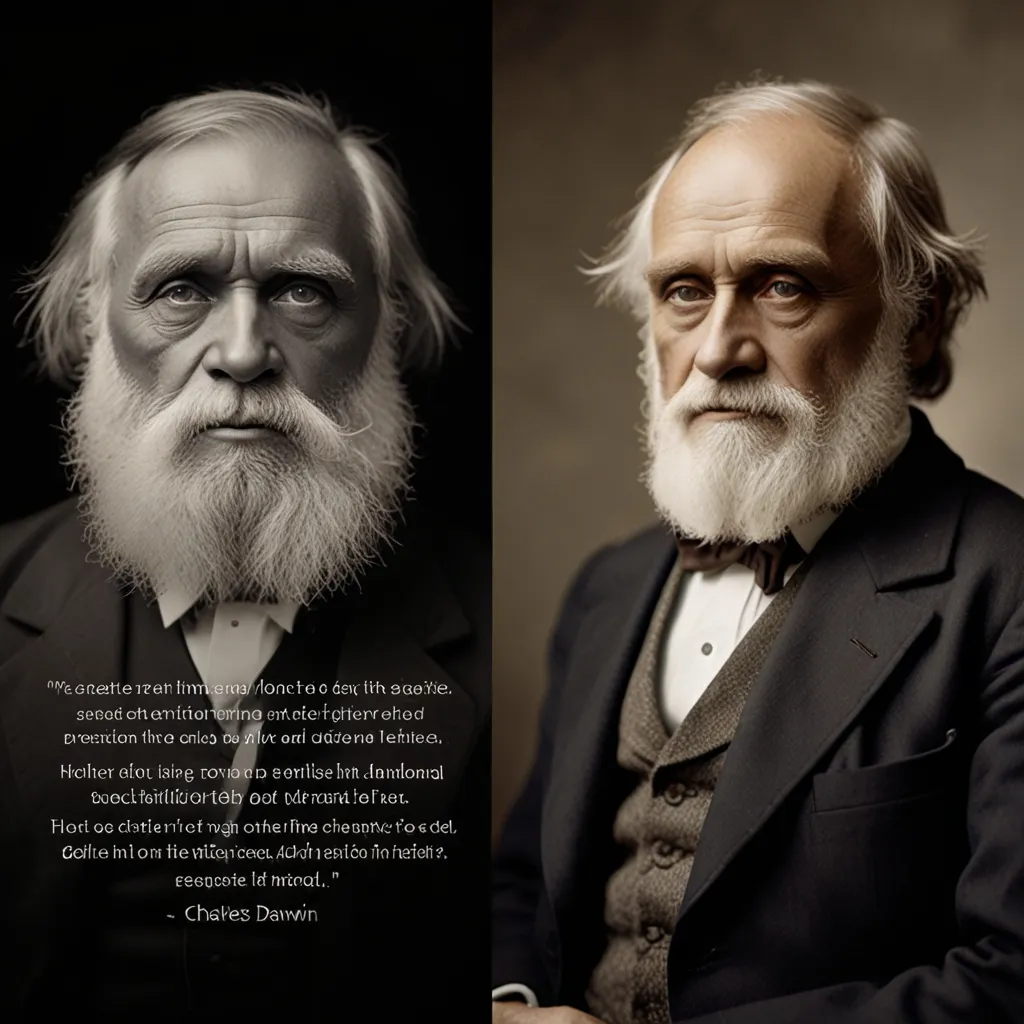
In 1859, an intellectual tidal wave hit the Western Hemisphere. It wasn’t a physical catastrophe but a seismic shift in social, intellectual, and religious norms. This upheaval came in the form of a book titled “On the Origin of Species,” written by the relatively unknown Charles Darwin. This groundbreaking publication forever altered our understanding of life on Earth and left an indelible mark on society that persists even 160 years later.
Before Darwin’s work, most of Western society adhered strictly to the biblical creation account. Darwin’s theory of evolution challenged this view, suggesting instead that species evolve over time through natural selection. Today, evolution is one of the most robustly supported theories in science, yet it remains widely misunderstood.
Many people think that evolution makes organisms change to suit their environment. They might also say it occurs by random chance, or that humans are the most evolved species, or even that it’s ‘just a theory,’ implying speculation. So, why are these statements incorrect?
First, let’s clarify what evolution is: it’s the inherited change in populations of organisms over time, driven by environmental pressures. Changes happen in populations, not individuals. For example, if elephants lived in a cold climate for generations, hairier elephants would have a survival advantage and would be more likely to reproduce, making future generations hairier over time. This adaptation happens across generations, not within an individual’s lifetime.
Evolution doesn’t occur by pure randomness. Mutations—random changes in genetic material—do occur, but natural selection, an inherently non-random process, determines which mutations persist. While most mutations are neutral or harmful, the few beneficial ones provide essential variation for natural selection to act upon.
And fitness in evolutionary terms isn’t about being the strongest or smartest; it’s about survival and reproductive success. A ‘fit’ organism is one that has a better chance to reproduce in its environment, regardless of its size, strength, or intellect.
Contrary to what some might think, evolution is not goal-oriented; it doesn’t aim for progress. Some species, like the American alligator, remain relatively unchanged for millions of years because they’re already well-suited to their environments. Humans are not necessarily the most successful species. Single-celled organisms and insects vastly outnumber us in both quantity and biomass.
The term ‘theory’ in science doesn’t imply guesswork. A scientific theory is a well-substantiated explanation based on evidence and observations. So saying evolution is ‘just a theory’ misunderstands what a scientific theory actually is. Evolution doesn’t claim to explain the origin of life—that’s the realm of abiogenesis. Evolution only applies to populations of living organisms.
Another persistent misconception is the idea that humans evolved from monkeys. In reality, humans and modern apes share a common ancestor that lived around ten million years ago. This shared lineage explains our similarities and differences.
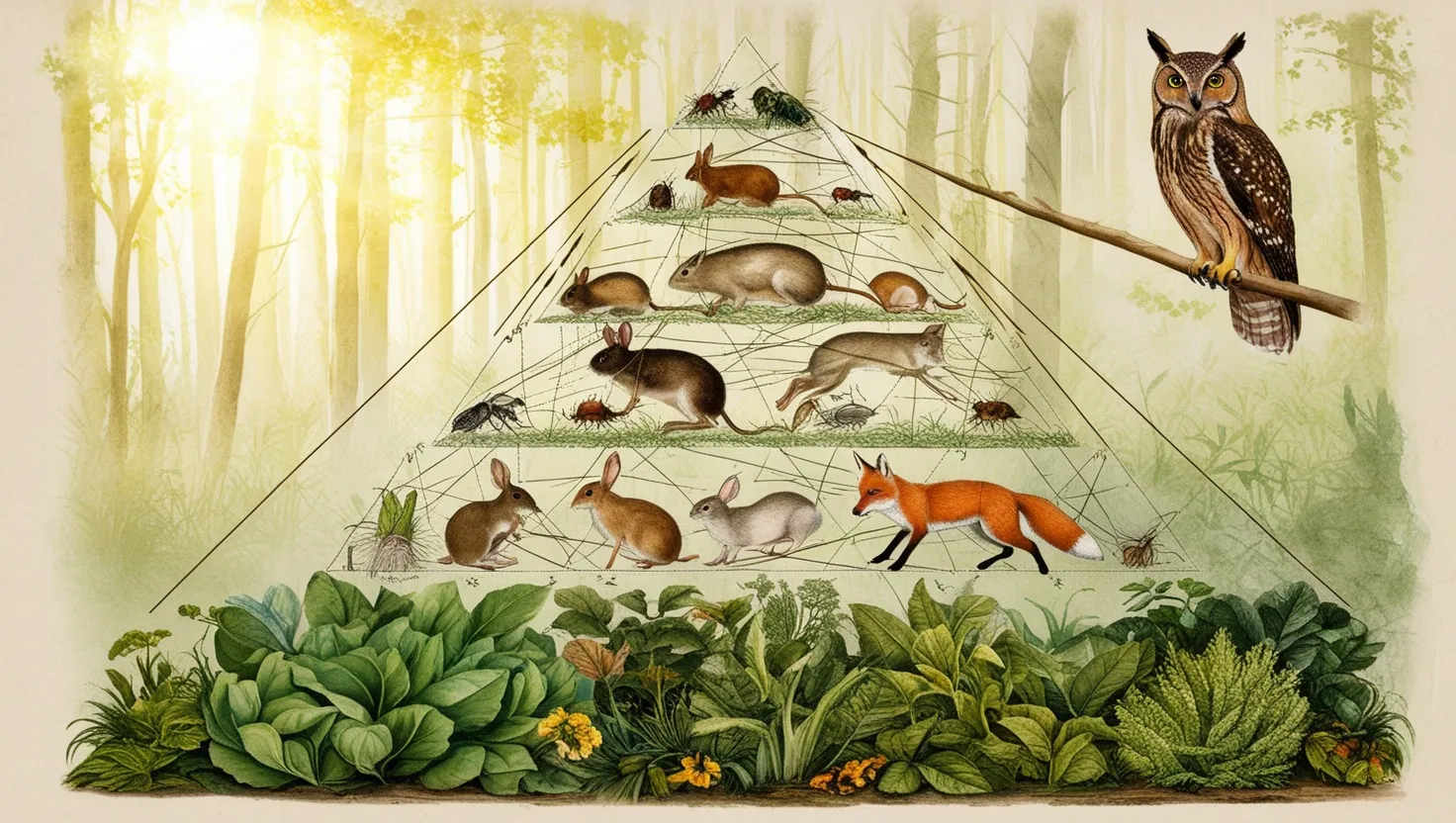
Some argue that evolution conflicts with the laws of thermodynamics, specifically entropy. They claim life becoming more ordered contradicts the idea that systems tend toward disorder. However, Earth is not a closed system; it receives vast amounts of energy from the Sun, driving complex processes like evolution. Local decreases in entropy are possible within an overall system where energy is continuously added.
Understanding evolution involves recognizing three key principles: extremely unlikely events do occur given enough time; while mutations are random, their survival is not, thanks to natural selection; and given enough time, small beneficial changes can accumulate into highly complex systems.
Scientifically, evolution has been tested in countless ways—field studies, fossil records, computer models, and more. Each new test reinforces the theory, making it one of the most thoroughly validated in science.
Darwin’s theory has stood the test of time, fundamentally transforming our understanding of life on Earth and continuing to influence science and society today.