Could Lab-Grown Organs Be the Future of Personalized Medicine?
Engineering Innovations Take Drug Testing into the Future by Mimicking Human Tissues
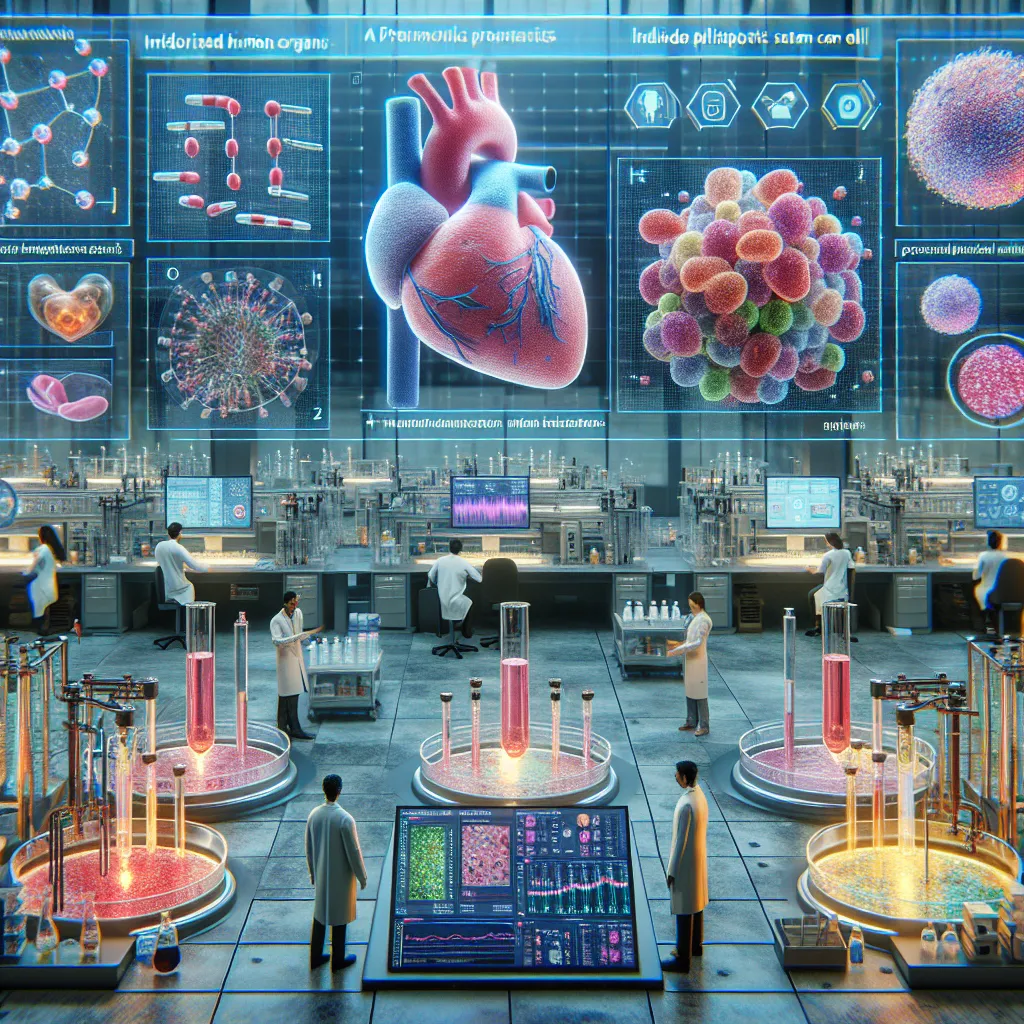
Hey there! Let me take you on a journey into the incredible world of tissue engineering. Imagine cells that can be reprogrammed into any tissue type, like your heart or brain—exciting, right? Well, that’s what I’m working on, and I want to tell you how it could revolutionize drug testing and even treat diseases.
Think about the usual drug screening process. It goes from lab testing to animal testing, and finally, to human trials. This method is time-consuming, expensive, and sometimes flawed. Why? Because humans are not rats, and our tiny genetic differences matter a lot. These differences can make a drug act unpredictably and even harm some people.
So, what if we had better lab models that mimic human diversity more accurately? That’s where tissue engineering comes in. We use induced pluripotent stem cells, a genius tech developed in Japan. These cells are like blank slates that we can program to become any tissue type, all without the ethical issues tied to embryonic stem cells.
Imagine growing a mini-version of your heart or brain on a chip. This opens the door to creating disease models in the lab. For example, at Harvard, scientists made neurons from patients with Lou Gehrig’s disease. These lab-grown neurons showed symptoms of the disease, enabling faster and more accurate drug discovery.
And it’s not just diseases like Lou Gehrig’s. Tissue engineering holds promise for genetic diseases too, like retinitis pigmentosa, which affects the retina and is a bit personal to me since it runs in my family. With stem cells, we can explore personalized treatments that are fine-tuned to an individual’s unique needs.
Are these lab-grown tissues as good as the whole organism? Some skeptics argue they’re not, missing the complex interplay between organs. But that’s changing. By combining tissue engineering with microfluidics, we’re developing systems that mimic how drugs impact multiple organs. This could mean testing a blood pressure medication to see its effects on your liver or heart in a controlled mini-ecosystem.
And let’s talk personalization. Imagine getting a cancer diagnosis (I hope you never do), and being able to test which drugs will work best on your specific cancer before starting treatment. Scientists are already using bioprinting tech to study breast cancer cells and their interaction with tissue-engineered bone to understand how cancer spreads.
In essence, tissue engineering is set to transform drug screening at every level—creating better disease models, making lab tests more efficient, reducing animal and human testing, and even offering personalized treatments. This tech is turning pharmacology into a data-driven science, helping us discover drugs faster, cheaper, and more effectively.
So, the next time you think about models, remember, they’re not just helping with fashion or tech but are integral to innovations that could save lives. Thanks for sticking with me through this fascinating ride!