Where Do Vampires Truly Come From? Unveil Their Creepy Origins!
Unveiling the Timeless Allure of Vampires in Halloween Traditions.
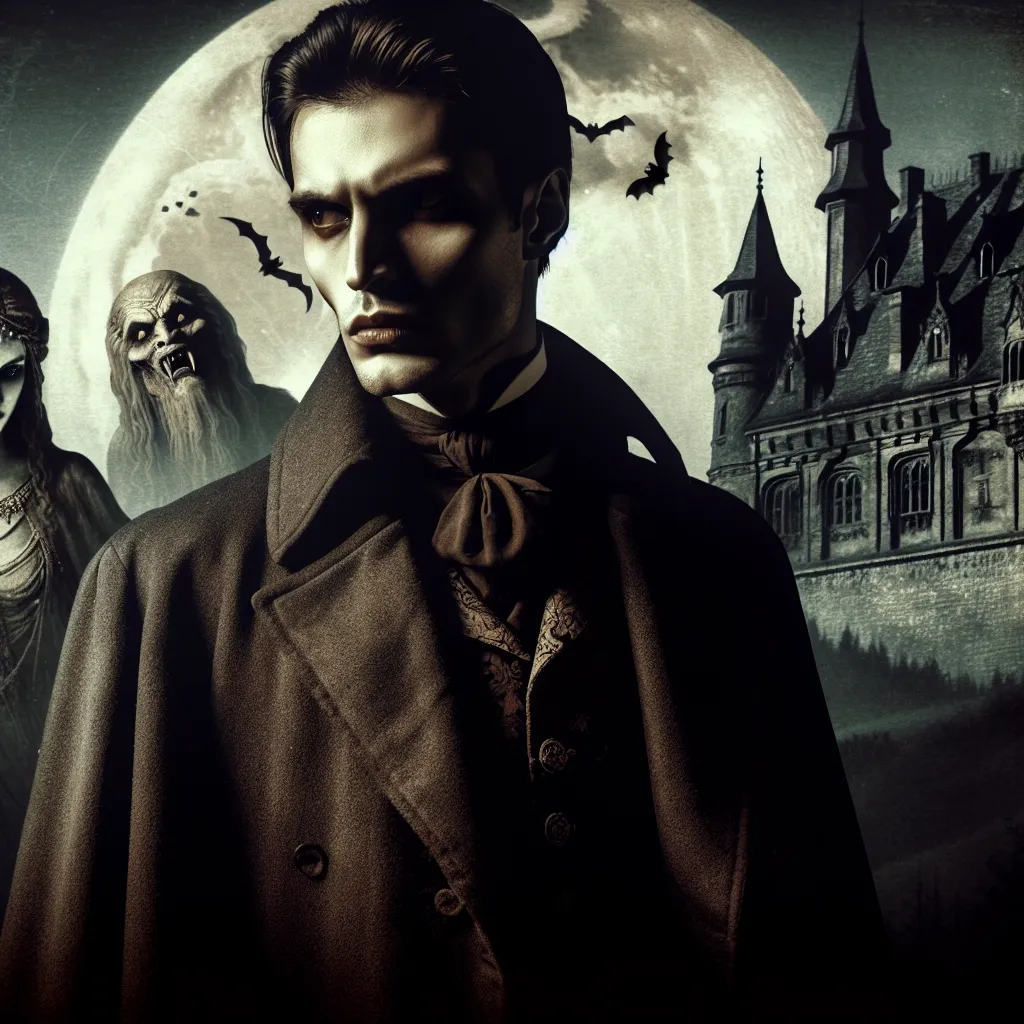
I am Dracula. It’s hard to find a creature more synonymous with Halloween than vampires. These bloodthirsty beings have entrenched themselves in popular culture, from classic monster movies to modern kid flicks and costumes. Even though recent adaptations like “Twilight” may have softened their image, the spooky essence of vampires remains.
But where did vampires really come from? Their legend feels timeless, but their origin has surprisingly diverse roots. These bloodsuckers have been terrifying folks for centuries, crossing various cultures and mythologies.
In ancient Mesopotamia, creatures like Lilitu—female demons thirsting for baby blood—represented early vampiric beings. The fear of bloodthirsty entities also appears in Greek mythology with Lamia, another child-eating night terror. Similarly, infamous historical figures like Vlad the Impaler and Elizabeth Bathory contributed to the vampire lore, with gruesome tales and sinister reputations.
Dracula, Bram Stoker’s creation from 1897, cemented the vampire myth. Stoker’s vampire drew from Eastern European folklore, like the fearsome grave chewers who allegedly ate their own burial shrouds and limbs. These vampires terrorized locals, making noises from their graves and attacking people, often turning their victims into vampires themselves.
During the 18th century, the fear of vampires spread through Europe, with alleged cases like Peter Plogojowitz in Serbia, where the dead were suspected of rising and killing the living. Despite Enlightenment rationality, vampire hysteria persisted, blending empirical reasoning with terrifying folklore. Scientists and theologians debated the reality of these nocturnal terrors, caught between superstition and early scientific inquiry.
The literary world captured this eerie fascination, leading to works like “The Vampyre” by John Polidori and Stoker’s “Dracula.” These tales shaped the modern vampire image—aristocratic, seductive, and deadly. Gothic fiction embraced the vampire, reflecting societal anxieties and deep fears.
Cinema took these literary vampires further. Bela Lugosi’s iconic portrayal in “Dracula” (1931) defined the vampire image for generations. With a slick accent, dark cape, and piercing gaze, Lugosi became the definitive Dracula.
Halloween wouldn’t feel complete without a nod to vampires. From parties to movies, the gothic allure of these creatures persists, reflecting centuries-old fears and myths. Whether you’re dressing up or indulging in spooky cinema, remember you’re participating in a rich, evolving tradition. Vampires, in all their forms, continue to captivate our imagination. Happy Halloween!