Is God Really One in Three? Unraveling the Mystery of the Trinity
One God, Three Persons: Exploring the Divine Mystery at Christianity’s Core
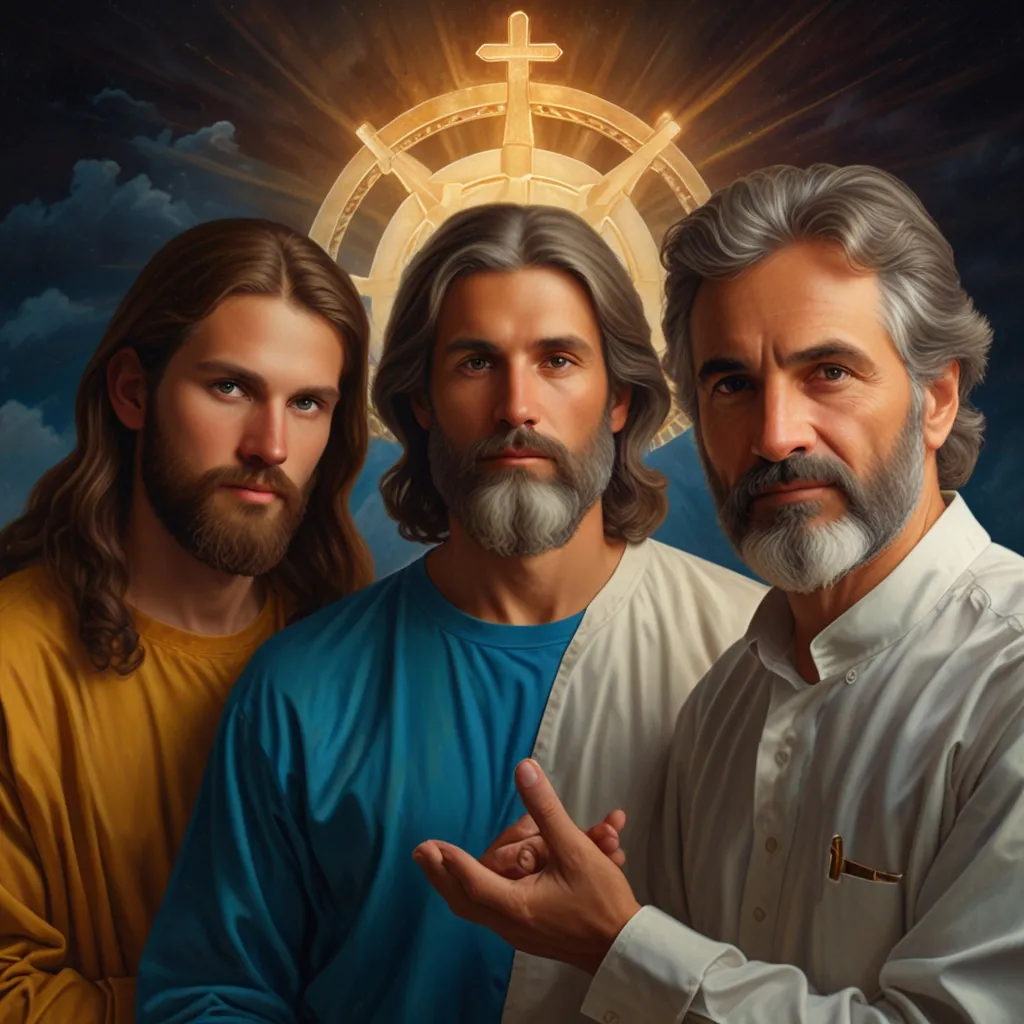
The Trinity is a pretty big deal in Christianity. It’s the idea that God exists as one Being but in three separate Persons: the Father, the Son, and the Holy Spirit. Essentially, it’s the cornerstone of the Christian faith, helping believers get a grip on God’s nature and how He interacts with humans.
Think of it like this: one entity showing up in three different ways. It’s kind of mind-bending but super important for understanding Christianity’s take on God. The Father, Son, and Holy Spirit aren’t just different roles God plays. They’re unique Persons, each fully God.
People often use analogies to explain the Trinity. Picture water; it can be liquid, ice, or steam but is still water. Or think of an egg with its yolk, whites, and shell—all parts of one egg. Then there’s the sun, shining light and giving off heat, but still just one sun. These analogies are handy but not perfect. They might make someone think God shifts forms or that the Father, Son, and Holy Spirit are just parts of God, which isn’t quite right.
The Bible mentions the Father, Son, and Holy Spirit as different Persons. For instance, Jesus prayed to the Father, showing they’re not the same Person. Plus, the Holy Spirit was sent by the Father and the Son, demonstrating it’s a separate entity. Each Person is fully God, yet God is one. This unity in diversity is a mystery that Christians cherish and celebrate.
The idea of the Trinity developed over time. Early Christians puzzled over Jesus’ teachings and the Holy Spirit’s presence. The New Testament lays out the foundation, even though it doesn’t use the word “Trinity.” Details like the Great Commission and the apostolic benediction group the Father, Son, and Holy Spirit together, setting the stage for this belief.
Some folks point out that the Trinity isn’t explicitly stated in the Bible. They argue that theologians later crafted the doctrine to explain God’s nature. However, many Christians believe the Trinity is hinted at throughout the Bible and is essential to fully honor God.
Understanding the Trinity is key to connecting with God. It shows how God interacts with people in different ways—through creation, salvation, and spiritual guidance. The Trinity isn’t a contradiction; it’s a deep truth that enriches the Christian faith.
So, in a nutshell, the Trinity is a fascinating and mysterious part of Christianity, describing God as one Being in three distinct Persons. It’s tough to wrap your head around but has profoundly shaped the Christian faith, inspiring worship and a sense of awe.