Cordoba was once one of the most thriving cities in Europe, possibly even the world. It played a pivotal role during the Umayyad Empire starting in the 8th century, serving as a cultural hub in Muslim Spain, also known as Al-Andalus or Andalusia. This city became a melting pot of scientific, philosophical, and artistic advancements where Muslims, Jews, and Christians coexisted and influenced each other.
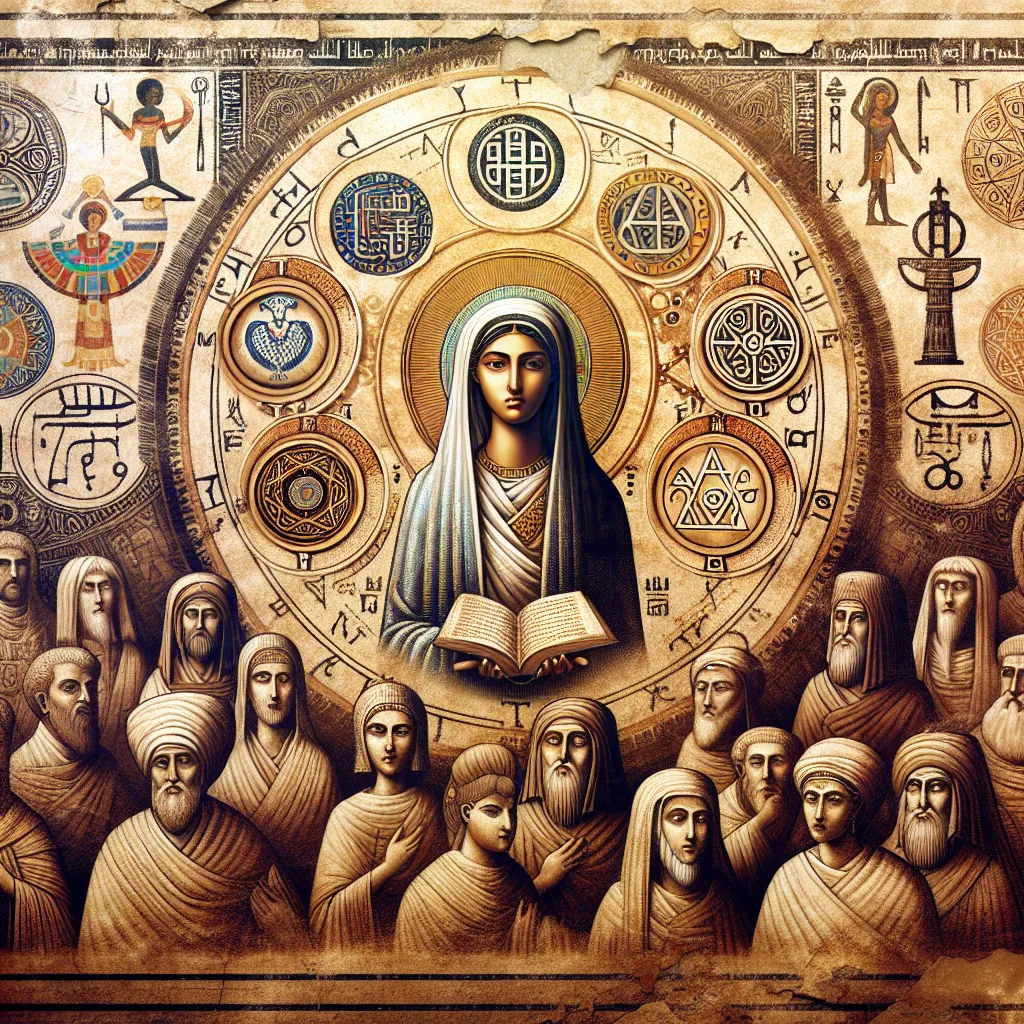
One of the most intriguing characters to emerge from this period is the princess-poet Wallada, who lived during the twilight of the Umayyad rule. Wallada was the daughter of the last Umayyad caliph of Cordoba, Muhammad III (Al-Mustakfi). She witnessed her father’s downfall, but unlike him, she chose to remain in Cordoba. Despite losing her royal status, her noble background afforded her certain privileges, allowing her to lead a relatively independent and wealthy life.
Women in Andalusia during this time enjoyed more freedom compared to other places, and Wallada made the most of these opportunities. Highly educated, she delved into literature, music, and various intellectual subjects. Eventually, Wallada began writing poetry, which is what she would be remembered for.
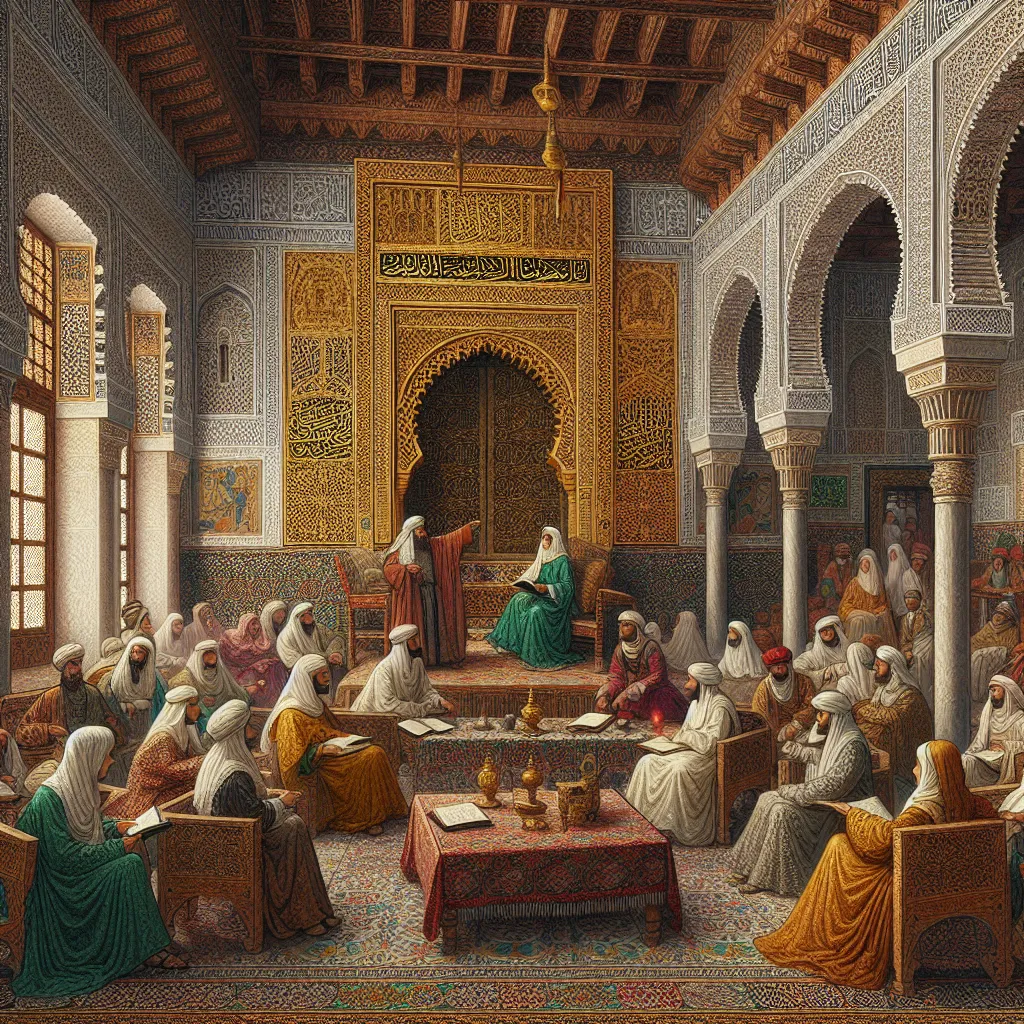
The Umayyad period in Andalusia is legendary for its intellectual and scientific achievements. Sponsored by rulers, these cultural advancements flourished in a diverse environment full of mingling languages, religions, and cultures. Amidst this backdrop, Wallada made her mark. She established a literary salon in Cordoba, where men and women gathered to discuss poetry and intellectual topics.
One notable figure who attended her salon was the famous poet Ibn Zaydun. His love affair with Wallada has become the stuff of legends. Though he served the ruler who overthrew Wallada’s father, the two fell deeply in love. Their relationship, however, was a secret due to its politically sensitive nature.
Their love was passionate but tumultuous, eventually turning sour. Rumors suggest that infidelity, possibly involving Ibn Zaydun and Wallada’s slave girl, caused their split. Their literary feud produced some of the spiciest poems in Arabic literature, filled with scathing and personal attacks. Wallada’s refusal to reconcile with Ibn Zaydun resulted in her writing critical and sometimes deeply personal poetry against him.
Even though their relationship didn’t end on a good note, the love affair between Wallada and Ibn Zaydun remains legendary, partly because it was immortalized through their poetry. These poems offer a window into 11th-century Muslim Spain and demonstrate how cultural richness persisted even in politically chaotic times.
Their story tells us much about the passionate and sometimes painful nature of love and serves as a crucial chapter in the history of Andalusia. Today, a monument in Cordoba commemorates the lovers: two hands almost touching but not quite, symbolizing their profound yet forever-separated love.