What Makes the Quran the Ultimate Guide for Millions?
The Eternal Echoes of a Divine Revelation: Understanding Islam’s Holistic Guide
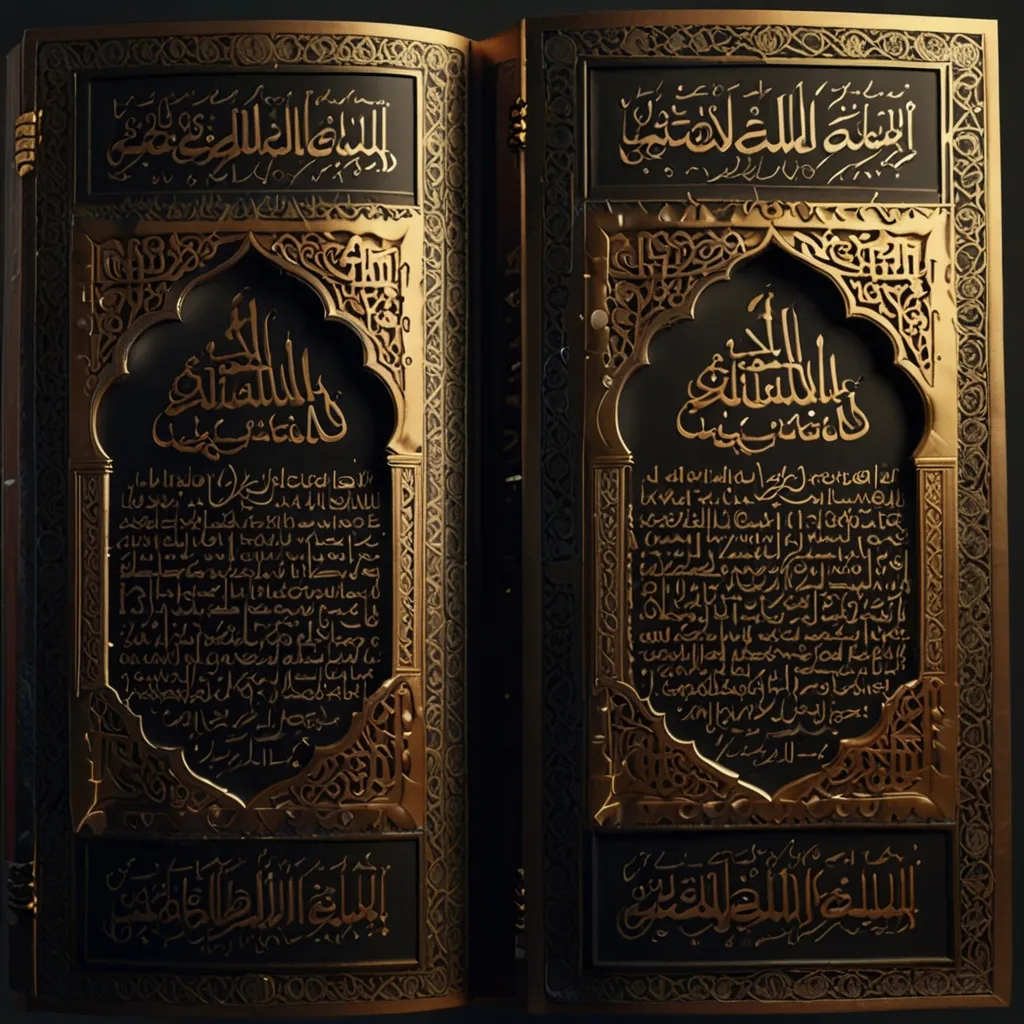
Islam has been a major world religion with a rich history, and millions of people around the globe follow its teachings. At the heart of Islam is the Quran, which Muslims see as the final revelation from Allah to humanity. The Quran is considered the central religious text of Islam.
The Quran came to the Prophet Muhammad over a span of about 23 years, starting when he was 39 years old in 609 CE and ending in 632 CE, the year he passed away. This revelation was brought to him by the angel Gabriel. Muslims view the Quran as Muhammad’s greatest miracle and proof of his prophethood, marking the end of divine messages that began with Adam.
The Quran is divided into chapters called surahs, and these chapters are further split into verses known as ayahs. Written in classical Arabic, the Quran is seen as the peak of Arabic literature. Muslims believe every word in the Quran is directly from Allah, offering guidance for every aspect of life—be it spiritual, legal, or social.
While the Quran is the central text, Islam also acknowledges other earlier holy books like the Torah, Psalms, and Gospel. These books were revealed to different prophets before Muhammad. However, Muslims believe that over time, human error and manipulation corrupted these scriptures. In contrast, the Quran is believed to be the final and pure revelation from Allah, free from any corruption.
These earlier holy texts, including the Scrolls of Abraham and Moses, are referenced in the Quran and are part of the broader Islamic tradition. The first caliph, Abu Bakr, started the process of compiling the Quran into one book shortly after Muhammad’s death. This task was completed during the time of the third caliph, Uthman ibn Affan, who created a standardized version to ensure consistency.
Despite its importance and reverence, the Quran has faced scrutiny. Some critics question its historical and scientific accuracy and point out contradictions with previous scriptures. However, for Muslims, the Quran continues to provide deep spiritual guidance. Its teachings emphasize God’s unity, the importance of prayer, charity, fasting during Ramadan, and pilgrimage to Mecca. Detailed guidelines for legal and ethical matters are also found within its verses.
In essence, for Muslims, the Quran is more than just a religious text. It’s considered the unaltered word of Allah and a guide for every facet of life. It plays a crucial role in shaping the legal, social, and cultural fabric of Muslim communities, making it a cornerstone of Islamic life and belief around the world.