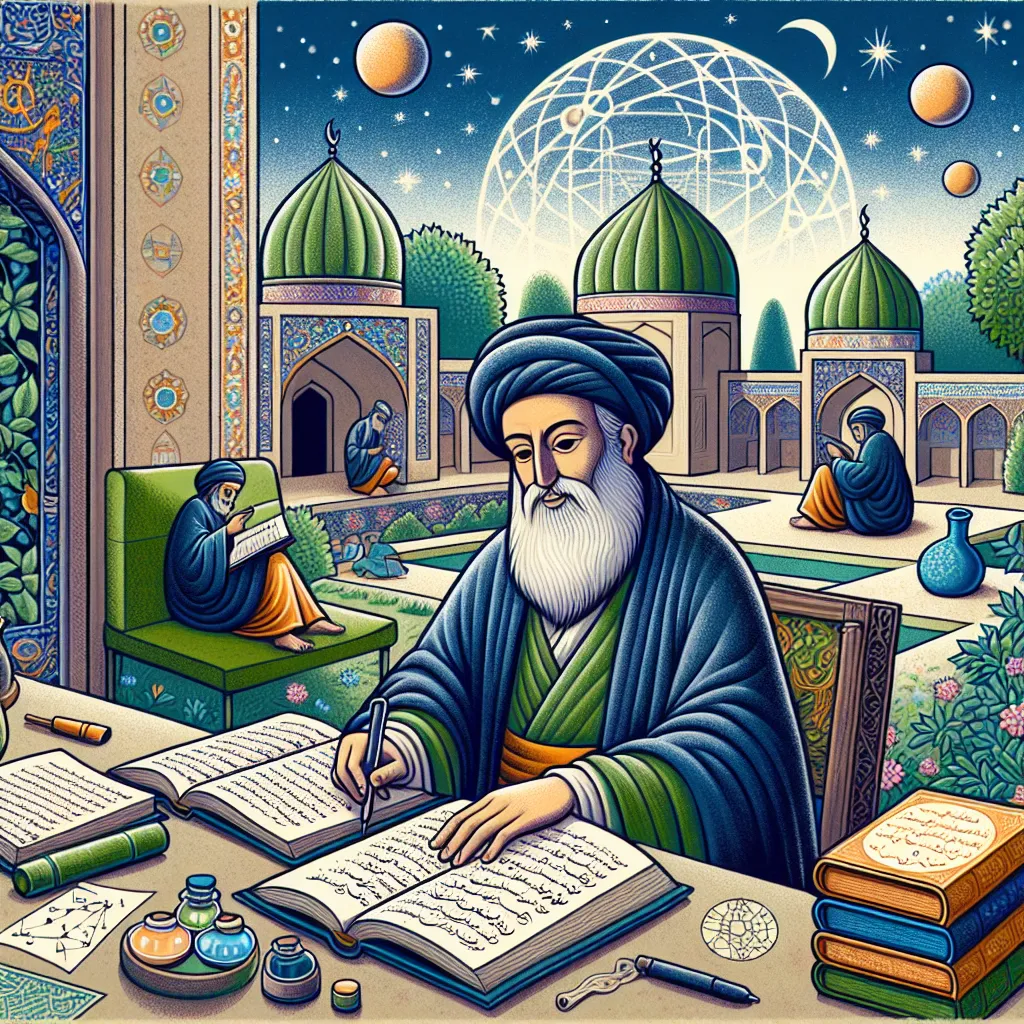
In a previous discussion about the significance of representation in Ismailism, I mentioned a few key figures from this tradition. One of the most fascinating is the 11th-century poet, traveler, and philosopher, Nasir Khusraw. Nasir is a standout in Ismaili history, particularly during the Fatimid dynasty’s rule from Egypt, which was the peak of Ismaili power.
Nasir Khusraw’s life is like a window into Ismaili philosophy and ideas. Born in 1004 AD in present-day Tajikistan, he enjoyed a comfortable upbringing and received a broad education that covered religious sciences, natural sciences, and philosophy. He worked as a scribe and economic adviser for the Seljuk sultanate. Most of what we know about his life comes from his own writings, which are scattered and sometimes boastful.
At 42, Nasir experienced a spiritual crisis that profoundly changed his life. He describes this turning point in his poetry, explaining that he sought wisdom and embarked on extensive travels, including several pilgrimages to Mecca. His spiritual journey found direction in Cairo, where he embraced Ismailism after engaging with the Fatimid intellectual community.
Nasir devoted himself to the Ismaili faith, becoming a dai (missionary) and later a hujjat (chief missionary) in Persia. However, his prominence drew hostility from Sunni authorities, forcing him into hiding. He died around 1077-1088 but left a lasting legacy, especially through works like his travelogue, the Safarnama, and philosophical texts.
One of his key works is the “Jami’ al-hikmatayn,” or “The Union of Two Wisdoms,” which attempts to harmonize philosophical and scientific knowledge with religious revelation. This book deals with a variety of questions, some profound and others curious, like the classic “chicken or egg” problem. Nasir argues that human curiosity about the world is a divine gift and that scientific inquiry complements religious knowledge.
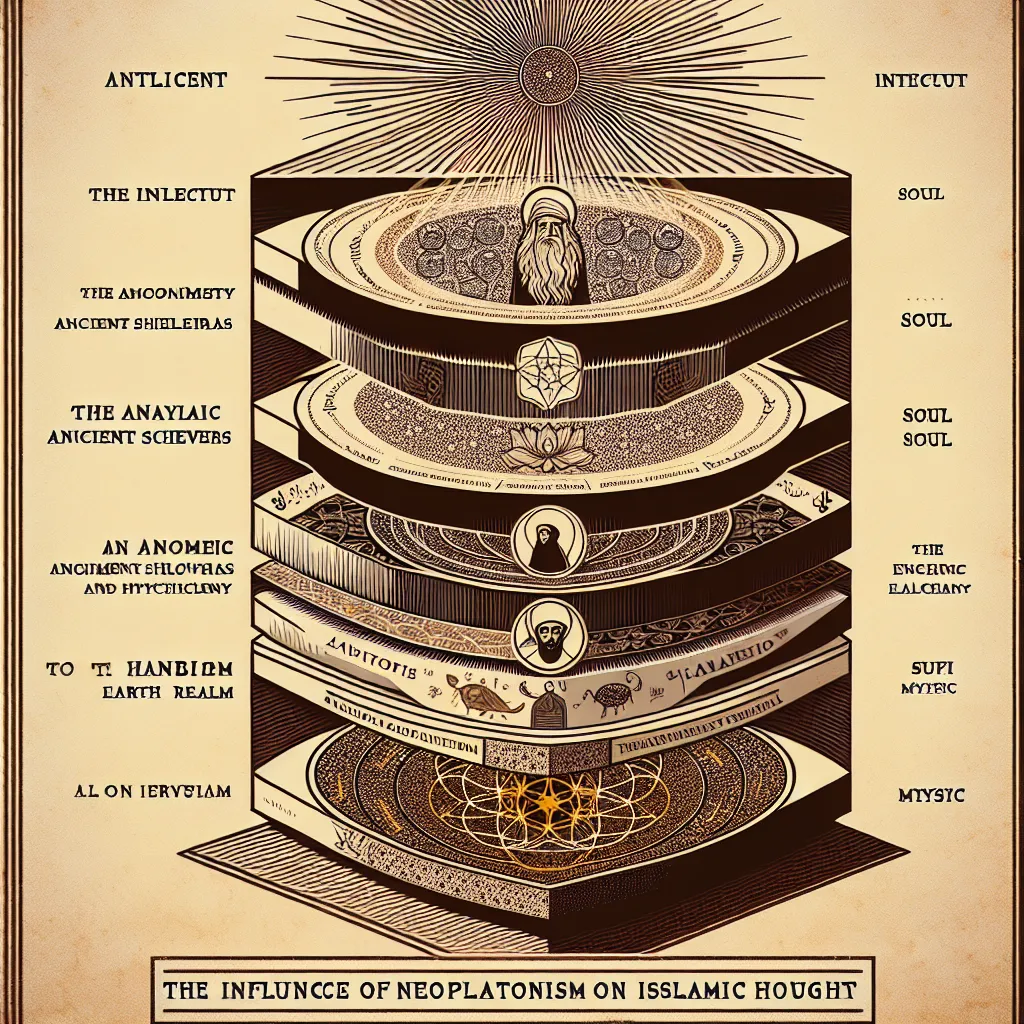
He criticizes literalist scholars who oppose scientific thought, advocating that wisdom and faith are not mutually exclusive. This view is evident in his esoteric interpretations of Quranic stories and his Neoplatonist influences, where he sees paradise and hell as spiritual states rather than physical places.
Nasir Khusraw’s writings remain influential and are studied for their philosophical depth and poetic beauty. They provide insight into medieval Muslim culture and the intellectual currents of the time. Reading Nasir can be both enlightening and entertaining, showcasing his confidence and occasional humor.
His legacy prompts us to consider the relationship between science and faith in today’s world, making him a figure worth exploring. Whether you agree with his ideas or find them outlandish, Nasir Khusraw is a significant historical figure whose works offer a rich vein of thought for anyone interested in philosophy, religion, and history. If you’re intrigued, picking up his works is highly recommended. What are your thoughts on Nasir Khusraw? Have you heard of him before? Let’s continue the conversation!