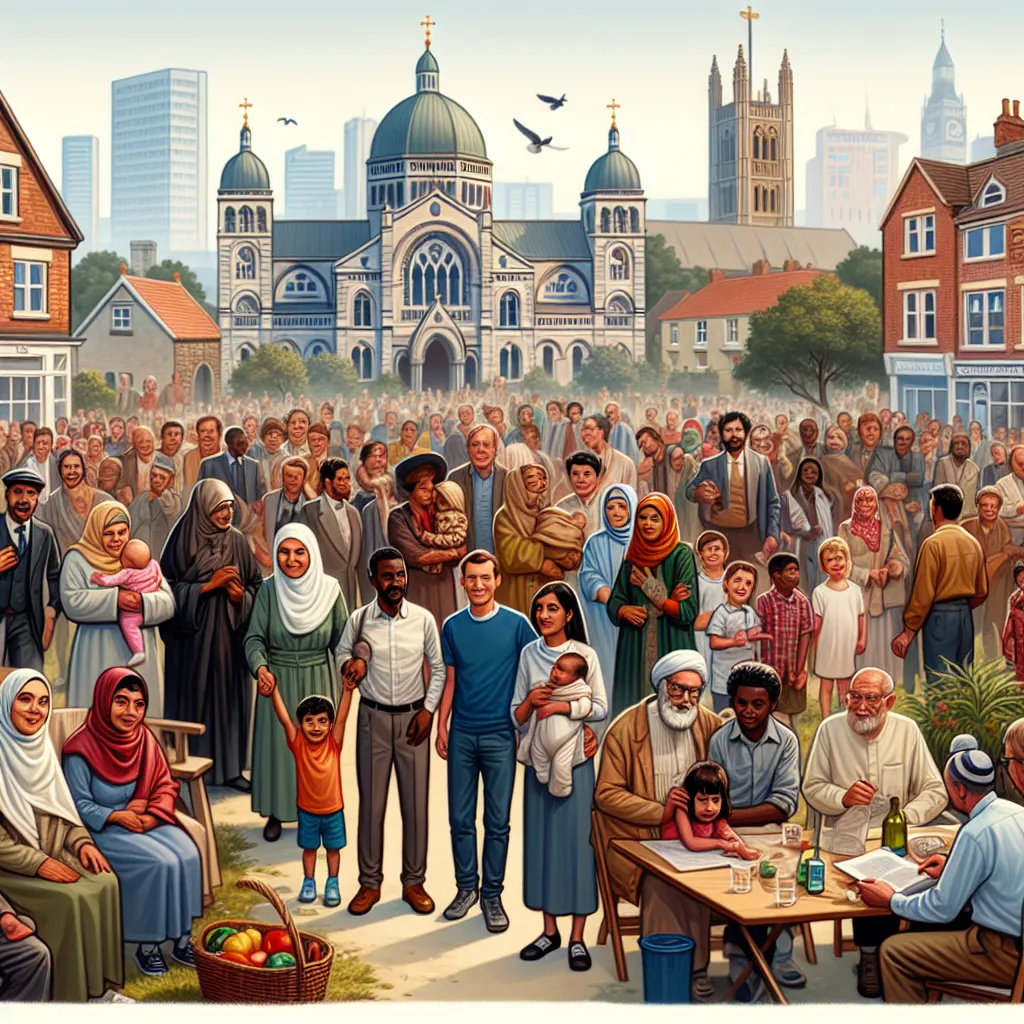
Religion is an inescapable part of society, shaping how we interact, especially when it comes to migration and globalization. This reality hit home back in 2015 during the refugee crisis, when many people from the Middle East and North Africa fled to Europe due to war and political instability. These new arrivals brought their families, cultures, and religions with them, sparking intense debates across the continent.
Migration isn’t a new phenomenon, but the 2015 crisis made everyone pay more attention. Opinions varied widely—some people welcomed the newcomers with open arms, while others were less enthusiastic. Regardless of where one stands, the smooth integration of these migrants into their new homes is a universal goal. For this to happen, it’s crucial to understand how migrants’ cultural and religious backgrounds impact their integration process.
Religion plays a pivotal role here, yet many people, including politicians, often overlook its importance. Increased religious literacy and a better grasp of how religion and migration influence each other are essential for developing effective immigration policies.
So, how does migration impact religion, and vice versa? Unfortunately, research on this topic is surprisingly limited, especially outside the United States. However, some findings do carry universal truths. First and foremost, cultures and religions are internally diverse. Migrants from the same place and religion can have very different relationships with their faith, impacting how they adapt to a new country.
Sociologist Peggy Levitt emphasizes this in her book, “God Needs No Passports,” arguing against the notion that cultures are monolithic. Migrants navigate their identities in complex ways, often merging their native cultural practices with those of their new environments.
Interestingly, research shows that migrants often become more religious after moving to a country where their faith is in the minority. This is a form of holding on to their identity amidst the unfamiliarity of their new surroundings. Their local religious community often becomes a “home away from home,” offering a sense of belonging and safety.
This dynamic is particularly evident when migrants feel marginalized in their new countries. In such cases, their religious communities provide a haven where their dignity and self-worth are upheld. Unfortunately, extreme marginalization can sometimes push individuals towards fundamentalism, although this is a rare occurrence.
Most migrants, however, find that religion plays a strong, supportive role in their new lives. They create sacred spaces through rituals that remind them of their cultural and religious roots. For example, Muslim communities I’ve spent time with in Stockholm engage in ritualization to make their new environment feel like home.
It’s crucial to remember that identities are multifaceted. Migrants often maintain strong ties to their countries of origin through transnational religious networks. These networks provide spiritual guidance and support, linking diaspora communities with their homeland’s religious life.
This interconnectedness means that the migrant experience also influences the home country’s religious practices, a feedback loop that remains underexplored. Migration shapes not only the lives of those who move but also the communities they leave behind.
In summary, migration and religion are deeply intertwined, affecting each other in various complex ways. Understanding this interplay is vital for crafting better immigration policies and fostering a more inclusive society. By acknowledging the multifaceted identities of migrants and the transnational networks they belong to, we can create opportunities for immigrants to thrive and feel welcomed.
Better religious literacy and an appreciation for the complexities of these identities are key to achieving this. Through such understanding, we can work towards a more harmonious and pluralistic society.
I’ll be back with more insights next time. See you then!