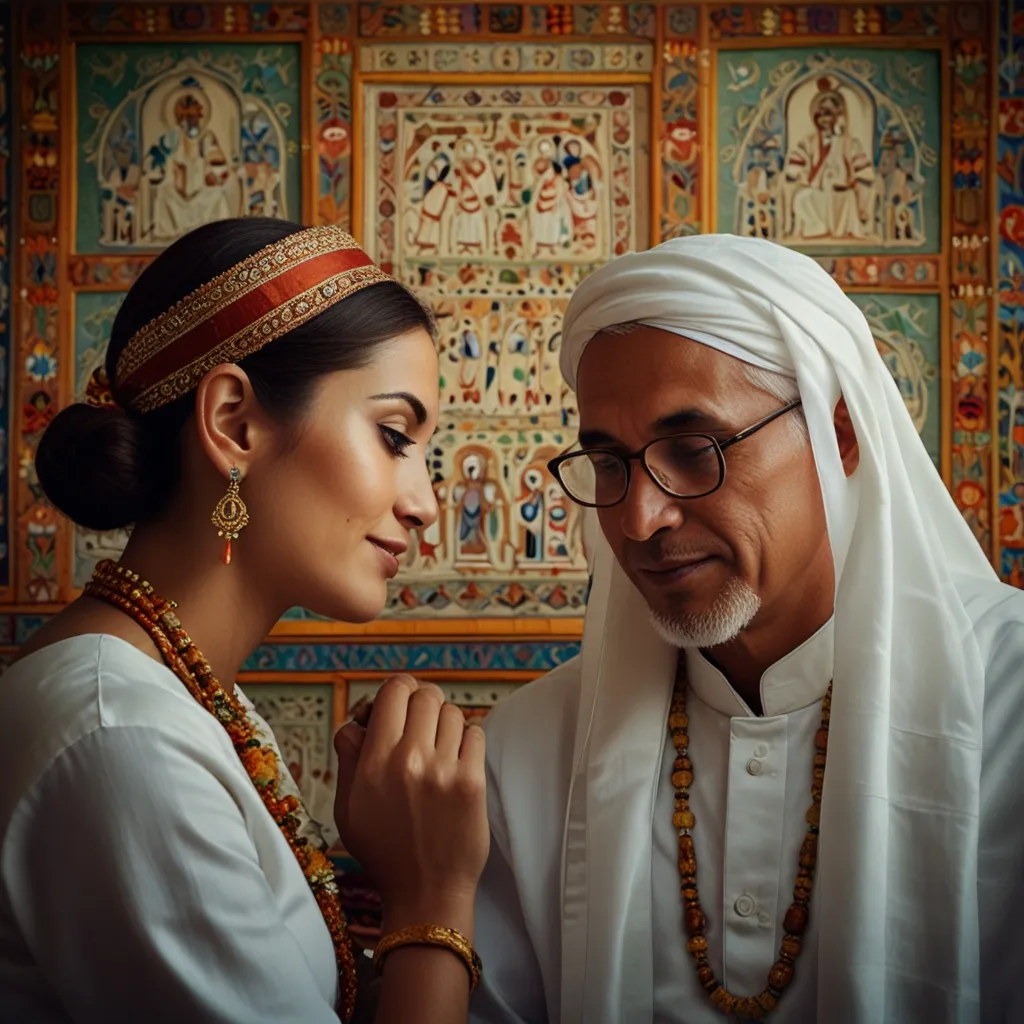
Marriage is something most of us think about at some point. It’s everywhere, from different religions to cultures, and everyone has their own way of doing it. Each religion brings its own spin on marriage, reflecting their beliefs, values, and traditions. Let’s take a casual stroll through how different religions view marriage and see what that means for family life.
In Christianity, marriage is seen as a sacred bond, almost holy. Especially in Catholicism, it’s considered one of the seven sacraments. This means the whole process is very serious and lifelong. The idea is to reflect God’s love and it requires mutual respect, love, and commitment.
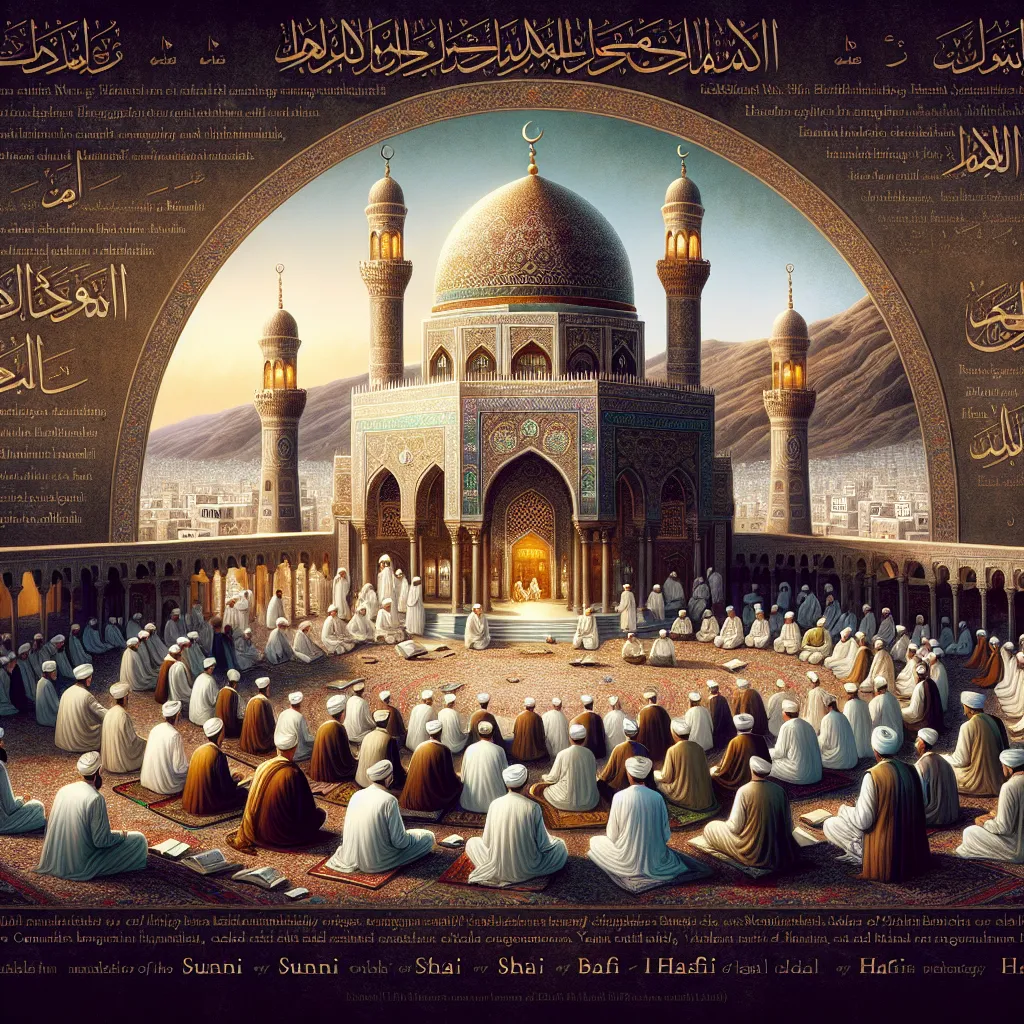
In Islam, marriage, or “nikah,” is more like a contract. There’s an official ceremony with witnesses and a dowry involves. It’s all about respect, trust, and cooperation. The Quran lays out guidelines for married life, making sure both spouses know their rights and duties.
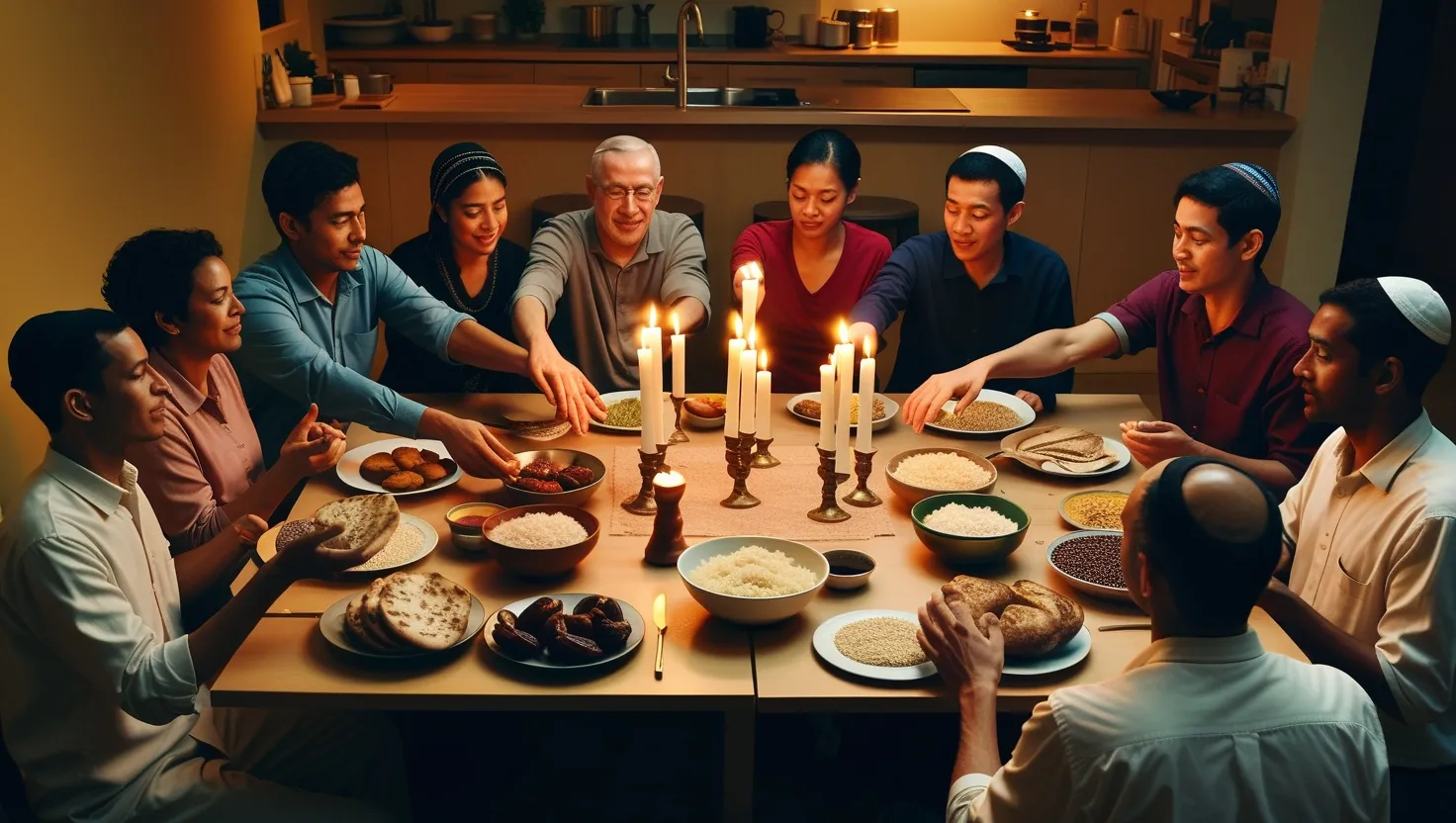
Judaism treats marriage as something special and joyful. They have ceremonies involving signing a “ketubah” and exchanging rings. Family is super important here and marriage is seen as crucial to a stable, loving home.
For Hindus, marriage is almost like a duty. The ceremonies are elaborate with lots of rituals and blessings. Hindu teachings push for balance in duty, wealth, pleasure, and spiritual liberation in married life. Arranged marriages are also quite common here, with families playing a big role in picking partners.
Buddhism doesn’t have a specific marriage ritual because it’s not a religious sacrament for them. However, they do perform ceremonies that fit their traditions. The focus is on mutual respect, understanding, and compassion, aiming for a harmonious relationship.
Sikhism sees marriage as a union of two souls. They have ceremonies involving sacred hymns and vows. The teachings stress equality, mutual respect, and shared responsibilities. Living a life full of honesty, integrity, and service to others is key.
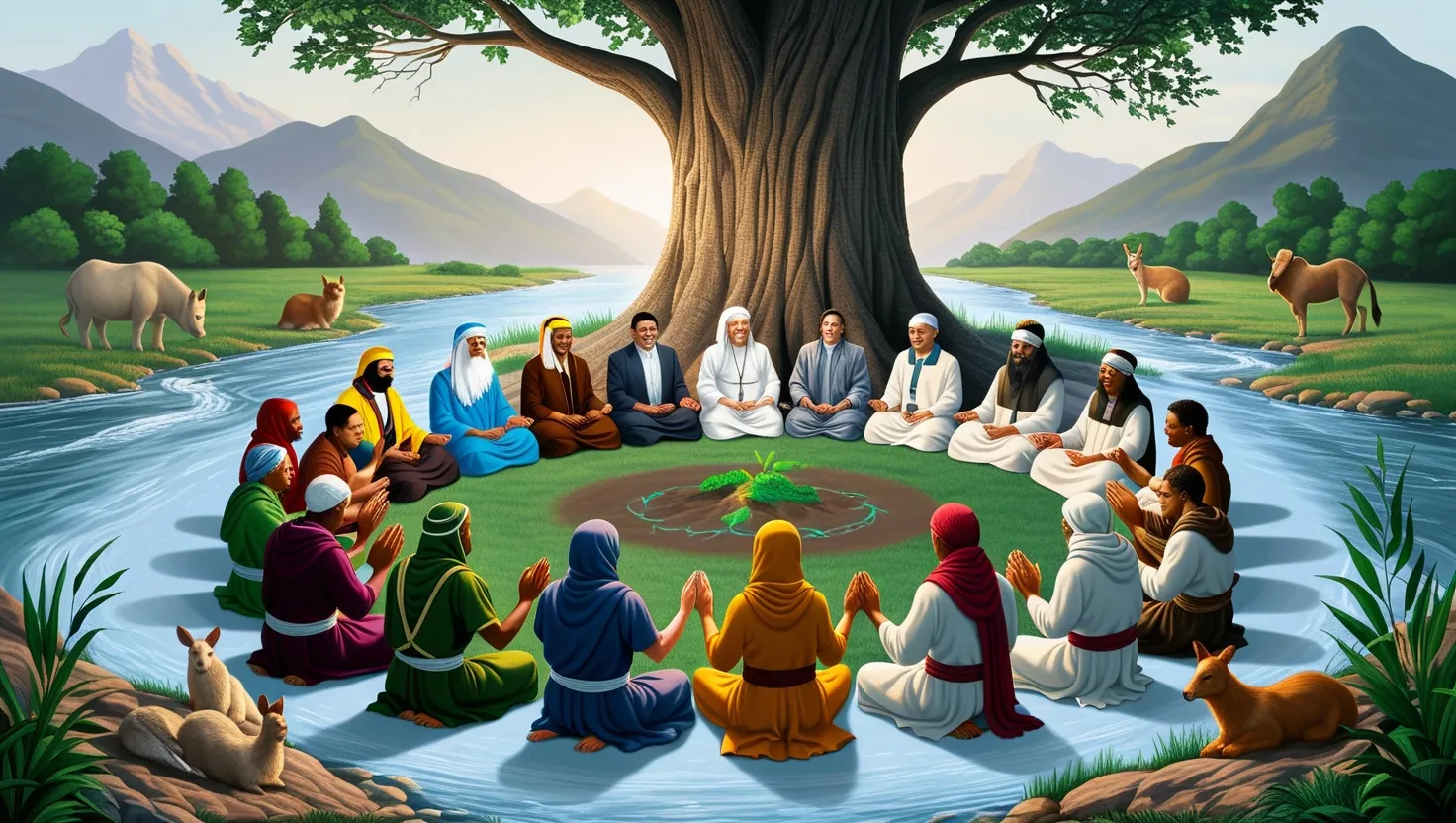
Interfaith marriages can be tricky but interesting. Some religions aren’t for it while others are okay with it. Couples from different religious backgrounds have to find a way to mix their beliefs and practices. With enough mutual respect, understanding, and compromise, interfaith marriages can work well.
Nowadays, there’s a lot of talk about religion in marriage. Some say it’s essential for a successful marriage because it provides a moral and spiritual framework. Others argue that religion can cause conflict and shouldn’t impose on personal beliefs within the relationship. The increase in interfaith marriages suggests we need more understanding and tolerance.
Legally, marriage is like a contract giving certain rights and responsibilities to the couple. Legal systems worldwide recognize this and offer protections and benefits. Socially, marriage is super important for providing stability and support to individuals and their children.
Culturally, marriage looks different everywhere. Arranged marriages might be the norm in one place, while another culture might let couples choose freely. The age of marriage can vary too, from early marriages being common in some cultures to marrying later being more the norm in others.
But it’s not all smooth sailing. Marriage faces challenges like gender inequality, domestic violence, and debates around premarital and extramarital relations. The rise of interfaith marriages brings up issues about religious tolerance and mixing practices within families.
So, marriage is pretty complex and different around the world. Still, the key ingredients of love, respect, and commitment seem universal. As society grows and changes, marriage will keep facing new hurdles and opportunities, needing more understanding, tolerance, and mutual respect among everyone.