How Did a Medieval Sufi Order Shape Politics Without Leaving Society?
Mystical Roads of the Naqshbandi: Balancing Tradition and Modern Influence
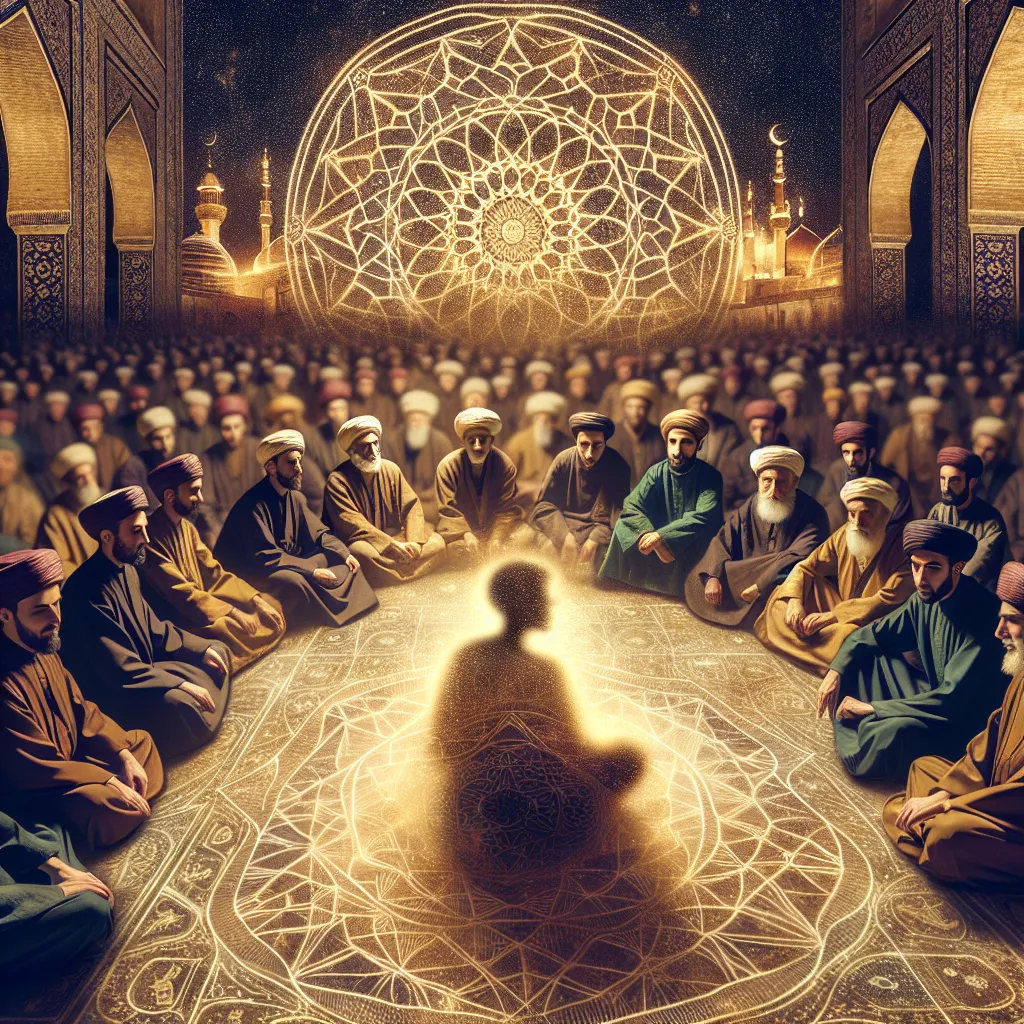
So, if you didn’t know, religions can be incredibly complex. The more you dive into them, the more there is to learn. Take Sufism, for instance. It’s a mystical tradition within Islam, and it’s got a lot of intricate diversity. Not all Sufis do things the same way or even believe the same things. There are different Sufi orders or “tariqas,” and they’ve become quite structured since around the 12th century.
One of the most famous Sufi orders is the Naqshbandi. It’s an old order dating back to the Middle Ages and is known for being one of the more traditional or “orthodox” groups. This order traces its roots back to a 14th-century Sufi saint named Baha’uddin Naqshband in present-day Uzbekistan. His teachings grew popular in places like Central Asia and India over the centuries.
What’s interesting about the Naqshbandi order is its chain of spiritual authority. They have two main chains, one through Ali, the Prophet Muhammad’s son-in-law, and another through Abu Bakr, the first caliph. This dual lineage makes their structure unique.
Sufi orders don’t usually have a distinct theology but are instead known for their unique practices. The Naqshbandi, for example, are famous for their practice of silent zikr, a type of remembrance of God done quietly in the heart rather than vocally. They believe this helps the soul focus more completely on God without distractions.
Another fascinating aspect of the Naqshbandi order is their principle of “solitude in the crowd.” This means being spiritually detached from worldly matters while still actively participating in society. So, unlike some other orders, there’s no retreating to a cave; they stay socially and politically active.
This active stance has often brought them close to political power, especially in places like Central Asia and India. In Mughal India, for example, they had a significant influence on the emperors, with some rulers even being part of the order.
The Naqshbandi order also became known for its strict adherence to Islamic law. In India, one of their most prominent figures, Ahmed Sirhindi, spoke against other Sufi practices he saw as too liberal or influenced by non-Islamic ideas. His branch of the order, known as the Naqshbandi Mujaddidi, became quite influential.
Despite being considered conservative, the Naqshbandi order has spread widely and remains influential today. They’re present in the United States, Europe, and many parts of Asia and the Middle East. Their ability to adapt while maintaining core principles has helped them stay relevant.
In a nutshell, the Naqshbandi order is a fascinating part of Sufi tradition, combining a strong spiritual focus with active social engagement. Their unique practices and historical influence make them a key aspect of Islamic mysticism worth exploring.