Did Ramanuja's Devotion Challenge the Philosophical Boundaries of Hinduism?
Ramanuja’s Philosophical Odyssey: Blending Devotion and Scholarly Pursuits in Hindu Thought
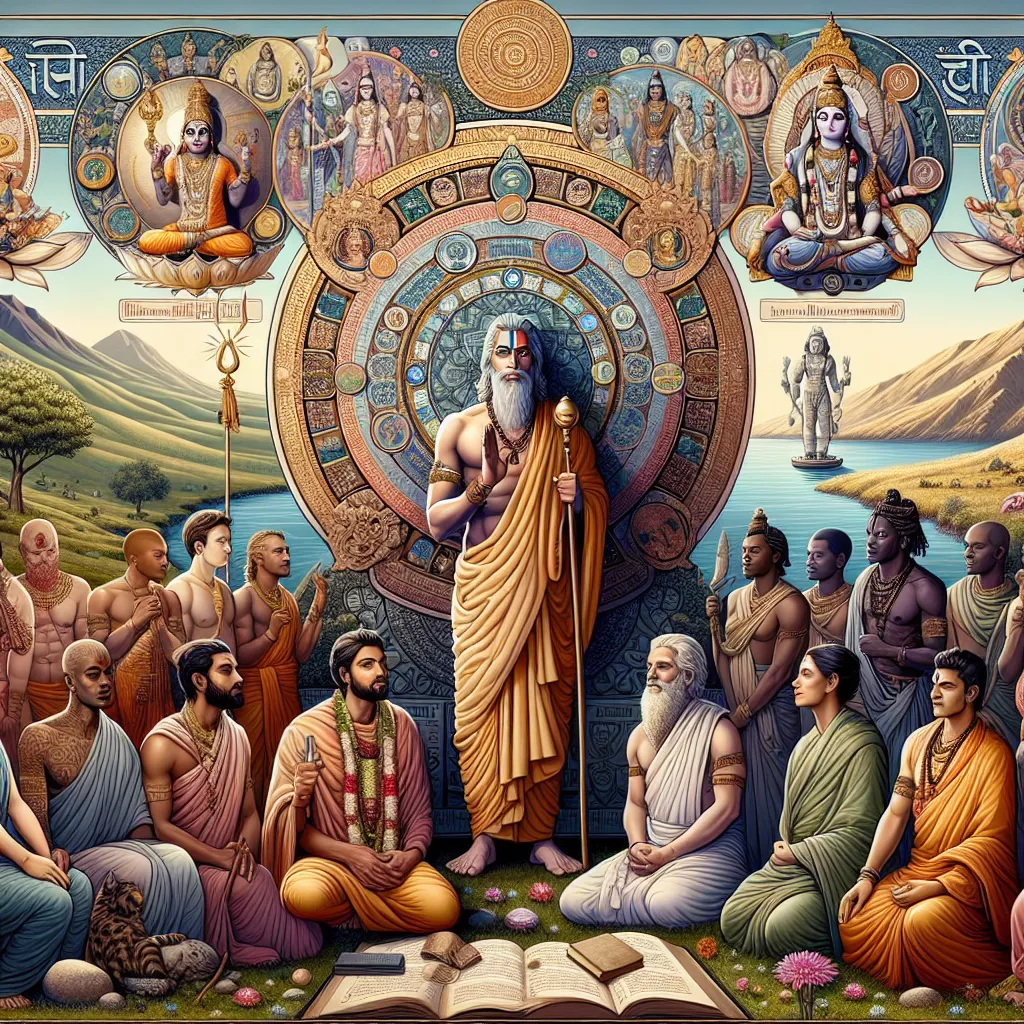
India, one of the most religiously diverse regions globally, has fostered numerous religious traditions under the broad umbrella of Hinduism, also known as Sanatana Dharma. Among these traditions, Vedanta stands out for its sophisticated scriptural exegesis of sacred texts like the Upanishads, the Brahma Sutras, and the Bhagavad-Gita. A prominent figure in this tradition is the sage and scholar Ramanuja, whose contributions have profoundly shaped devotional Hinduism.
Ramanuja, born in southern India near what is modern-day Chennai, is a key historical figure in the Hindu philosophical landscape. Known for his system called Vishishtadvaita (Qualified Non-Dualism), Ramanuja played a crucial role in the history of Sri Vaishnavism, which worships Vishnu as the Supreme God. Despite the lack of concrete biographical details, it’s believed Ramanuja lived during the 11th to 12th centuries, dedicating his life to the study and teaching of Vedanta.
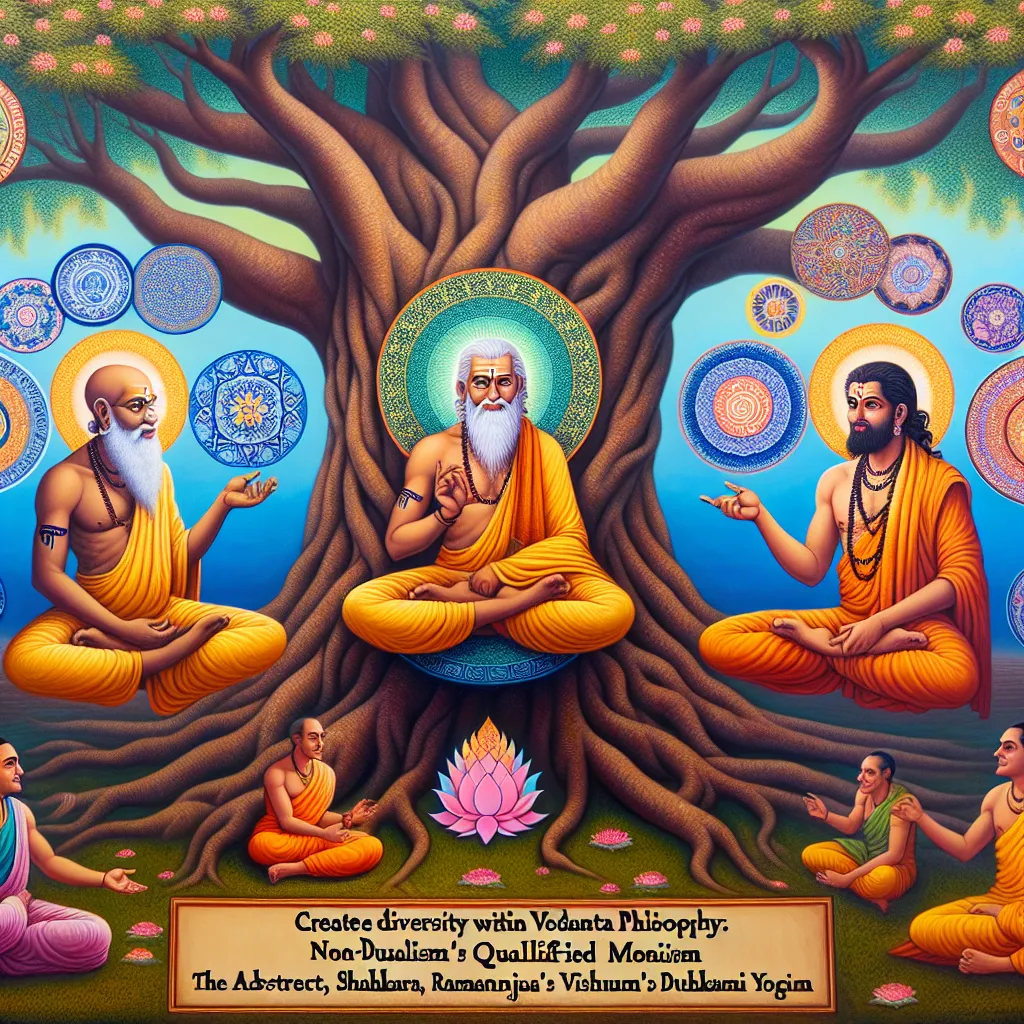
Raised in a Tamil environment rich with devotion towards Vishnu, Ramanuja studied Vedanta under Yadava Prakasha, a teacher inclined towards Advaita Vedanta, which advocates for a non-dual interpretation of the universe. However, Ramanuja didn’t agree with the impersonal view of God proposed by Advaita Vedanta. Instead, he believed in a personal God who could be worshiped, leading to tensions with his teacher.
Following his disagreements, Ramanuja pursued teachings under Yamuna and Mahapurna, both associated with the Bhakti (devotional) tradition. His intellectual prowess attracted many followers, and he became a significant religious authority, especially known for his criticisms of the caste system. He taught that sincere devotion to Vishnu could lead anyone, irrespective of caste, to liberation.
Throughout his life, Ramanuja traveled extensively, seeking and debating philosophical knowledge, and left a lasting legacy with his writings. His most significant work, Sri Bhasya, a commentary on the Brahma Sutras, alongside other writings, harmonized the Bhakti tradition with Vedanta’s philosophical rigor.
In contrast to Advaita Vedanta, which views individuality and the world as illusions, Ramanuja’s Vishishtadvaita posits that while the world and individual souls are real, they are dependent on and unified with God (Vishnu), who is the ultimate reality. This perspective allowed for a personal, devotional relationship with God, which was central to Ramanuja’s teachings.
Ramanuja’s strong emphasis on Bhakti or devotion, as the true path to liberation, opposed Advaita Vedanta’s focus on knowledge (Jnana) as the means to realize one’s identity with Brahman. By advocating for a personal God with attributes, Ramanuja upheld the importance of prayers, rituals, and personal devotion in the quest for liberation.
Ramanuja’s influence extends beyond his lifetime, profoundly shaping Vaishnavism and broader Hindu devotional practices. His intellectual contributions provided a robust philosophical foundation for devotional Hinduism, blending deep theological insights with popular devotional practices. Today, his teachings continue to inspire and guide countless devotees, solidifying his place as one of the most significant thinkers in Hinduism’s rich history.