Curious About the Core of Islam? Discover the Five Pillars That Unite Millions
Five Pillars: The Spiritual Framework That Defines Muslim Life
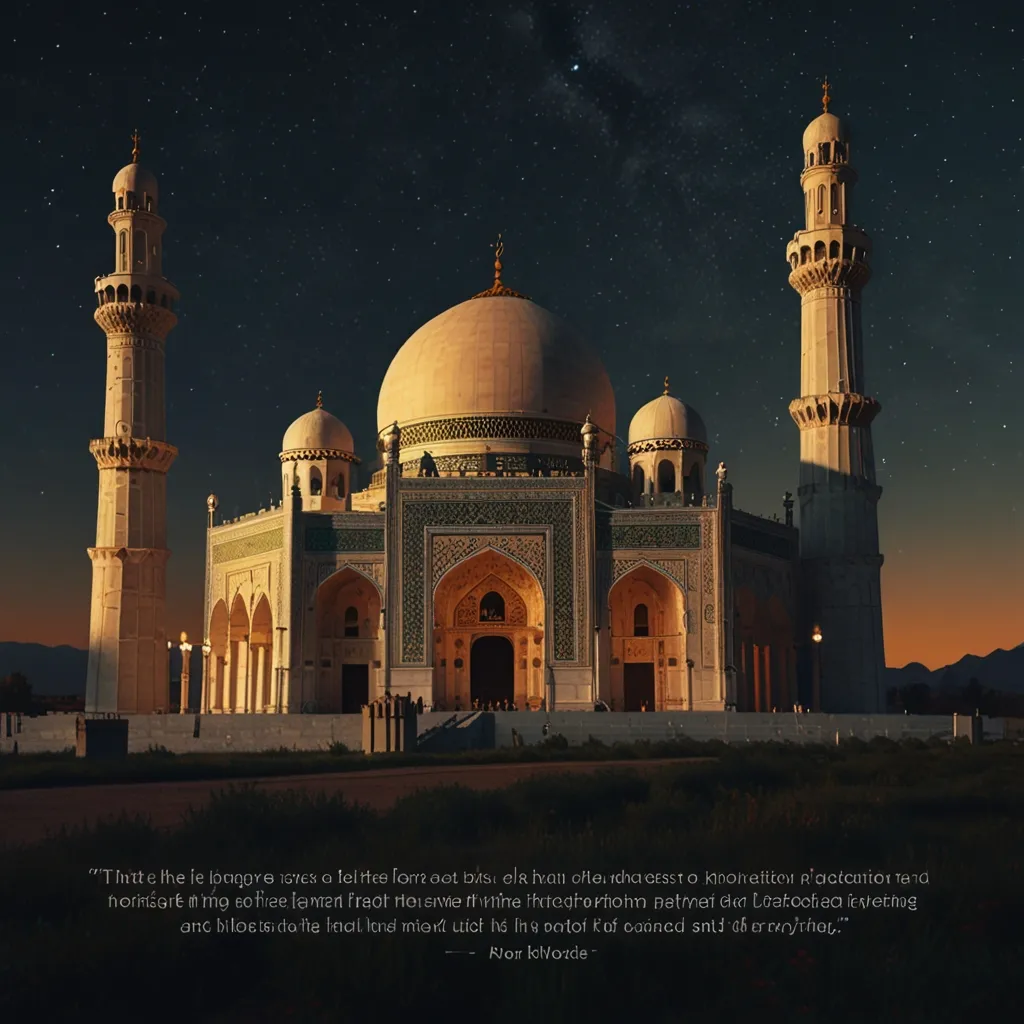
Islam is all about unity and submission to God, with the Five Pillars of Islam at its core. These pillars— the declaration of faith, prayer, alms-giving, fasting, and pilgrimage—are the bedrock of Muslim beliefs and practices.
The declaration of faith, or Shahada, is the starting point for every Muslim. It’s a simple yet powerful statement: “There is no God but God, and Muhammad is His Messenger.” This isn’t just words; it’s the essence of being a Muslim. Reciting it three times in front of witnesses officially makes one a follower of Islam.
Praying, or Salah, is another fundamental part. Muslims pray five times a day, always facing Mecca. It’s a set routine of actions—bowing, kneeling, and touching the forehead to the ground. It happens every day, but Fridays are special with the Jum’a (congregational prayer), which includes a sermon and group worship.
Alms-giving, known as Zakat, is a way for Muslims to share their wealth with those who need it most. It’s an obligatory act of charity where a portion of one’s surplus wealth is donated. This isn’t just a nice thing to do but a duty that underscores the importance of helping the less fortunate.
Fasting, or Sawm, is observed every year during Ramadan. From dawn to dusk, Muslims abstain from food, drink, sexual activity, and smoking. It’s not just about going without; it’s a time of deep reflection and gratitude. It also serves as a powerful reminder to aid those who are struggling. Certain groups, like the elderly or pregnant women, are exempt from fasting.
The final pillar is the pilgrimage to Mecca, called Hajj. Every Muslim who is able—physically and financially—should make this journey at least once. Hajj is more than just a pilgrimage; it’s a series of sacred rituals and traditions following the footsteps of the Prophet Muhammad. The central focus is the Kaaba, a cube-shaped structure that Muslims believe was built by Abraham.
Understanding these Five Pillars can really help bridge gaps and clear up misconceptions about Islam. For instance, knowing why a Muslim colleague needs prayer breaks or support during Ramadan or Hajj can foster better relationships and show respect for their faith.
In a nutshell, the Five Pillars are the heart of Islamic faith and practice: declaration of faith, prayer, alms-giving, fasting, and pilgrimage. They’re universally observed by Muslims, uniting them in their devotion and submission to God.