Is Frank Herbert's Dune Universe the Most Complex Sci-Fi World Ever Created?
Exploring the Spiritual and Philosophical Depths within the Sands of Dune
Frank Herbert’s Dune universe has recently captured the imaginations of moviegoers everywhere with the release of the latest films. It’s no wonder, given that the original books by Frank Herbert are considered masterpieces of science fiction literature. The first book, in particular, has forever etched its place in the genre. Herbert’s creation is a vast, deeply engaging world that explores themes including religion, philosophy, ecology, and politics.
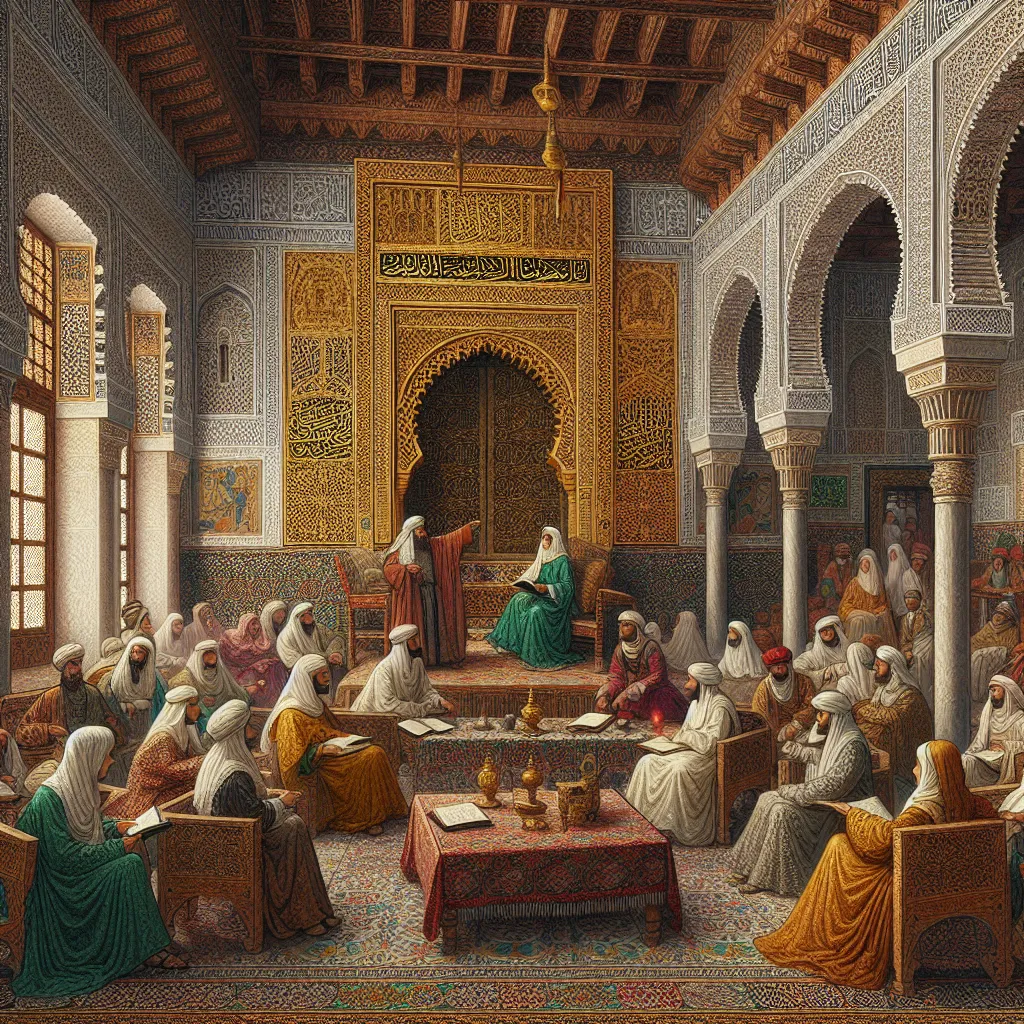
For those who have watched the movies, terms like “Muad’Dib” and “Lisan al-Gaib” might sound familiar. Herbert drew inspiration from many different religious traditions and particularly from Middle Eastern and North African cultures. Themes related to Islam and Sufism are threaded throughout the Dune series, which provides a fascinating lens through which to explore this complex universe.
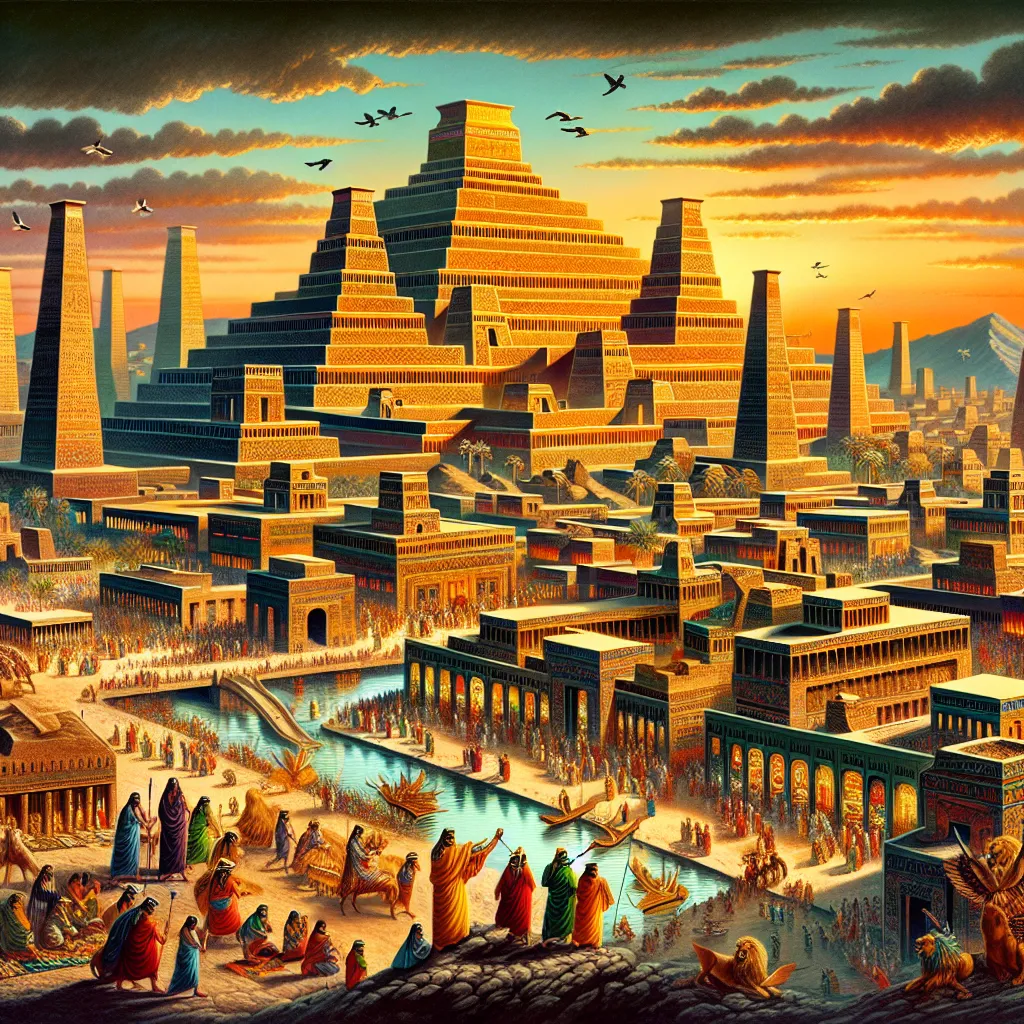
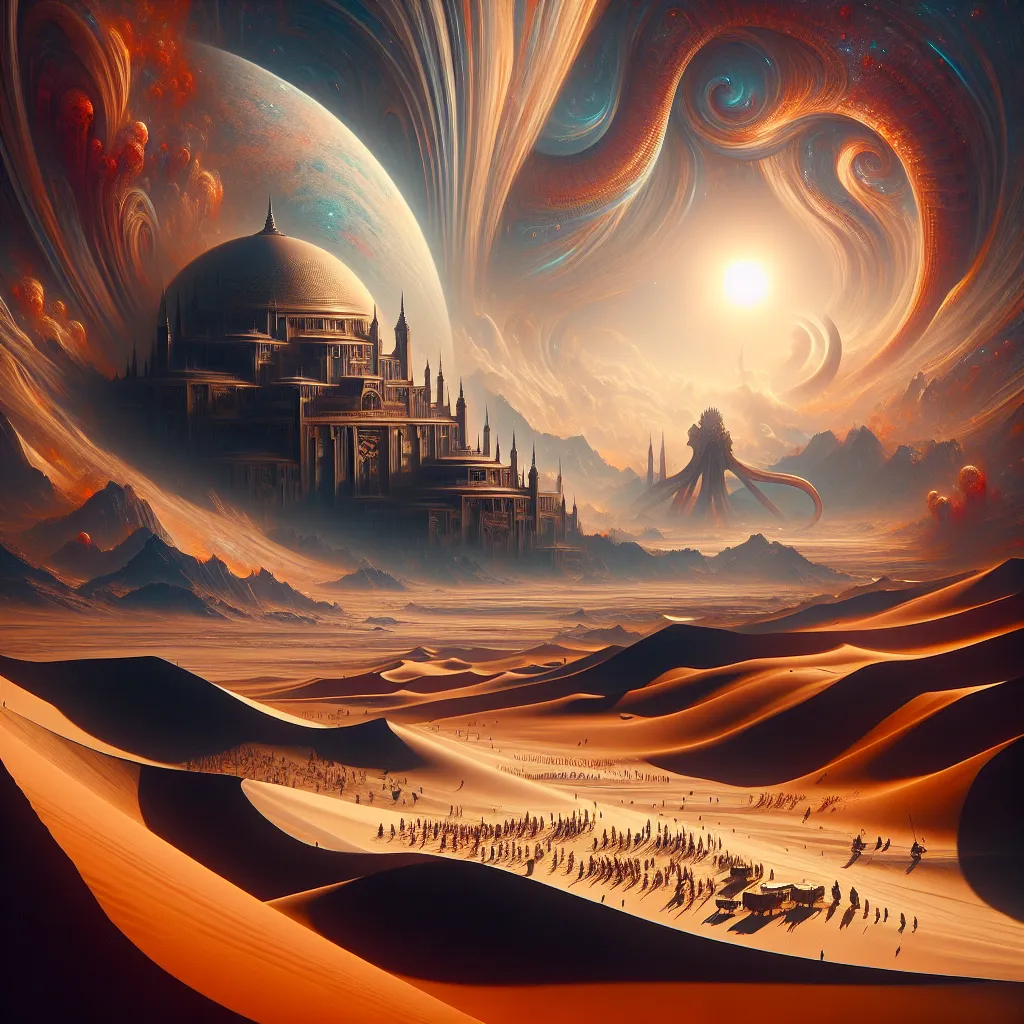
Dune revolves around the desert planet Arrakis, where the coveted substance “spice” is found. This spice is not only valuable for its use in space travel but also hallucinogenic, profoundly affecting those who consume it. The political intrigue among various houses vying for control of Arrakis to monopolize the spice trade is one of the core aspects of the story. A famous quote says it all: “He who controls the spice controls the universe.”
On Arrakis, the native Fremen are oppressed by external powers vying for control but are also waiting for a prophesied savior, the “Mahdi.” Real-world parallels like colonialism and messianism are evident. Herbert’s understanding of these religious and cultural themes adds a rich layer of authenticity and complexity to his narrative.
Frank Herbert himself was a man of many interests, from ecology to religion, and it’s clear that his comprehensive understanding of various domains made its way into the Dune series. Mentioning real-world influences like Carl Jung, Sigmund Freud, and Islamic scholars, Herbert created a universe where political, philosophical, and ecological concerns intermingle seamlessly with religious themes.
The Fremen’s culture in Dune is steeped in Islamic tradition, echoing the lives of Arab and Berber tribal cultures. Terms like Mahdi and Lisan al-Gaib are Arabic and rooted in Islamic beliefs. The Mahdi represents a redeemer who will bring justice, a concept strongly present in both Sunni and Shia Islam.
Paul Atreides, or Muad’Dib, becomes identified as this messianic figure, showing the depth of Herbert’s religious foundations. Paul’s journey mirrors real historical religious figures who claimed prophetic or messianic roles, revealing the complex dynamics of faith and power.
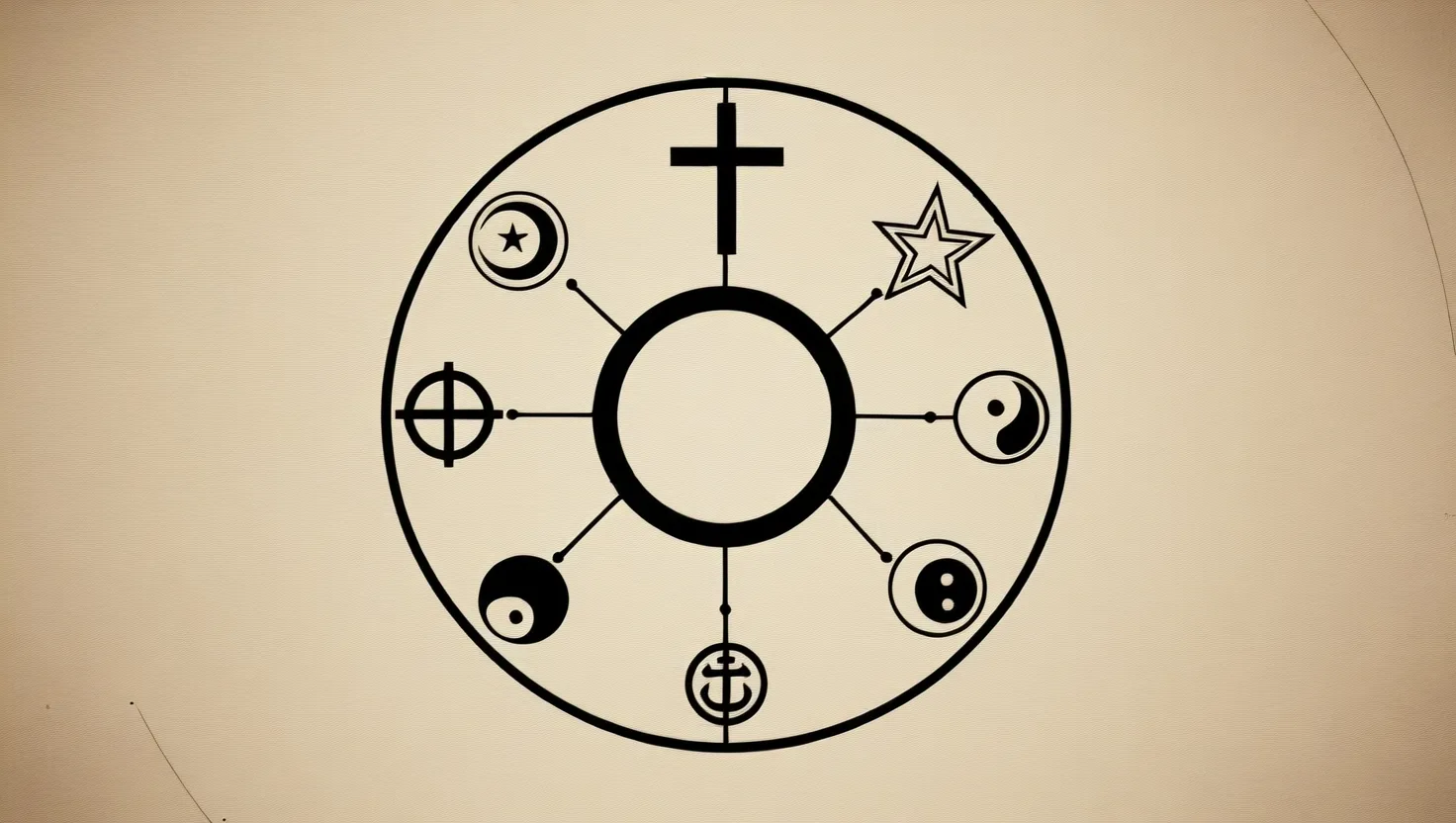
Herbert explores how religion can evolve and influence societies, sometimes merging different traditions into something new. In Dune’s universe, this idea of perpetual change is symbolized by the Orange Catholic Bible, a synthesis of many real-world religions. This comprises a holy text in the galaxy, mixing elements from Christianity, Islam, Buddhism, and more.
Yet, the history of this universe also includes catastrophic events like the Butlerian Jihad, where humans rose against thinking machines, resulting in a prohibition against creating AI. This narrative thread allows Herbert to delve into the implications of artificial intelligence and human consciousness.
The Fremen’s religious beliefs, centered around the sandworms known as Shai-Hulud, showcase Herbert’s depth of world-building. The Fremen see these creatures as divine, which ties into their spiritual practices and survival techniques on their harsh desert home. Elements like the “alam al-mithal,” a mystical world akin to Sufi’s imaginal realm, show the intricate weave of religious and mystical themes in Dune.
Among the significant players in this universe are the Bene Gesserit, an all-female order that manipulates events from the shadows. Their goal of breeding a “Kwisatz Haderach,” or a male Bene Gesserit with unparalleled powers, underscores the theme of control through religion.
Even though religion can inspire profound beliefs and actions, Dune also presents it as a tool for manipulation, portraying the dual-edged nature of spiritual power. The Fremen’s belief in a messianic deliverer is manipulated by the Bene Gesserit for their purposes.
The universe Herbert created is dense with references to real-world religious and philosophical concepts, providing fertile ground for analysis and appreciation. As captivated as I’ve been by Herbert’s intricate world-building and the stunning new films, it’s clear that Dune’s religious and philosophical themes remain a compelling aspect of its timeless allure.