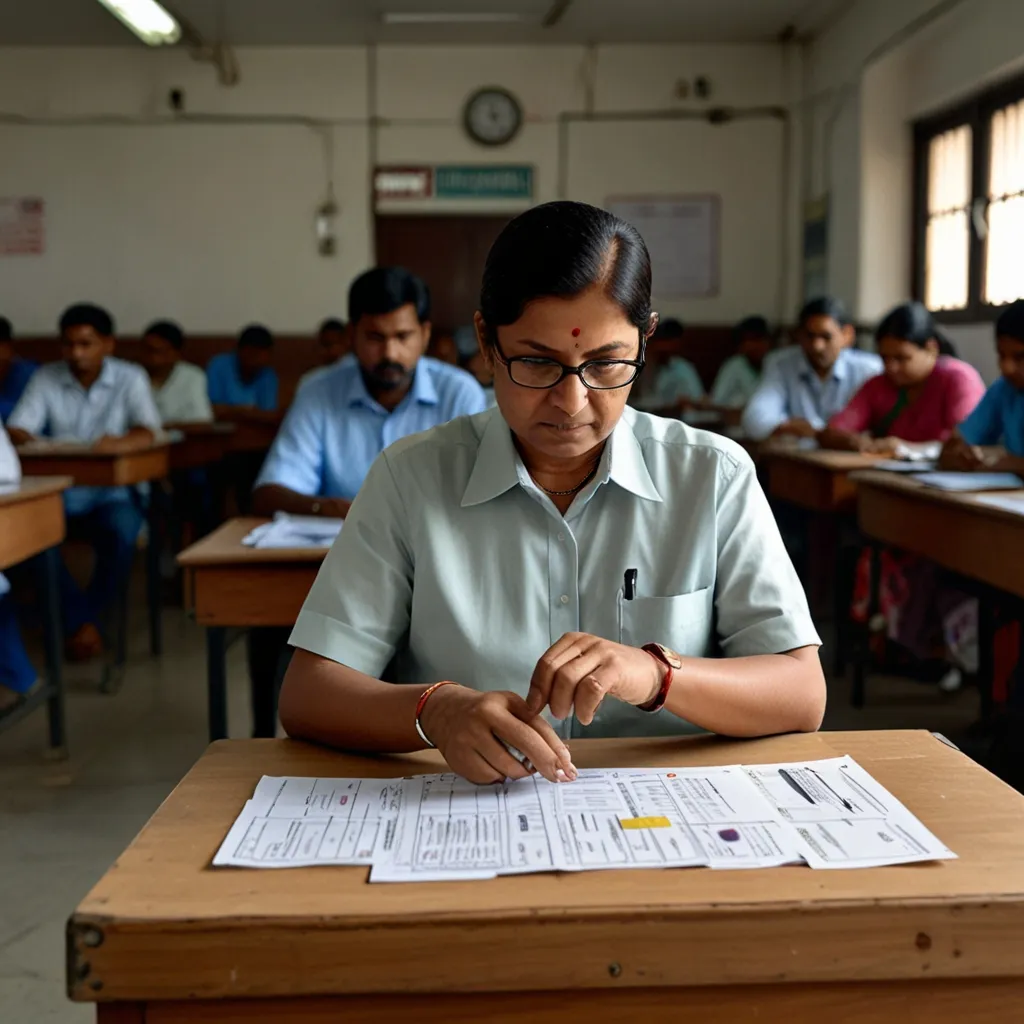
The Election Commission of India (ECI) is super important for keeping India’s democracy running smoothly. Set up under Article 324 of the Indian Constitution, this body makes sure elections for spots like the Lok Sabha, Rajya Sabha, state legislatures, and the President and Vice President are fair and square.
The ECI’s job starts from creating voter lists to announcing election results. It keeps an eye on political parties and candidates to ensure everyone’s playing by the rules. If someone breaks the rules, the ECI has the power to kick them out of the race.
At the top, the Commission is run by a Chief Election Commissioner and two Election Commissioners, all appointed by the President of India. They make the big calls on how elections are run. Working with Chief Electoral Officers across states, they keep everything on track.
Voter registration is another big deal for the ECI. They make sure everyone’s on the list and update it regularly. They also educate people about their voting rights and why voting matters. This helps voters know what’s up and keeps everyone included.
Keeping elections clean involves strict rules on campaign money and ads. Candidates have to report their spending, and the ECI makes sure there’s no funny business. This transparency keeps things fair.
Tech also plays a part. The ECI uses electronic voting machines (EVMs) and voter paper trails (VVPATs) to get accurate results. They test these systems before elections to avoid glitches.
The ECI doesn’t just work within India. It shares its election know-how with other countries, helping spread good election practices and democratic values worldwide. This international cooperation shows India’s commitment to democracy on a global scale.
For voters, the ECI has a handy mobile app called ‘Voter Helpline.’ It makes it easy to check if you’re on the voter list, submit forms, and raise any concerns. The app also keeps you in the loop with the latest election news, events, and updates, bringing the voting process into the digital age.
In a nutshell, the Election Commission of India is the backbone of India’s democracy. By ensuring free and fair elections, the ECI keeps the democratic spirit alive and makes sure every citizen’s voice counts.