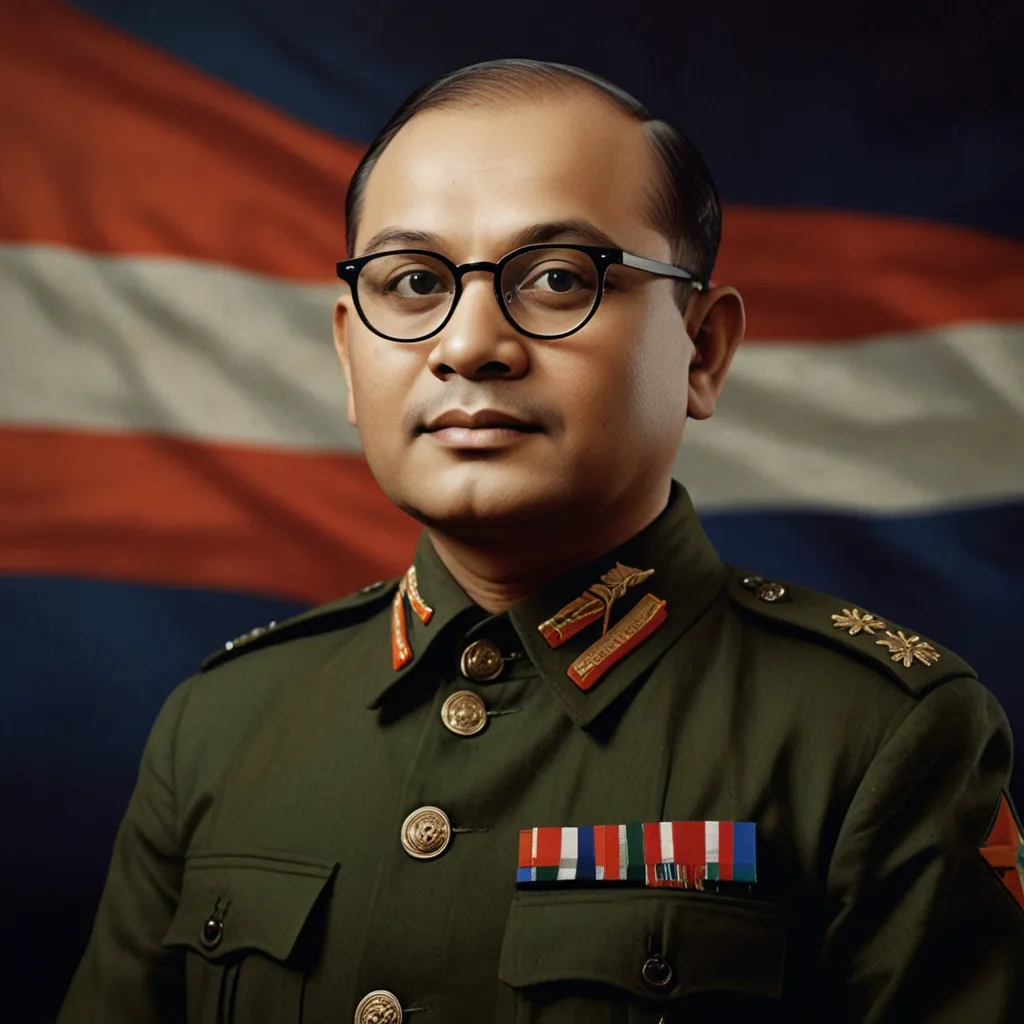
Subhas Chandra Bose, known to many as Netaji, played a huge role in India’s fight for freedom from British rule. Born on January 23, 1897, in Odisha’s Cuttack, Bose was one of 14 kids in the family. His father, a successful lawyer named Janakinath Bose, made sure Subhas and his siblings got the best education available. Starting at the Baptist Mission’s Protestant European School at just five, Bose was schooled in subjects like English, Latin, and British history, although he didn’t learn any Indian languages there. This education set the stage for his future in politics.
Bose’s early years were filled with a strong sense of nationalism. His mom, Prabhabati Bose, taught him to respect Indian culture and traditions deeply, and even though his dad wasn’t around much, the family values and a need to serve the public stuck with him.
Bose’s political career kicked off in the early 1920s when he joined the Indian National Congress. Rising quickly, he became a key leader in the independence movement. His radical approach often clashed with Mahatma Gandhi’s strategy of non-violent resistance, but despite their differences, Bose remained a vital part of the Congress. In 1938, he even became its president.
As president, Bose pushed for industrialization and socialist policies, which didn’t sit well with Gandhi’s more conservative economic views. These differences caused a split, and Bose eventually formed the Forward Bloc—a more radical group within the Congress. However, his time was cut short as he was frequently arrested and jailed by the British.
In 1941, Bose managed a dramatic escape from house arrest in Calcutta and found his way to Germany, seeking help from Adolf Hitler. Later, he moved to Japan and formed the Indian National Army (INA), also known as the Azad Hind Fauj. The INA was made up of Indian soldiers who had deserted the British Indian Army. With Japan’s backing, Bose led the INA in battles across Southeast Asia, aiming to free India from British control.
The efforts of the INA were significant as they showed Indians could fight for their freedom. Though they were ultimately defeated, their actions made it clear to the British that maintaining control over India was getting harder, especially with the pressures of World War II.
Bose’s leadership and the bravery of the INA inspired many Indians to join the independence movement. His slogans “Jai Hind” and “Chalo Delhi” became powerful rallying cries. Even in defeat, Bose’s legacy lived on, motivating future generations.
Bose’s multifaceted contribution to India’s independence was undeniable. He didn’t just lead a military force against the British; he also rallied public opinion and sought international support. His controversial alliances with Germany and Japan highlighted his relentless pursuit of freedom.
Bose tragically died in a plane crash on August 18, 1945, near Taipei, a death surrounded by mystery. Yet, his impact on India’s independence is crystal clear. He devoted his life to the cause of freedom, leaving an indelible mark on the nation.
Over the years, Bose’s popularity has only grown. More Indians now recognize his crucial role in the fight for independence. He is remembered not just for his military efforts but as a symbol of resistance and unwavering commitment to freedom that defined India’s struggle for independence.