Did Love and Devotion Transform Medieval India?
Love, Devotion, and Unity: Beacons of the Medieval Indian Spiritual Renaissance
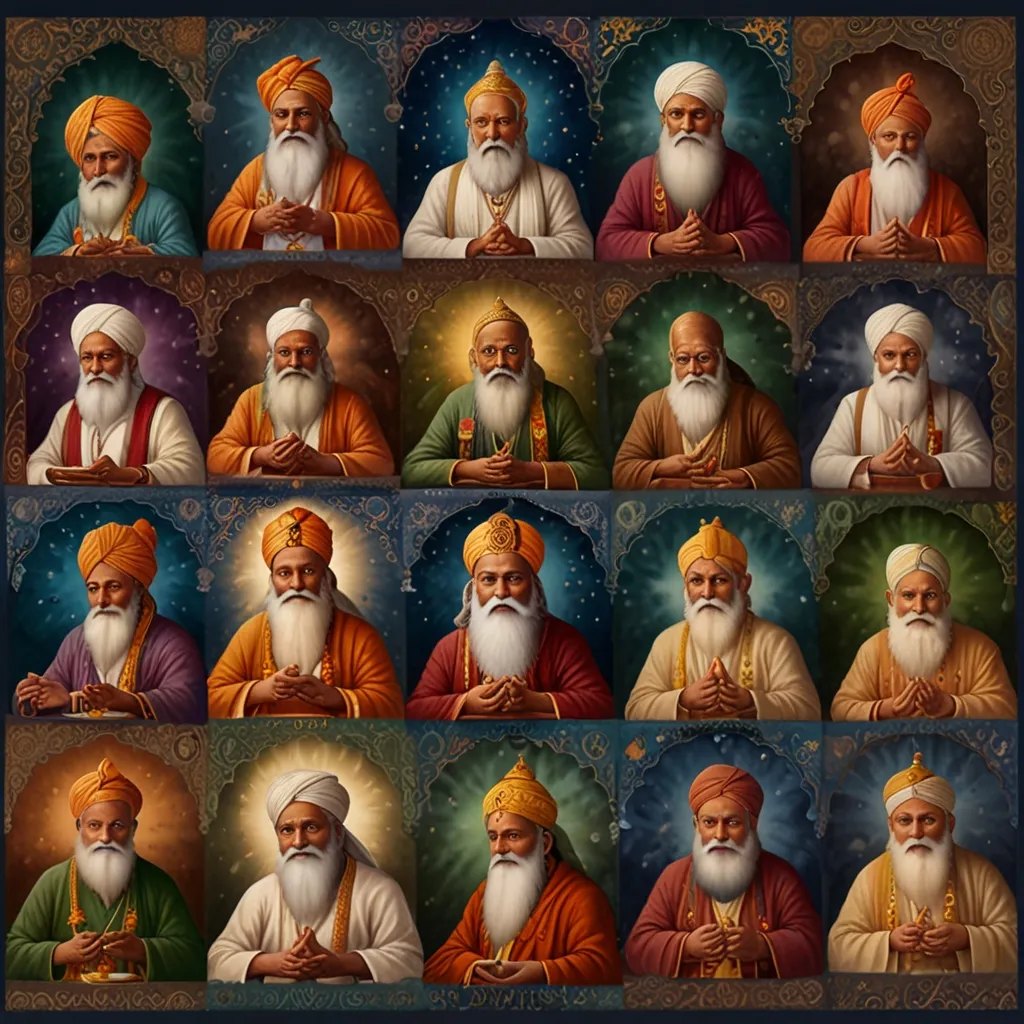
The Bhakti and Sufi movements were two significant spiritual waves that transformed India during the medieval period. These movements aimed to spread love, devotion, and unity among people from all walks of life, despite coming from different religious traditions.
The Bhakti movement kicked off in southern India, focusing on personal devotion to a deity. It emerged as a reaction against the rigid rituals and caste system in traditional Hinduism. Bhakti saints believed that true devotion came from love and faith, not elaborate rituals.
One of the earliest and key figures in this movement was Shankaracharya, an 8th-century mystic poet-saint. His Advaita philosophy preached that the ultimate reality is a unified consciousness. Then there was Ramanuja in the 11th century, who taught that God is a personal deity with attributes and promoted the worship of a personal god.
The movement also saw many other notable saints like Ramananda, known for his devotion to Lord Ram and his rejection of the caste system. Women played crucial roles too. Akkamahadevi, a 12th-century saint, was a fervent devotee of Shiva. Mira Bai, a Rajput princess, left her royal life to follow Lord Krishna and expressed her devotion through poetry.
On the other hand, the Sufi movement started in the 14th century within Islam. Sufi saints, known as dervishes, focused on love and devotion to God through personal experience and spiritual practices, rather than strict religious laws.
Khwaja Moinuddin Chishti, a 12th-century Sufi saint, was famous for his compassion and teachings on love and service to humanity. Baba Farid, another influential saint from the 13th century, emphasized the inner dimension of faith and self-discipline.
Both the Bhakti and Sufi movements had a lasting impact on Indian culture. They promoted religious tolerance and questioned the rigid caste system. Saints like Kabir and Guru Nanak championed universalism, critiquing religious dogma and fostering unity among different faiths.
The movements gave a massive boost to Indian literature and music. Bhakti poetry in languages like Tamil and Marathi thrived, while Sufi music and poetry blended Indian and Persian traditions. Temples like Khajuraho and Sufi shrines like the Dargah Sharif in Ajmer became centers of artistic excellence.
These movements also brought about important social reforms. Saints like Chaitanya Mahaprabhu and Eknath advocated for social justice and compassion. Sufi orders engaged in philanthropy and welcomed people from all backgrounds, promoting social integration.
The Bhakti and Sufi movements have left an enduring legacy in Indian society. They promoted love, devotion, and unity, crossing religious boundaries and inspiring people even today. Their teachings of love and social integration remain the cornerstones of Indian society.