Can Coalitions Keep India's Diverse Democracy Together?
Dancing to the Tune of Unity: The Chaotic Harmony of India's Coalition Governments
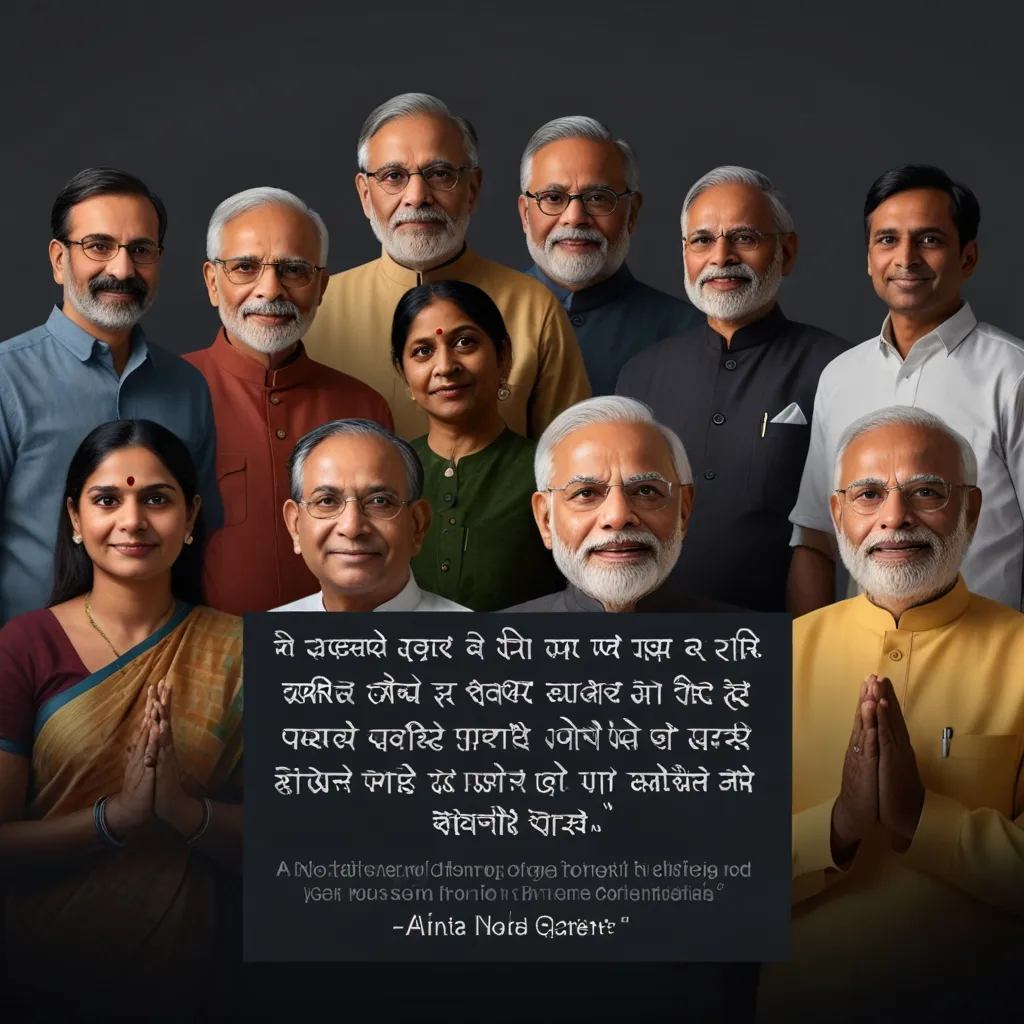
Coalition governments in India have become pretty standard, especially since the Congress party’s decline after the 1967 elections. This shift brought a multi-party system where various political parties team up to form a government. The idea behind a “coalition” is about uniting different parts into one whole.
In India, a coalition government forms when no single party secures a majority of votes. So, two or more parties, which together have enough members to form a majority, agree on a common program to govern. This usually means compromising on individual policies to reach shared goals.
The history of coalition governments in India is filled with both successes and hurdles. Initially seen as unstable and conflict-prone, these governments have taught coalition partners to balance competing interests and cooperate better over time. The National Democratic Alliance (NDA) and the United Progressive Alliance (UPA) are prime examples of successful coalitions.
Coalitions are flexible and can reform as political interests change. They typically work on a minimum program that isn’t perfect for each partner but helps them seize power and govern. Pragmatism often drives these political moves, as staying in the coalition might mean setting aside some principles.
In India, coalitions can take shape either before or after elections. Pre-poll coalitions give parties a common platform to campaign together, while post-election coalitions share political power to run the government. Both the NDA and UPA are good examples of post-election coalitions that have effectively governed the country.
Despite the challenges, coalition governments have their perks. They promote consensual politics, which mirrors the diverse opinions of the people. This is super important in a country like India, where different regions and communities each have unique political preferences. Coalition governments also encourage dialogue and compromise, leading to more inclusive and fair policies.
However, they aren’t without downsides. They can be fractious and unstable due to differing beliefs among the parties involved. This can cause policy paralysis and ineffective governance as constant compromises are sometimes needed.
Coalition governments in India stem from the lack of a proportional representation system, common in many Western countries. The first-past-the-post system often results in regional political strongholds, making coalitions a practical way to represent the country’s pluralism.
For instance, the Modi 3.0 coalition government has faced its struggles in balancing its “Neighbourhood First Policy” with the interests of its coalition partners, underlining the need for effective communication and cooperation.
In conclusion, coalition governments in India reflect the nation’s political diversity and the need for inclusive governance. While they come with challenges, these governments also bring opportunities for consensus-based decisions and fairer representation of the electorate. As India continues to politically evolve, coalitions will play a crucial role in shaping the country’s future.