Unlock Your Perfect Diet: DNA-Based Nutrition Revolutionizes Health and Wellness
Discover personalized nutrition through DNA testing. Learn how genetic insights can optimize your diet, prevent diseases, and improve overall health. Click for more.
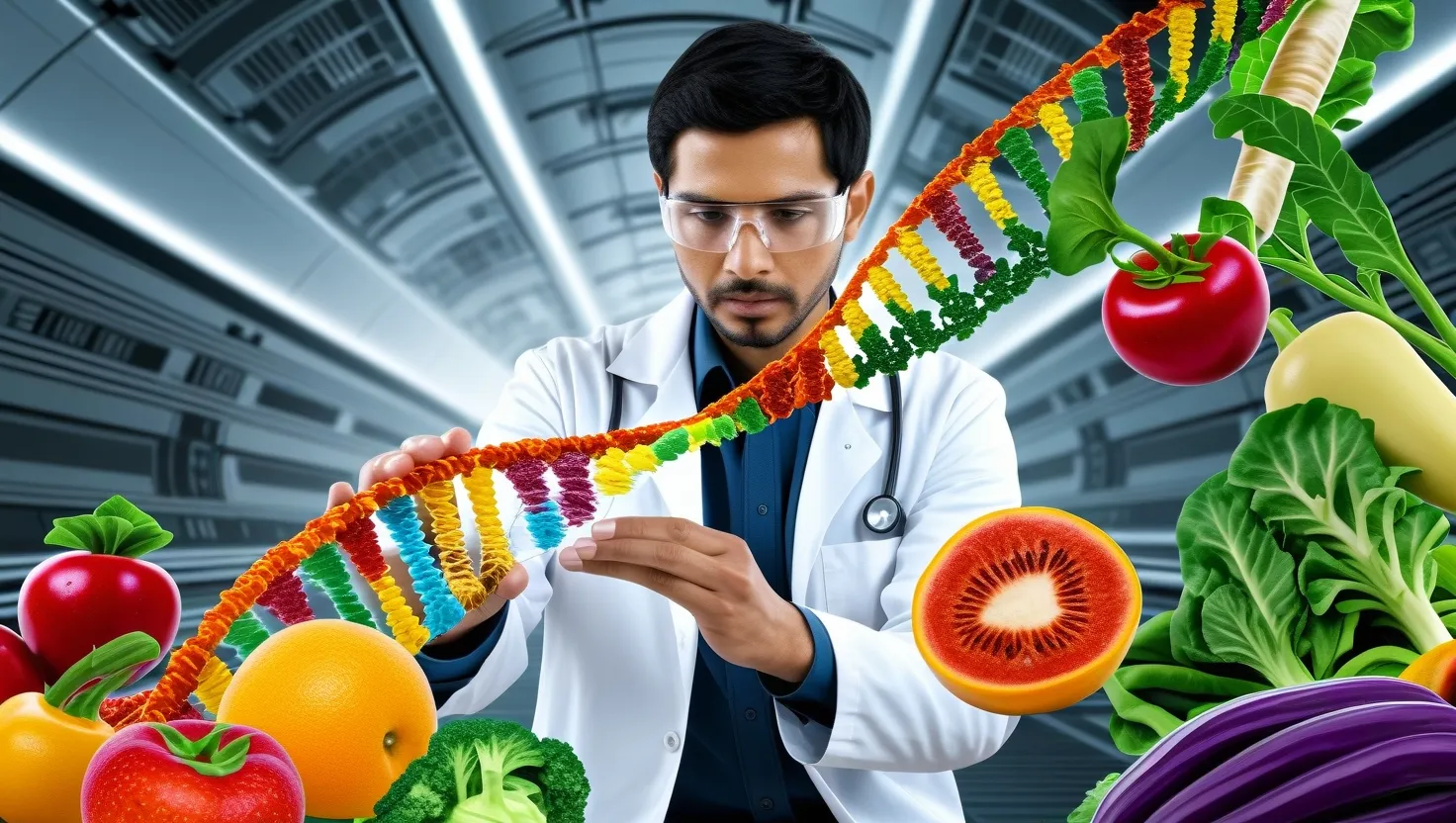
In the ever-evolving landscape of health and wellness, a new trend has emerged that promises to revolutionize the way we approach nutrition: biohacking diets tailored through genetic testing. This innovative approach, known as nutrigenomics, combines the latest advancements in genetic science with nutritional expertise to create highly personalized dietary plans.
At the heart of nutrigenomics is the idea that our genetic makeup significantly influences how our bodies respond to different foods. By analyzing a person’s DNA, healthcare professionals can identify genetic predispositions to certain health conditions and tailor a nutrition plan accordingly. For instance, if a person’s genetic analysis reveals a predisposition to obesity or diabetes, their healthcare team can advise them to avoid specific foods that could exacerbate these conditions.
The process begins with a simple DNA test, where a sample is sent to a specialized laboratory for analysis. The results provide a detailed snapshot of an individual’s genetic profile, highlighting areas where dietary adjustments can make a significant difference. This personalized nutrition plan is not just about avoiding harmful foods; it also involves optimizing nutrient intake to maximize health benefits.
One of the most compelling aspects of nutrigenomics is its potential to prevent chronic diseases. Traditional dietary guidelines often take a one-size-fits-all approach, which can be ineffective for individuals with unique genetic profiles. By tailoring dietary advice based on genomic insights, nutrigenomics aims to transform preventive healthcare. For example, if a person’s genes indicate a higher risk of heart disease, their diet can be adjusted to include foods that lower cholesterol levels and reduce inflammation.
The integration of advanced technologies, such as artificial intelligence and machine learning, further enhances the precision of nutrigenomics. These tools enable more sophisticated analysis of genetic data, allowing for even more customized dietary recommendations. Imagine a future where your diet is not just about what you like or dislike, but about what your body genetically needs to thrive.
However, this personalized approach also raises important ethical considerations. The use of genetic data for lifestyle choices is a sensitive topic, as it involves the handling of highly personal and potentially sensitive information. Ensuring the confidentiality and security of this data is paramount. Patients have the right to know how their genetic information will be used, whether it will be encrypted or de-identified, and whether they can expect to be contacted in the future about their data.
Physicians and researchers involved in genomic studies must adhere to strict ethical guidelines. This includes obtaining informed consent from participants, disclosing any potential conflicts of interest, and protecting the confidentiality of demographic and identifying information. The community must also be consulted and involved in the design of studies to ensure that the research is sensitive to their concerns and minimizes harm.
The impact of nutrigenomics extends beyond individual health; it also has the potential to reshape the food industry and public health policies. As more people adopt personalized diets based on their genetic profiles, the demand for tailored nutritional products is likely to increase. This could lead to a shift in how food is produced and marketed, with companies focusing more on creating products that cater to specific genetic needs rather than mass-market appeal.
Moreover, public health policies may need to be revised to incorporate the insights from nutrigenomics. Traditional public health campaigns often focus on broad dietary recommendations that may not be effective for everyone. By integrating genetic data into public health strategies, policymakers can develop more targeted interventions that address the unique nutritional needs of different populations.
The environmental impact of this approach is also noteworthy. A study on digital biohacking, for instance, showed that personalized dietary recommendations not only led to significant weight loss but also reduced the carbon footprint associated with food consumption. This dual benefit highlights the potential of nutrigenomics to contribute to both individual health and environmental sustainability.
In practice, this means that individuals can make informed choices about their diet that are not just based on general advice but on their specific genetic profile. For example, if a person’s genes indicate a higher sensitivity to certain nutrients, they can adjust their diet to avoid or include those nutrients accordingly. This personalized approach can lead to better health outcomes and a more sustainable lifestyle.
As we move forward in this era of personalized medicine, it’s clear that nutrigenomics is more than just a trend; it’s a revolution in how we understand and manage our health. By leveraging genetic information to tailor our diets, we are not just improving our individual health but also contributing to a broader shift in how we think about nutrition and wellness.
In conclusion, the integration of genetic testing into dietary planning is a powerful tool that has the potential to transform healthcare, the food industry, and public health policies. As this field continues to evolve, it’s essential to address the ethical considerations and ensure that this technology benefits everyone, regardless of their genetic background. The future of nutrition is personalized, and it’s here to stay.