Who’s Afraid of Huawei’s Global Tech Dominance?
From a Small Shenzhen Startup to a Global Tech Titan: The Journey of Huawei
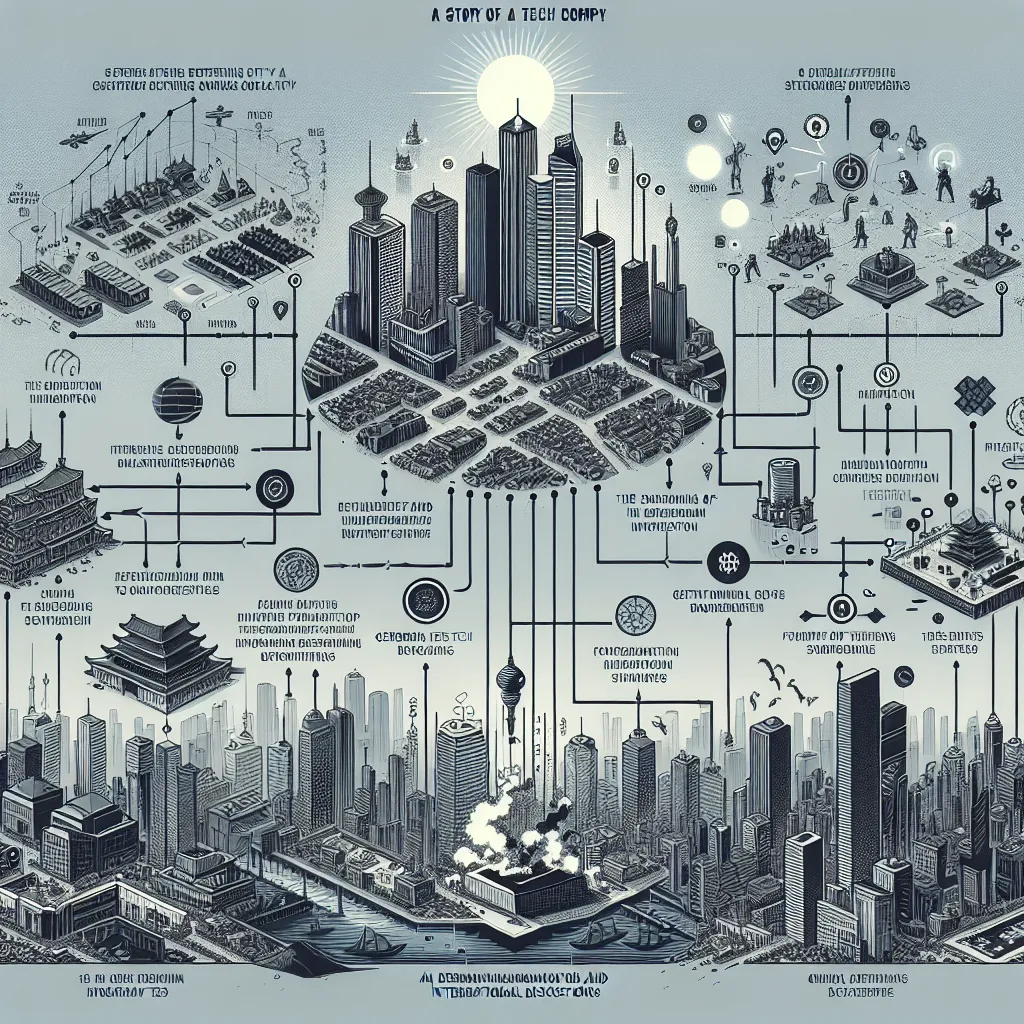
Huawei, a massive player in the tech world, is often seen as the USA’s biggest nemesis. It’s easy to see why. Huawei’s secretive ways and controversial leadership have put it under the Western microscope. But how did this company go from a little-known startup to a global powerhouse in just 30 years?
The story begins in China, around 1979, a time when the country was dealing with the aftermath of Chairman Mao Zedong’s reign. China was struggling, isolated, and expected to plunge into another dark era of poverty and famine after Mao’s aggressive policies fell flat. A power struggle ensued, and Deng Xiaoping emerged as the de facto ruler. Despite maintaining Communist rhetoric, Deng initiated bold economic reforms that many saw as dangerously capitalist.
Deng’s reforms included privatizing state-owned assets and industries, making the Chinese economy more efficient and sparking the creation of a private sector. China also opened its doors to foreign trade, marking a significant shift in policy. The Shenzhen Special Economic Zone was created in 1980, a haven for international trade with unique concessions that attracted entrepreneurs nationwide, swelling the population from 300,000 to over 4 million in just 20 years.
Enter Ren Zhengfei, a member of the Chinese military and Communist Party survivor of Mao’s famines. Ren, with his background in the military’s engineering unit, transitioned smoothly into the civilian economy. After a stint with state-owned Shenzhen Electric, Ren decided to start his own company, Huawei, in Shenzhen’s economic zone.
With an $8.5 million loan from a state bank, Ren got Huawei off the ground with a straightforward plan: import switching gears from Hong Kong and sell them in China. The company initially focused heavily on research and development, with more employees in R&D than production, reversing foreign technology to create their own products. Huawei’s first client was the Chinese military, and government contracts soon followed, providing the funding Huawei needed to grow, often operating at a loss to expand its capabilities.
Ren adopted a unique structure, similar to capitalist shareholding, allowing employees to invest based on their performance, thus retaining talent despite a rigorous work culture. However, this dedication sometimes meant questionable work conditions with long hours and an intense environment.
Huawei also became notorious for corporate espionage, copying competitors’ technology to get ahead. Despite allegations and proven instances of intellectual property theft, Huawei’s competitive pricing won over international clients, leading to the company’s big break in 2009 with a contract to build Sweden’s 4G network. Over the next decade, Huawei’s hardware would become integral to networks worldwide, especially in developing markets.
Today, Huawei’s rapid expansion and deep pockets have made it a target in what could become a tech Cold War between China and the USA. With over $100 billion in revenue from 170 countries, Huawei’s close ties to the Chinese government spark fears of national security risks in the West. Under China’s cybersecurity law, companies must share data with the government, fueling skepticism despite Huawei’s denials.
Huawei’s internal practices also raise eyebrows; a lack of diversity in its management, all Chinese and long-tenured, raises questions about transparency. Whether politics will outweigh economic incentives globally remains to be seen, but one thing is clear: the tech world is watching Huawei closely as the future unfolds.