What's Your Gut Telling You About Your Health?
The Hidden Universe Inside Us: Nurturing the Gut Microbiome for Better Health
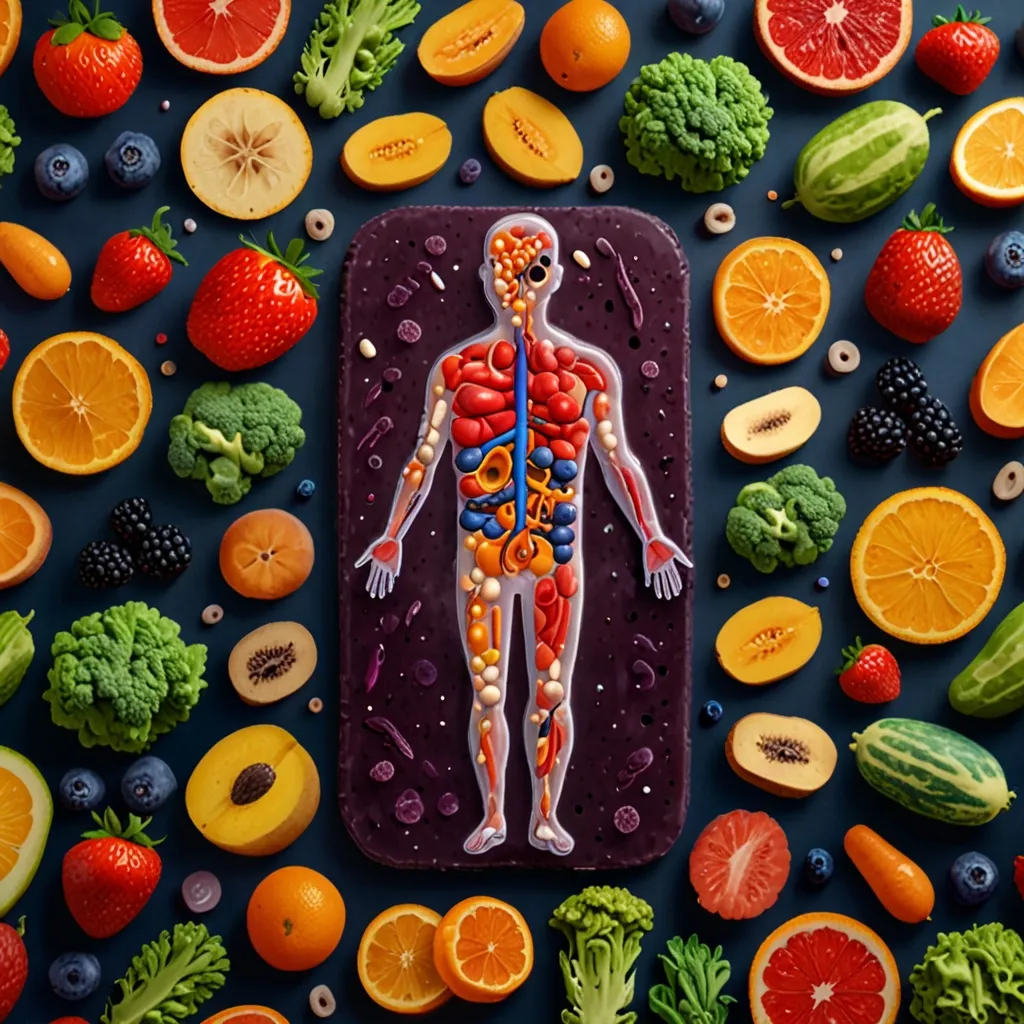
Trillions of bacteria, viruses, and fungi live inside us, forming a crucial part of our bodies known as the gut microbiome. This tiny universe within us is essential for breaking down food, producing nutrients, regulating our immune systems, and defending against harmful germs.
A healthy gut needs a mix of different bacterial species, but we don’t yet know the exact blueprint for the ideal balance. Factors like environment, antibiotics, and even the way we were born (C-section or natural) play a role in shaping our microbiomes. However, one of the most influential factors is our diet.
Dietary fiber, found in fruits, vegetables, nuts, legumes, and whole grains, serves as the main fuel for gut bacteria. When these bacteria digest fiber, they produce short-chain fatty acids that nourish the gut, boost immune function, and reduce inflammation, lowering the risk of cancer. The more fiber you eat, the more fiber-digesting bacteria thrive in your gut.
A striking study highlighted the impact of diet on the gut. Scientists swapped the high-fiber diet of a rural South African group with the high-fat, meat-heavy diet of a group of African-Americans. In just two weeks, the rural Africans on the Western diet showed increased colon inflammation and a decrease in the beneficial short-chain fatty acid, butyrate. Conversely, those who switched to a high-fiber diet saw the opposite effect.
Low-fiber, processed foods starve gut bacteria, leading to decreased diversity and making some bacteria turn to the mucus lining for sustenance. Specific foods affect gut health, too. Fruits, vegetables, tea, coffee, red wine, and dark chocolate are linked to increased bacterial diversity due to their polyphenol content. On the flip side, high-fat dairy products and sugary sodas can decrease diversity.
How you prepare your food also matters. Minimally processed, fresh foods generally have more fiber and better fuel your gut. Lightly steaming, sautéing, or eating raw vegetables is usually more beneficial than frying them.
Additionally, fermented foods like kimchi, sauerkraut, tempeh, and kombucha introduce probiotics into your gut, boosting bacterial variety. Yogurt, a fermented food, can also help if it doesn’t contain too much sugar and has enough active cultures.
More research is needed to fully understand the relationship between food and gut health. While we’re only starting to explore this complex world, it’s clear our microbiomes are vital for our digestive health. By focusing on fiber-rich, fresh, and fermented foods, we can actively support the friendly bacteria that keep us healthy. Trust your gut—it knows what it’s doing.