What Secrets Are Your Medications Hiding About Your Brain?
Navigating the Brain's Secret Conversations Through Medications
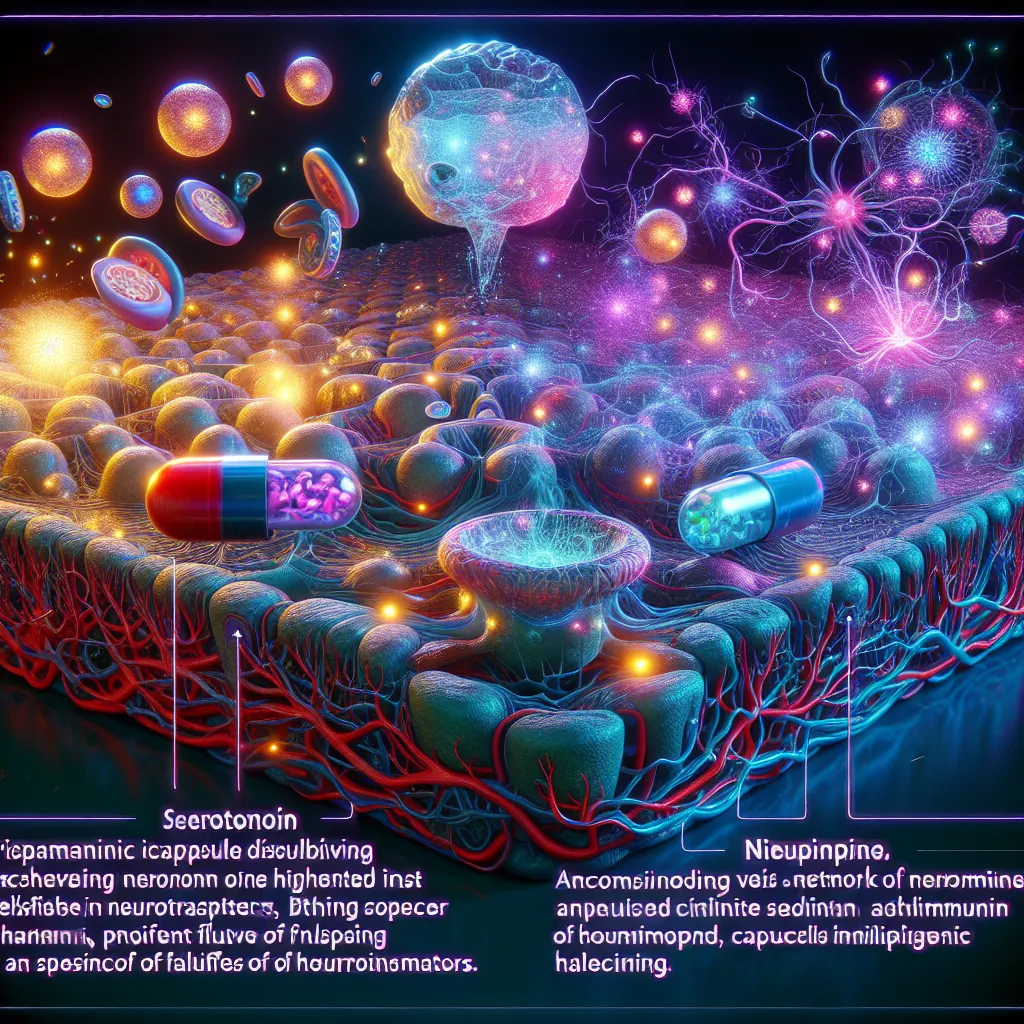
At some point in our lives, most of us will pop a pill, get a shot, or take some type of medication. But how many of us truly understand how these substances work? The answer lies in how they affect communication between cells in the brain.
Before any drug can influence the brain, it first needs to enter the bloodstream. How quickly this happens depends on the method of administration. For example, pills take the longest because they need to digest first. Inhaled drugs get into the bloodstream faster, while intravenous injections work almost immediately.
Once in the blood, the drug faces a gatekeeper: the blood-brain barrier. This barrier protects the nervous system from potentially harmful substances. Only drugs with a specific chemical makeup can pass through it.
Inside the brain, drugs interact with neurons and synapses. Neurons are brain cells with a nucleus, dendrites, and an axon. Synapses, located along the dendrites or axon, allow communication between neurons. This communication happens through neurotransmitters, chemicals that control our behavior, emotions, and thoughts.
Neurotransmitters can either inhibit or excite neurons. Drugs work by manipulating these transmissions, increasing or decreasing the amount of neurotransmitters in the brain. For instance, antidepressants like SSRIs prevent the reabsorption of serotonin, increasing its levels. Painkillers like morphine boost both serotonin and noradrenaline, easing pain and boosting pleasure. Tranquilizers increase GABA production, leading to relaxation.
Then there are illegal drugs, which have profound effects on the brain that we’re still trying to figure out. Crystal meth, for example, releases a flood of dopamine, triggering intense pleasure but also activating our fight-or-flight response. Cocaine stops dopamine and serotonin reuptake, leading to heightened energy and euphoria. Hallucinogens like LSD and DMT block serotonin, disrupting perception and mood.
Despite the allure of these effects, they come with risks. Repeated use can permanently change brain chemistry, affecting our ability to think, make decisions, and remember. While we’ve learned a lot, there’s still much to discover about how drugs affect the brain.
Our growing knowledge will potentially lead to better treatments for various medical conditions.