What Mysterious Giant Did Thomas Jefferson Mistake for a Lion?
When Misidentified Bones Led Thomas Jefferson to Imagine Giant Lions Roaming North America
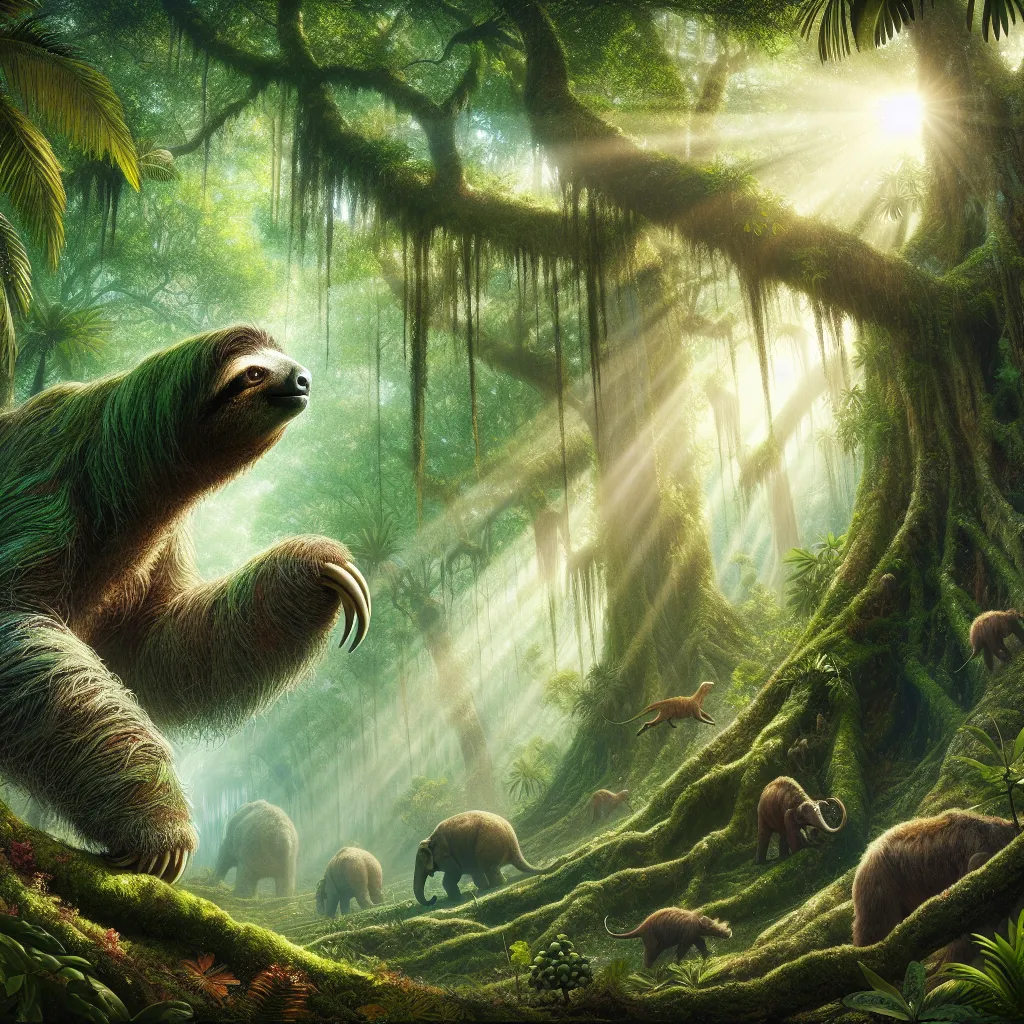
Back in 1796, Thomas Jefferson was pretty puzzled when he received a box of unidentifiable bones. Among them was a claw that looked kind of like a lion’s, but the arm bones suggested the creature was much larger, possibly around three meters long. Jefferson speculated it could be some unknown giant North American lion and even told Lewis and Clark to be on the lookout for this mysterious beast. But, spoiler alert, it wasn’t a lion at all. Those bones belonged to an extinct giant sloth.
Ancient ground sloths roamed the Earth starting around 35 million years ago. They lived all over North, Central, and South America, alongside mastodons and giant armadillos. These sloths came in all sizes, from cat-sized species to colossal ones. Jefferson’s sloth, named Megalonyx, weighed about a ton, but that was nothing compared to Megatherium, which was as hefty as an elephant, tipping the scales at six metric tons. These giant sloths meandered through forests and savannas, using their powerful arms and sharp claws to yank up plants and climb trees. Their diet was quite the range — grasses, leaves, and, interestingly enough, prehistoric avocados. Giant sloths played a crucial role in spreading avocado trees because smaller animals couldn’t handle the large seeds, but giant sloths could munch and disperse them far and wide.
Despite flourishing for millions of years, giant ground sloths started vanishing about 10,000 years ago, along with many of the Western Hemisphere’s other gigantic mammals. Scientists think an approaching ice age, competition with other species, or even early humans might have caused their decline. Some smaller sloths survived by taking refuge in the treetops. Today, we still have six species hanging out in the canopies of Central and South American rainforests. Living in trees helps them avoid predators and find plenty of leaves to munch, but this leafy diet has its downsides. Leaves are low in energy and hard to digest, unlike fruit and seeds. However, sloths, especially three-toed ones, stick to leaves almost exclusively.
To make the most out of this lean diet, sloths have evolved some smart strategies. They have a multi-chambered stomach that can take up a third of their body, allowing them to spend days or even weeks digesting a meal. They also conserve energy by moving as little as possible. Sloths spend most of their lives eating, resting, or sleeping, descending from the treetops just once a week for a bathroom break. When they do move, they are slow — really slow. It might take a sloth about five minutes just to cross a neighborhood street.
This slow-motion lifestyle means sloths have lower muscle mass and expend less energy maintaining their body temperature. Unlike most mammals, their body temperature can fluctuate by about five degrees Celsius, which helps conserve energy. Three-toed sloths hold the record for the slowest metabolism among mammals, with giant pandas coming in second, and two-toed sloths in third.
While their slow pace helps them thrive in tree canopies, it also makes them excellent habitats for other organisms like algae. This provides some extra camouflage and, potentially, a snack. Even though sloths are no longer the giants they once were, they remain fascinating creatures.