What Juicy Secrets Did the Boston Tea Party Really Spill?
Brewing Revolution: The Fiery Tea Tale that Steeped America’s Quest for Independence
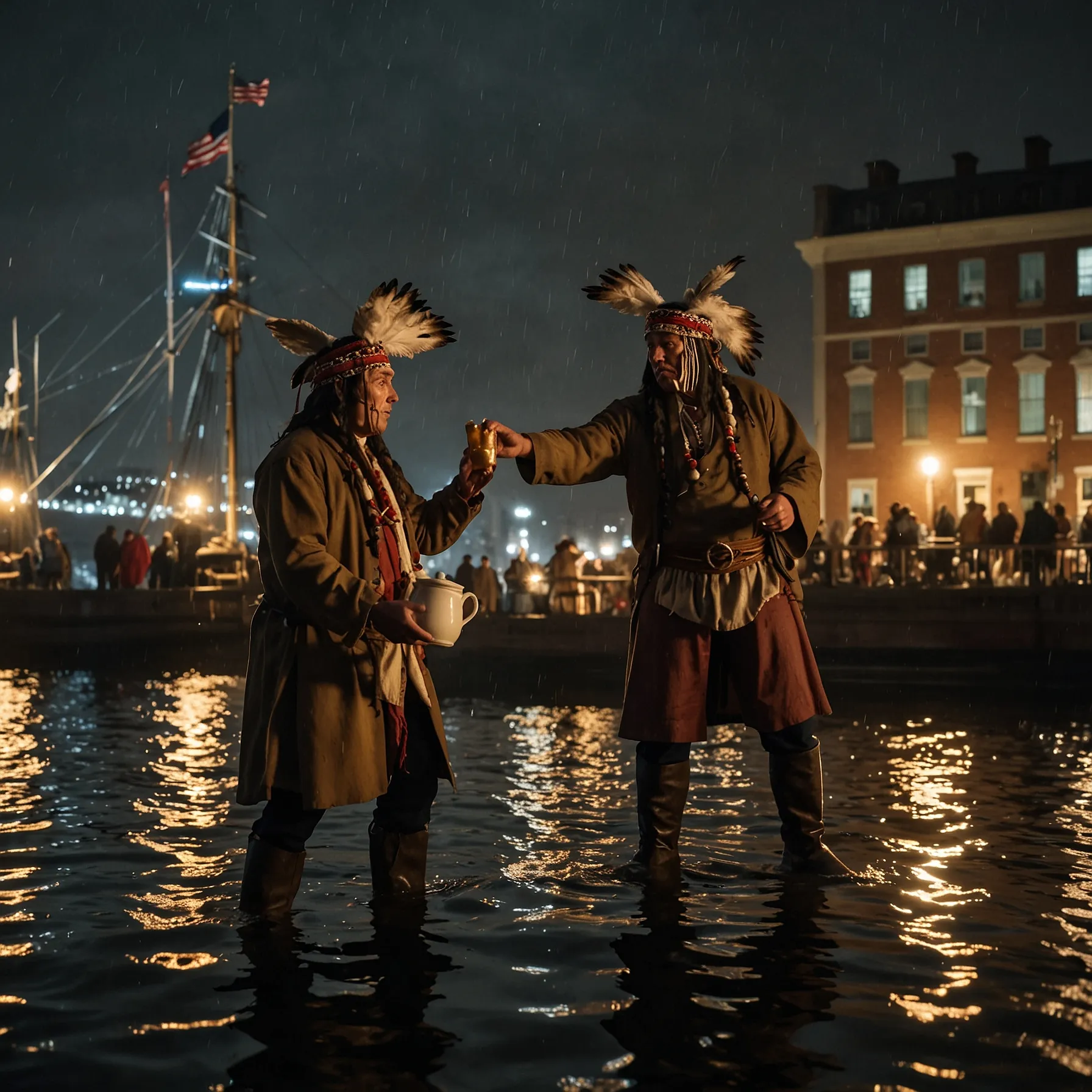
Ever heard of the Boston Tea Party? Most folks know the basics: colonists, disguised as Native Americans, tossed tea into Boston Harbor. But, the story is far juicier, involving imperial scheming, corporate drama, smuggling, and the grassroot sparks of the American Revolution.
Tea in the 1700s was a big deal. In Britain, everyone—man, woman, or child—downed almost 300 cups annually. Thus, American colonists, as good British subjects, were just as hooked, chugging over a million pounds of tea a year by the 1760s. So, when Britain decided to tax tea in America, it was a recipe for outrage. Colonists were already miffed about “No taxation without representation,” believing they shouldn’t be taxed by a parliament where they had no say. Many dodged the taxes by smuggling tea from Holland. Given the long American coastline and lax British enforcement, a staggering three-quarters of the tea in America was smuggled.
Post the costly Seven Years’ War, Britain was drowning in debt and saw taxing Americans as a solution. So, in 1767, they slapped new taxes on various imports, including tea. The colonists’ response? A firm “nope!” They boycotted British tea and brewed their own, even as new British customs enforcers begged for troops to assist with tax collection. Tensions skyrocketed, climaxing in the infamous Boston Massacre where British troops killed several protesters.
Then came the Tea Act of 1773. Britain’s plan? Let the East India Company sell tea directly in America through chosen merchants, undercutting the smuggled tea prices while keeping the taxes. But the colonists weren’t fooled; they screamed “monopoly!”
Fast forward to a chilly, rainy December 16, 1773. Some 5,000 Bostonians packed the Old South Meeting House, awaiting news about new tea shipments. When news broke that the cargo couldn’t be shipped back, Sam Adams declared, “This meeting can do no more to save the country!” Fired up, about 50 men, some dressed as Native Americans, stormed Griffin’s Wharf, boarded three ships, and dumped 340 tea chests into the harbor.
Furious, Britain retaliated with the Coercive Acts of 1774, shutting down Boston’s port until the locals paid for the dumped tea. They never did. Instead, representatives from the colonies assembled in Philadelphia for the First Continental Congress, backing the destruction of the tea, and endorsing an ongoing boycott. They left even more united in their fight for rights and freedom.
The Boston Tea Party wasn’t just a rebellious tea tantrum. It triggered a series of events leading straight to the Declaration of Independence and the bloody struggle for a new nation, where folks could finally enjoy their tea without imperial strings attached.