What Do Elephants, Billiard Balls, and World War II Have to Do with Plastics?
From Billiard Balls to Bakelite: The Evolution and Challenge of Plastics
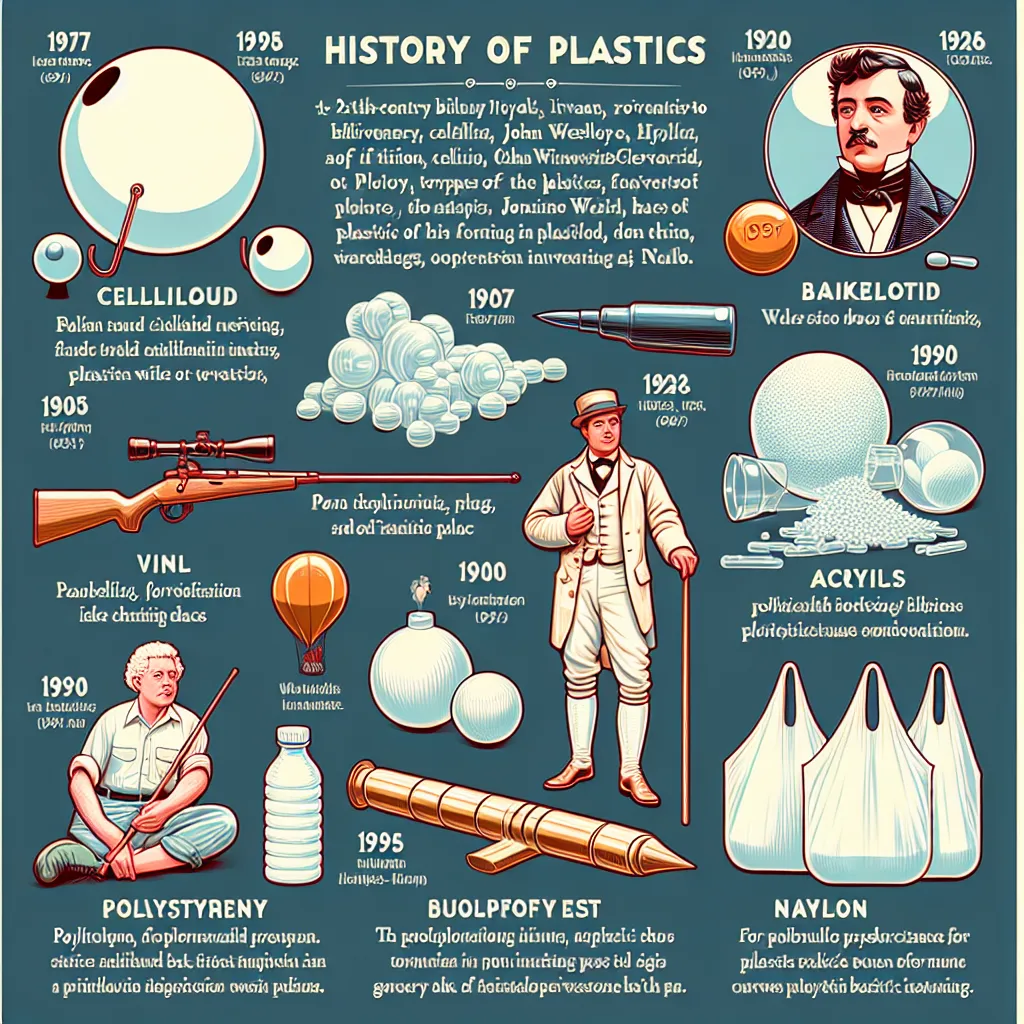
Today, plastics are everywhere, and their journey began with a small object that wasn’t plastic at all—billiard balls. Originally made from ivory, the decline in elephant populations in the 19th century pushed manufacturers to find alternatives, offering hefty rewards for solutions.
Enter John Wesley Hyatt, an American who took up the challenge in 1863. Five years of hard work led him to invent celluloid, derived from cellulose found in wood and straw. Though celluloid didn’t work for billiard balls due to its lightweight and lack of bounce, it could mimic expensive materials like coral and amber. Hyatt had unknowingly created the first plastic.
The term ‘plastic’ refers to materials made of polymers, large molecules with repeating subunits. While some polymers occur naturally, when we talk about plastics, we’re usually referring to synthetic ones. These materials start soft and can be molded into various shapes.
Despite its groundbreaking status, celluloid was highly flammable, leading inventors to seek safer options. In 1907, a chemist combined phenol and formaldehyde to create bakelite, a less flammable and more readily available polymer. This was just the start.
The 1920s saw the commercial development of polystyrene, followed by polyvinyl chloride (vinyl), acrylics, and nylon in the subsequent decades. Each brought unique properties—such as flexibility or transparency—making them suitable for various uses.
Polyethylene, introduced in 1933, became one of the most versatile plastics, used for items from grocery bags to bulletproof vests. Injection-molding technology soon allowed melted plastic to be shaped efficiently, increasing production speed and lowering costs. Initially aimed at making items more accessible, plastics found their way into WWII efforts, multiplying production in the U.S.
Wartime advancements extended to civilians post-war. Plastics replaced wood, glass, and fabric in everything from furniture to clothing. Packaging innovations kept food fresh longer with plastic bags, wrap, and containers, heralding the “plastics century.”
But this boom came at an environmental cost. Many plastics are made from nonrenewable resources and designed for single use, yet take centuries to decompose. The resulting waste buildup is massive. Solving these issues means reducing plastic use, developing biodegradable options, and enhancing recycling methods.
Our modern challenges revolve around making plastics sustainable while retaining the convenience they’ve brought to our lives.