What Ancient Oddities Spawned Modern Vampires?
From Bizarre Beasts to Elegant Evildoers: The Everlasting Evolution of Vampires
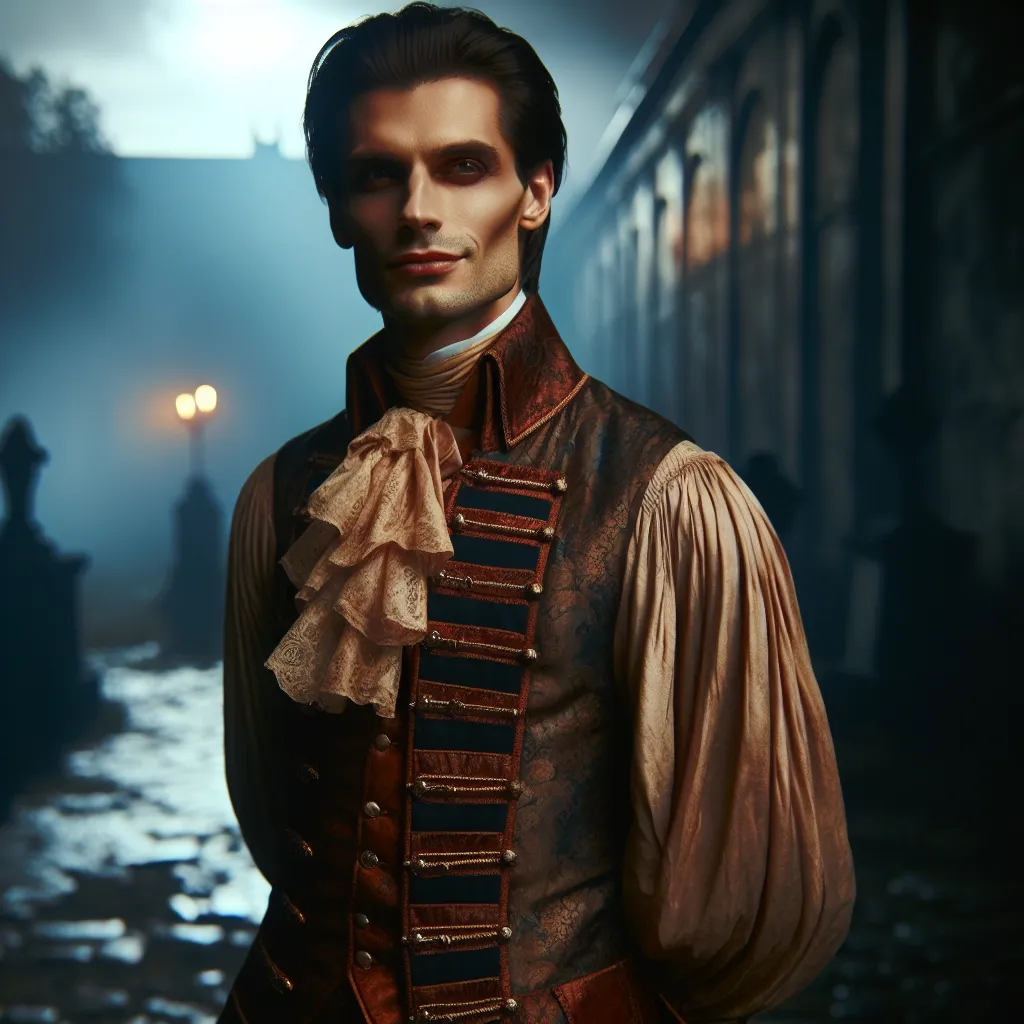
Good evening! What’s got you spooked tonight? Afraid of vampires? No worries, I’m not here for dinner. Ha! Instead, I’m going to take you on a quick journey through the fascinating history of vampires, showing how we’ve evolved from creepy corpses to the suave gentleman you see today.
Vampires have been part of human culture for almost as long as humans have existed. Ancient stories feature creatures that bear little resemblance to our modern idea of a vampire. For instance, the Mesopotamian Lamashtu had the head of a lion and the body of a donkey. In ancient Greece, the striges were bloodthirsty birds. The Philippine manananggal could split her torso and fly with bat-like wings, while the Malaysian penanggalan was basically a flying head with hanging entrails. These characters are pretty bizarre, right?
While these beings look different, they all share one important trait: they live by consuming the life force of other creatures. This is the essence of what makes a vampire.
So how did we get from these odd creatures to the classic vampire in a cape? The image we know today started to form in 18th-century Eastern Europe. Back then, vampire superstitions were rampant. Stories of these bloodsucking creatures haunted people’s nights. Folktales from the Romani people and Albanian lore gave us vampires that were undead, nocturnal, and shape-shifters.
Eastern Europe during this time was plagued by disease, leading villagers to look for supernatural explanations. When they dug up bodies, they found what looked like signs of life: longer hair and nails, bloated bellies, and blood at the mouth. Natural decomposition was mistaken for signs of vampirism. To ‘kill’ these vampires, villagers performed grisly rituals like beheadings, burnings, and staking the corpses.
Scientific knowledge was lacking, so these practices continued until Empress Maria Theresa of Austria had to intervene, sending her physician to debunk the myths and banning grave tampering.
Despite this, vampire legends endured. Literature like Polidori’s “The Vampyre,” “Carmilla,” and most famously, Bram Stoker’s “Dracula,” kept the lore alive. Stoker used a mix of historical references and local myths to shape his iconic story. His additions to the myth, such as fear of crucifixes and sunlight, have become vampire staples.
Over time, storytellers have continued to add to the vampire mythos, ensuring that these creatures remain a fixture in our imaginations. So, the next time you encounter a vampire story, remember how far these night stalkers have come. It’s the continued storytelling that makes them eternal.