Imagine walking around with your phone seeing the world just like you do—being able to point it at anything and instantly recognize objects and images, just like the human brain. It doesn’t sound like science fiction anymore. This once far-fetched idea is now a reality.
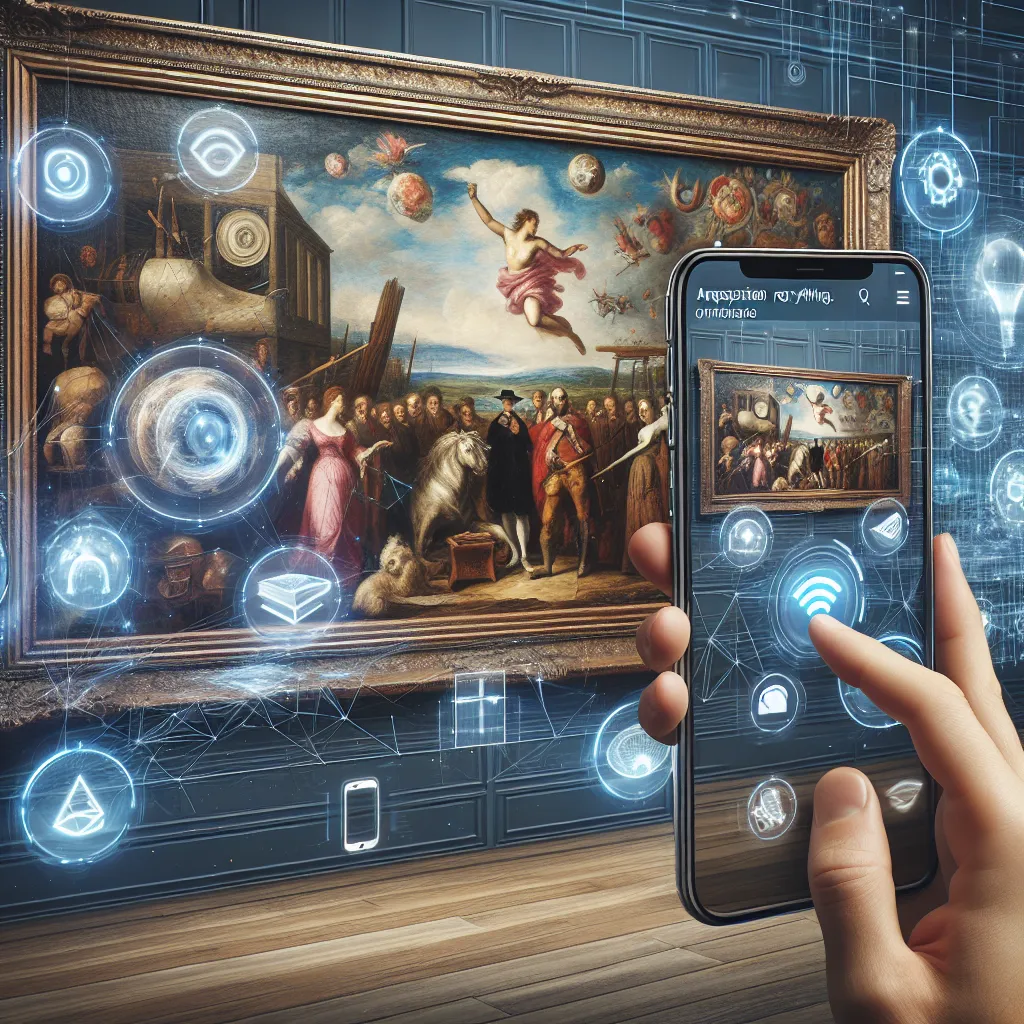
To understand better, let’s visualize it. Imagine you have a painting of the famous poet Robbie Burns. Normally, it’s just a picture, but with advanced phone technology, you point your phone at it, and it instantly recognizes the painting. No tricks involved. The phone starts to see and understand the world like we do, tracking and overlaying content seamlessly.
The incredible part? All of this processing happens on the device itself. This has limitless applications—from art museums to advertising or print journalism. Take a newspaper, for instance. The moment you point your phone at today’s front page, you can see the latest updates and bulletins right away. We call this linking of digital content to physical objects an “aura”.
Beyond convenience, this technology allows for displaying information in entirely new ways. Say you have a router and need to set it up. Instead of hunting for online instructions, you just point your phone at it, and your device walks you through each step visually.
This breakthrough in technology started in the UK, particularly with scientists in Cambridge, and these advancements are phenomenal. In less than a year, the processing speed and capability of mobile devices have surged, enabling us to integrate cinema-quality 3D models into our real-world surroundings.
One fascinating aspect is how personal and emotional this technology can be. It lets you see the world through someone else’s eyes, capturing and tagging moments to physical objects in the real world. Teachers are leading the way, tagging up textbooks and classrooms, making learning an interactive experience.
It’s not magic—it’s accessible. With these free and open tools, anyone can create their own digital auras. Imagine you just recorded a memorable moment, and you can tag it to a badge to keep forever. Many people are already using this technology, from sending personalized postcards to tagging components in car engines for easy identification.
Like the internet revolutionized our world over the past two decades, this new technology ushers in the next big shift. Now, the content we love, discover, and share becomes part of our physical world. And the best part? This app is free to download and easy to use.
It’s an exciting leap forward, blending digital and physical realms seamlessly, making our interaction with the world smarter and more intuitive. The future is here, and it fits right in our pocket.