Have You Ever Wondered What Your Greeting Really Means?
Hidden Depths of Cultural Greetings Reveal Universal Quest for Peace
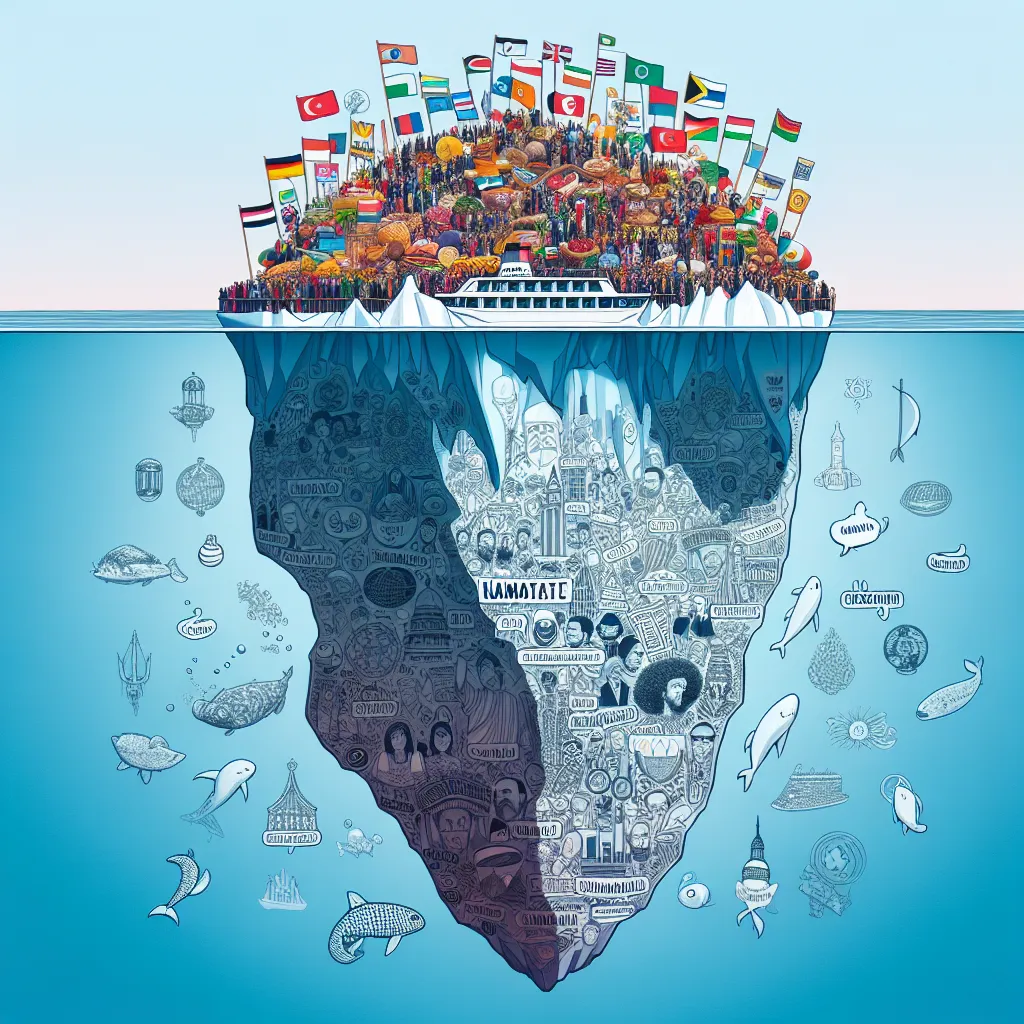
When we think about culture, it’s easy to picture it like an iceberg. The parts above the water—things like food, flags, and festivals—are what we see and celebrate most often, especially in school. But the bulk of culture lies beneath the surface. This hidden part holds the common values that tie us together, even in a world that’s increasingly troubled by social and political strife.
Peace is a value that seems to be rising to the surface more and more, especially in our daily greetings. In many Arab countries and parts of South Asia like Bangladesh, people greet each other with “as-salamu alaykum,” which means “peace be with you.” In places like India, Nepal, and Bhutan, “namaste” is a common greeting. It carries a profound message of peace—“the spirit in me greets the spirit in you”—and is accompanied by the gesture of bringing the palms together at the heart.
In Myanmar, the greeting “mingalarbar” often comes with a bow, reflecting not just peace but a chance for blessing and auspiciousness. Even in the mountains of Lesotho, a herdboy might greet you with “lumela” or “khotso,” both meaning “peace be with you.” If you look into greetings like “shalom” in Hebrew or various Korean greetings, you’ll find they too are deeply linked to peace.
These greetings have become quick, everyday comments for many people, losing some of the focus and depth they originally had over centuries. But by recognizing these ingrained behaviors, we can shift our thinking to be more flexible and open-minded. This mindset is crucial as our world becomes more globalized.
So next time you greet someone, think of the peace and shared humanity behind those words. It’s a small step towards understanding and connecting with the broader, deeper parts of our diverse cultures.