Good evening. Tonight, let’s tackle a topic that’s crucial to our history and future: our relationship with oil. Back in 1977, President Jimmy Carter addressed the nation, stressing that the gravest crisis we’d face would be running out of oil. Fast forward to now, and that prediction seems off the mark.
Despite our ever-growing consumption since 1977, we have more oil today than we did back then. This surprise stems from our limited understanding at the time. In the ‘70s, people only counted known oil reserves. By calculating our usage, it seemed we’d be out of oil by around 2017. Obviously, that hasn’t happened.
What we didn’t realize was just how vast our oil reserves are. The Earth harbors much more oil than we anticipated, enough to last us until we develop a sustainable, inexhaustible energy source like solar or nuclear fusion. Advances in technology have significantly contributed to this revelation.
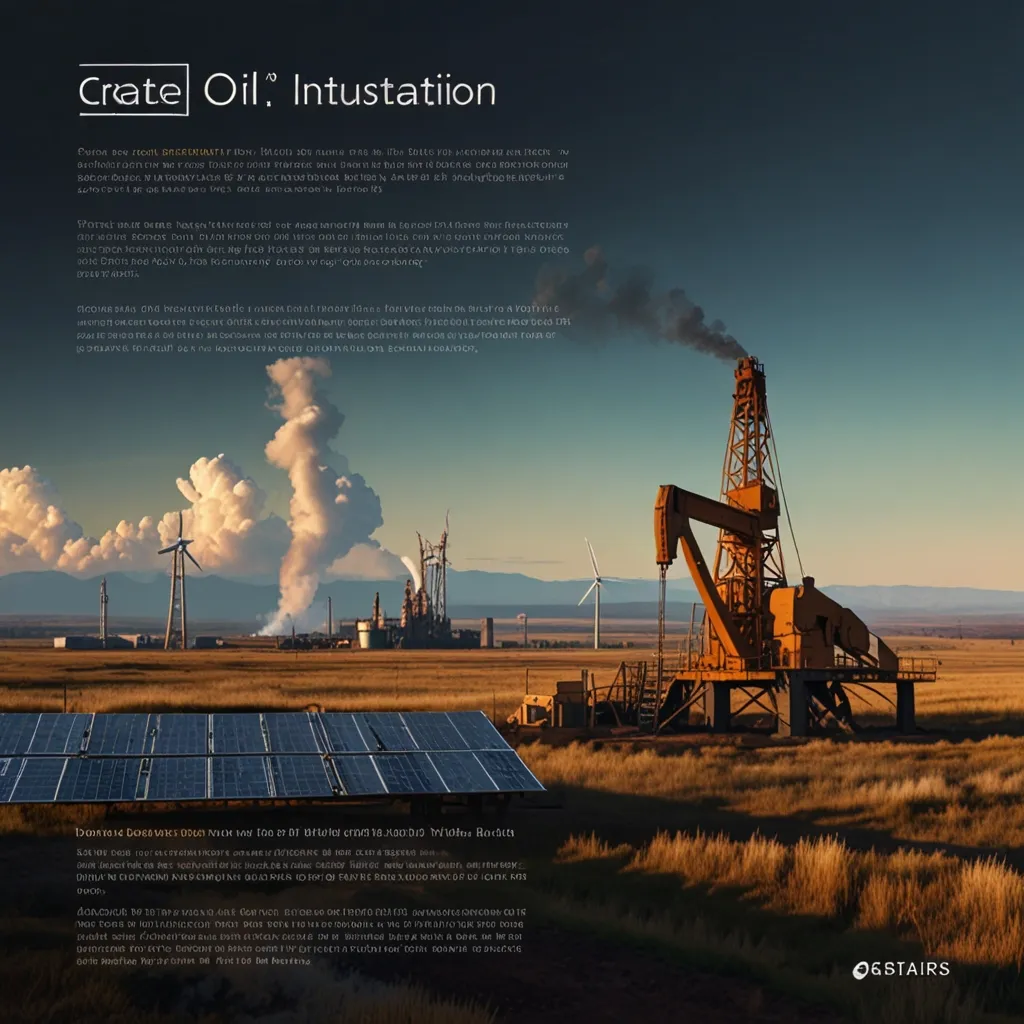
Technology has allowed us to discover new reserves in places like Venezuela and Kazakhstan and innovate extraction methods. One such method is fracking, which involves extracting oil from shale rock using high-pressure water. The U.S. alone boasts trillions of barrels of oil in shale rock—an amount that dwarfs even Saudi Arabia’s reserves. Besides, tar sands in Canada hold trillions more gallons of oil, now accessible with modern techniques.
Additionally, with innovations like sideways drilling and high-pressure water techniques, previously depleted sites can yield more oil. Given our annual consumption of about 35 billion barrels, the available resources could last us another century. By then, we might hopefully advance to more efficient, inexhaustible energy technologies like solar or nuclear fusion.
But is this dependence on oil beneficial? The answer is mixed. On the one hand, oil is an inexpensive energy source. It keeps our transportation and production costs low, making everything from airfares to plastic products cheap. Even materials for clothing such as polyester and nylon come from oil, helping us maintain an affordable lifestyle.
On the flip side, burning oil generates enormous amounts of carbon dioxide, a greenhouse gas that exacerbates climate change. It also releases other toxic pollutants harmful to both the environment and our health. The abundance and low cost of oil can stifle financial incentives to develop cleaner energy alternatives like solar, wind, geothermal, or nuclear fusion.
Ultimately, the choice is ours: we can reap the benefits now and deal with the consequences later or invest in a sustainable future. Choose wisely.