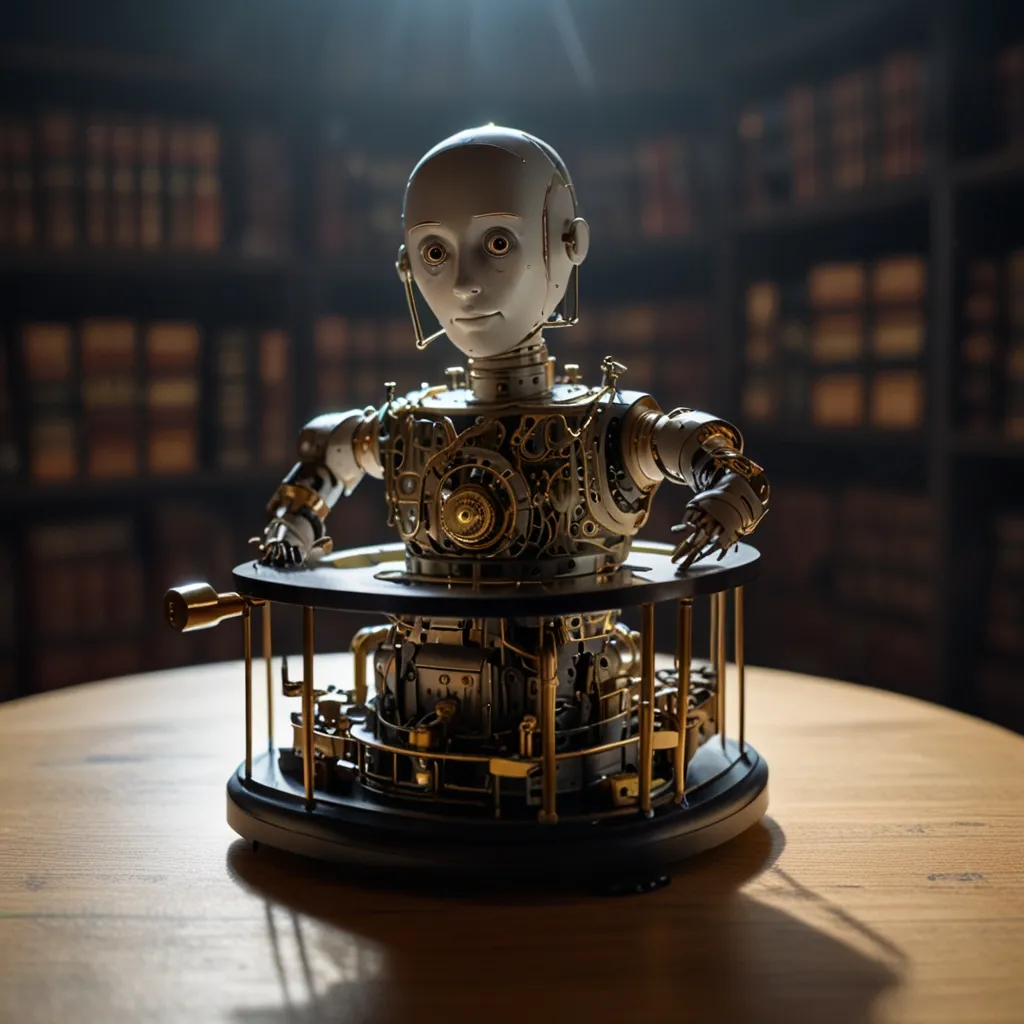
In 1805, Swiss engineer Andre Mallarde created an extraordinary automaton capable of drawing pictures and writing poems. Today, you can marvel at this mechanical wonder in a Philadelphia museum. This invention, however, wasn’t the dawn of automatons. For centuries, simpler mechanical figures made of springs, gears, and levers fascinated onlookers. Fast forward to the present, and we’ve advanced to self-driving cars, robots, and drones—machines with sophisticated electronics and sensors that react to their environments and sometimes make decisions using adaptive programs.
People often wonder if these modern machines possess some form of consciousness. There’s a reductionist viewpoint suggesting that humans are not much different from these devices. Our behaviors, according to this view, are governed entirely by the laws of physics, likening us to complex versions of self-driving cars. Reductionists argue that our actions and decisions stem from unvarying physical laws, making our perception of free will an illusion. The universe itself might be a grand clockwork of interlocking laws, with our consciousness just another cog.
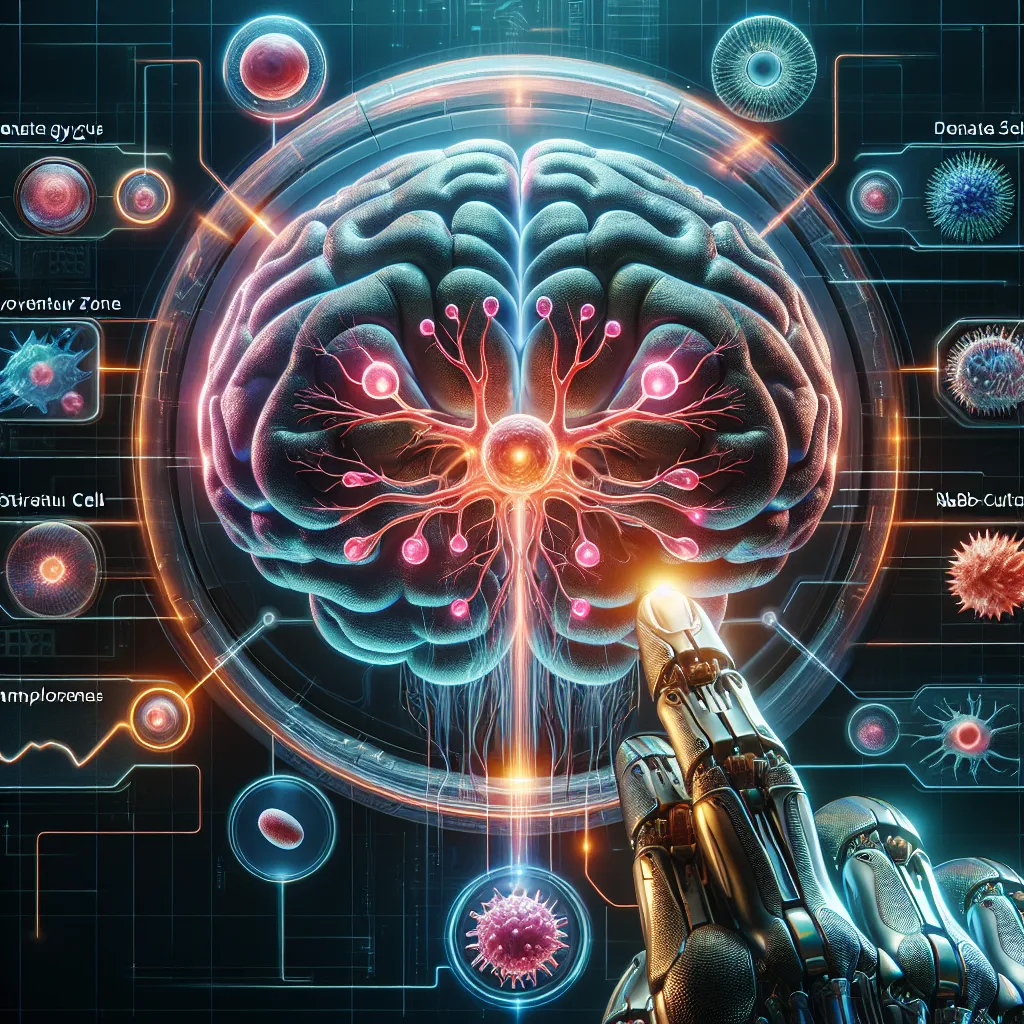
But what about quantum mechanics? Entertaining this idea, some scientists, including the renowned Sir Roger Penrose, have suggested that the unpredictable nature of quantum mechanics might inject an element of free will into the equation. Penrose’s collaboration with anesthesiologist Stuart Hameroff proposed that tiny brain structures, called microtubules, could exist in quantum states, potentially influencing our consciousness.
Their theory, although controversial, argues that these quantum states within brain cells create the foundation for consciousness and, by extension, free will. Yet, critics like MIT physicist Max Tegmark argue our brains are too warm and wet for such delicate quantum phenomena to occur. Despite this, Penrose and Hameroff’s “Orchestrated Objective Reduction” theory continues to evolve, sparking debate among scientists.
Adding another layer to this conversation, Matthew Fisher from the University of California, Santa Barbara, posits that certain atomic nuclei in the brain might maintain quantum states longer than previously thought. His focus is on phosphorus atoms which, under certain conditions, could sustain quantum coherence, potentially influencing neuronal processes and consciousness.
Despite the intriguing theories and rigorous debates, there’s no experimental evidence yet linking quantum mechanics directly to consciousness. Some scientists believe that quantum effects play crucial roles in other biological processes, such as photosynthesis and bird navigation, suggesting that quantum mechanics influencing brain function is not entirely implausible.
However, proving this link remains challenging. The complexity of human consciousness—our subjective experience and feelings, known as “qualia”—remains a puzzle. Whether our rich tapestry of emotions and thoughts is merely an intricate play of neurons or something more profound, combining scientific exploration with philosophical inquiry will be essential in unveiling the truth.
The journey into understanding consciousness, free will, and their potential quantum roots continues, blending the lines between physics, neuroscience, and the philosophy of mind. It’s a fascinating frontier, promising discoveries that could redefine our understanding of ourselves and the universe we inhabit.