science

Could AI Someday Become Truly Conscious?

Exploring Consciousness: The Enigma and Potential of Future AI

Could AI Someday Become Truly Conscious?

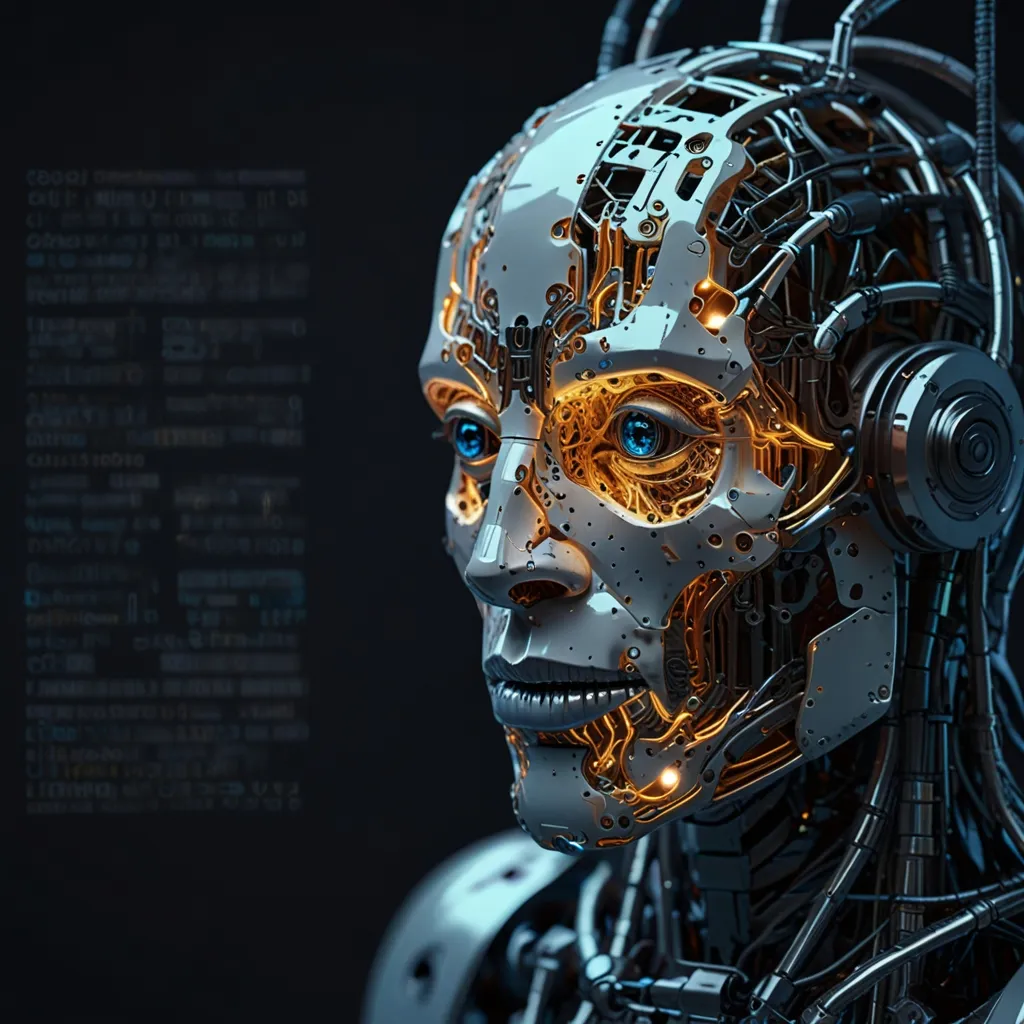
No one has created an AI that can be considered conscious. While we might soon develop AI systems and robots that act convincingly, this would really be a form of deep fake using today’s information technology.

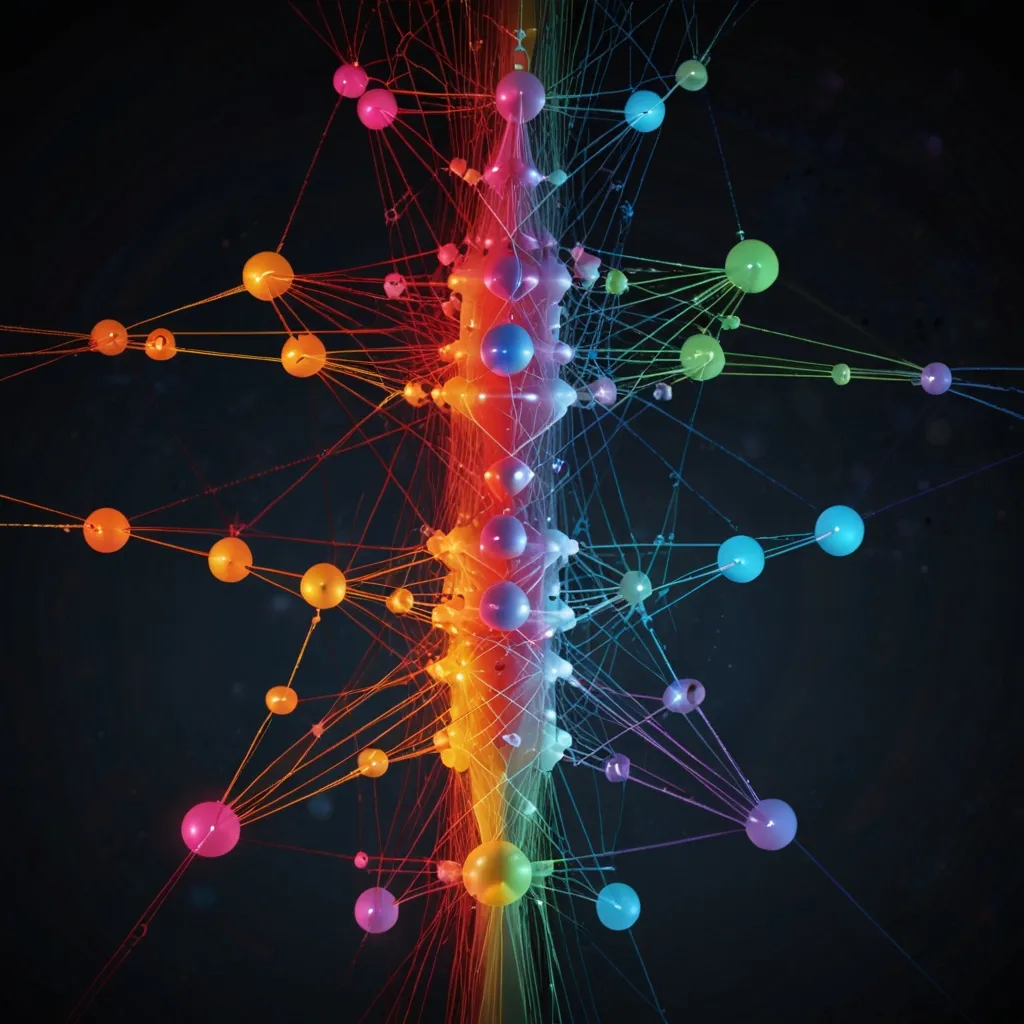
But what about the future? Some argue that it’s feasible to imagine making electronic circuits, like artificial neural networks, with as many connections and nodes as there are between real neurons in the human brain. If that’s the case, why should an artificial system lack any of the capacities of our brain, including consciousness?

Most scientists and many philosophers believe that consciousness arises out of the physical and chemical laws governing our neurons. It doesn’t require any mystical special sauce. If that’s true, why should consciousness remain absent in computer simulations that capture all the relevant physics and chemistry of our brains?




Similar Posts
Blog Image
Are We Close to Unveiling the Ultimate Secret of Gravity?

Gravity's Enigma: The Quest to Quantum Leap Through Space and Time

Blog Image
Unlocking the Mysteries of the Human Microbiome

The human microbiome, a diverse ecosystem of microorganisms in our body, significantly impacts health. It influences digestion, immunity, and even mental well-being. Diet and lifestyle choices shape this personal microbial world, offering potential for disease prevention and treatment.

Blog Image
Did Isaac Newton's Apple Hide the Secrets of Dark Matter?

Newton's Revolutionary Legacy and the Quest to Unveil Cosmological Mysteries

Blog Image
Can You Turn Life’s Blank Canvas into a Masterpiece?

Crafting Your Own Meaning: The Blank Canvas of Life

Blog Image
Is Our Daily Life Actually an Eternal Struggle?

Eternity's Paradox: Are We Already Living in Heaven or Hell?

Blog Image
The Rise of Personalized Medicine: Tailoring Treatments to Your Genes

Personalized medicine tailors treatments to individual genetic profiles, revolutionizing healthcare. It offers targeted therapies, early disease prevention, and improved drug efficacy. This approach promises more effective, efficient, and cost-effective healthcare, transforming the medical landscape by 2030.