Can Identical Twins Really Be So Different? The Mystery of Epigenetics Explained
Twins’ Divergent Lives: The Epigenetic Symphony That Determines Our Genetic Fate
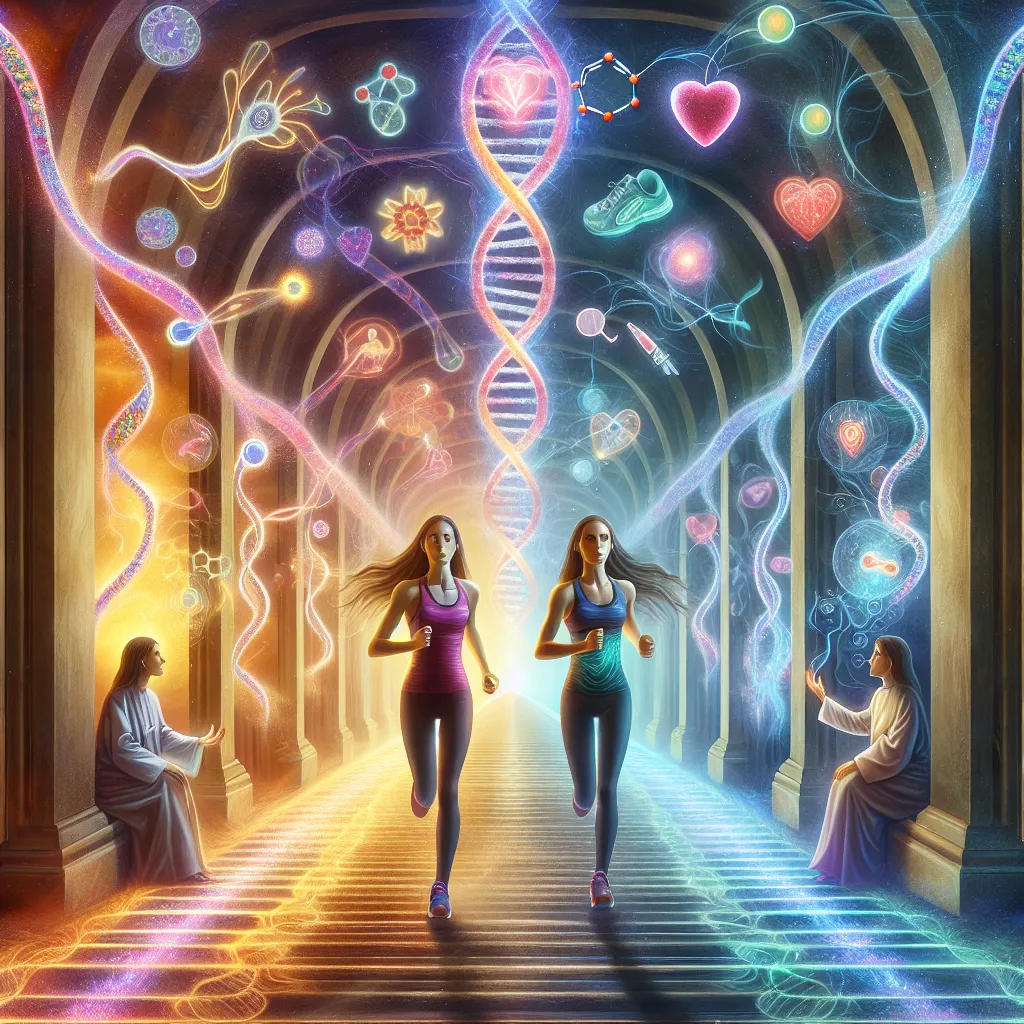
Here’s an intriguing question: identical twins share the same DNA, so how can they end up being so different, even in traits with a strong genetic basis? For example, why might one twin get heart disease at 55 while the other is a marathon runner in perfect health? The answer lies in the concept of epigenetics, which explores how DNA interacts with various molecules in cells to activate or deactivate genes. Imagine DNA as a recipe book; these molecules decide what gets cooked and when.
Genes in our DNA become “expressed” when they are read and transcribed into RNA, which is then translated into proteins by ribosomes. These proteins determine a cell’s characteristics and function. Epigenetic changes can boost or inhibit the transcription of specific genes. One common way this interference happens is through small chemical tags that label DNA or its associated proteins. This full set of chemical tags is called the epigenome. Tags like methyl groups can inhibit gene expression by making DNA coil tightly, rendering it silent, while others can unwind DNA, thus boosting gene transcription.
Epigenetic changes can persist through cell divisions, impacting an organism for life. This is crucial for normal development. An embryo’s cells start with one master genome, but as cells divide, genes are selectively activated or inhibited, leading to the formation of different cell types, like heart or liver cells. Each of the body’s approximately 200 cell types has the same genome but its own unique epigenome.
Epigenetics also mediates a continual dialogue between genes and the environment. Factors like diet, chemical exposure, and medication can influence the chemical tags that turn genes on or off. Such changes can lead to diseases if, for instance, they silence a tumor-suppressing gene. Because of these environmental influences, identical twins can grow more distinct over time. Their differing epigenomes can affect how they age and their susceptibility to diseases.
Even social experiences can cause epigenetic changes, as shown in experiments with mother rats and their pups. Neglect led to the methylation and silencing of genes that manage stress in the pups, and these changes might even pass to the next generation. Some epigenetic marks can survive the formation of egg and sperm cells, meaning your parents’ experiences could shape your own epigenome.
However, these changes aren’t necessarily permanent. Leading a balanced lifestyle with a healthy diet, exercise, and avoiding pollutants can help maintain a healthy epigenome. It’s a great time to delve into this field, as scientists are beginning to uncover how epigenetics might explain human development, aging, and diseases like cancer, heart disease, and mental illnesses. New genome editing techniques are helping us identify which epigenetic changes are crucial for health. Eventually, understanding our epigenome might also empower us to influence it.