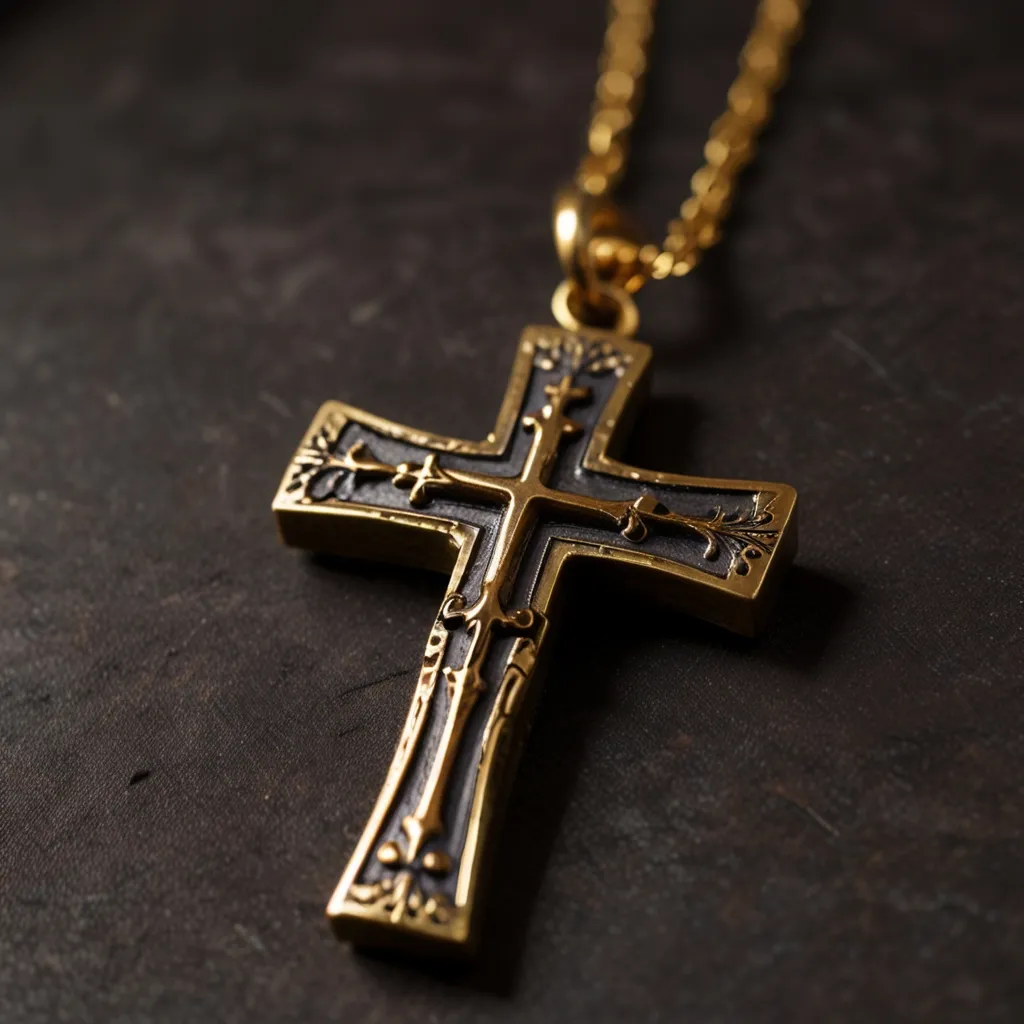
The cross is easily one of the most recognizable symbols around the world, especially in Christianity. It holds a monumental significance since it represents the crucifixion of Jesus Christ, which is the heart of Christian faith. Over time, this simple symbol has taken on numerous meanings and evolved greatly.
Back in ancient days, the cross was basically a tool for executing criminals, and it was seen as shameful. But for early Christians, it transformed into a symbol of victory. They looked at Jesus’s death on the cross differently—they saw it as a win over sin and death, especially connected to his Resurrection. Rising from the dead three days after being crucified was like a huge divine statement promising eternal life to believers.
The Feast of the Holy Cross is a pretty big deal in many Christian churches. This celebration reflects on Jesus’s entire life, with a big focus on his death and Resurrection. It is all about remembering the sacrifice Jesus made and reflecting on the forgiveness and eternal life offered through his actions.
In terms of art and worship, the cross has been a staple since late antiquity. Early Christian art depicted the cross as a sign of victory, often decorated with precious gems to emphasize Christ’s triumph over sin and death. Eventually, pieces of art started to show the Crucifixion more graphically, featuring Jesus on the cross, sometimes alone and at other times accompanied by figures like Mary and Saint John.
However, the cross hasn’t always brought unity. During the Reformation, Protestant churches rejected the crucifix, viewing it as idolatrous. They preferred plain crosses, which showed some deeper disagreements within Western Christianity.
In the High Middle Ages, things took a twist when the cross got tied to the Crusades. These were religious wars aimed at reclaiming the Holy Land from Muslim rulers. Crusaders donned garments marked with a cross, signaling their commitment. However, this led to violent times and hostility towards Jews, causing long-term persecution.
The sign of the cross became a lasting gesture in Christian worship, involving tracing a cross shape on the forehead. It often shows up during baptisms or prayers, symbolizing a connection to Jesus’s sacrifice and promise of eternal life.
Throughout, the cross stands as a big icon of atonement, reminding Christians of Jesus’s sacrifice for their sins. It’s more than just metal or wood; it recalls the heavy price paid for redemption. Whether worn as jewelry or displayed in churches, the cross brings believers closer to Jesus’s message of love and forgiveness.
Even today, the cross remains front and center in Christianity. It’s seen in churches, homes, and even public spaces. Many Christians wear crosses as a sign of faith, while others use them in daily prayers. It’s also a popular motif in art and architecture, symbolizing Jesus’s enduring legacy.
In the end, the cross is not just an emblem but a deep reminder of Christian core beliefs like sacrifice, forgiveness, and eternal life. Through its many interpretations, the cross still stands as a strong and unifying symbol for Christians across the globe.