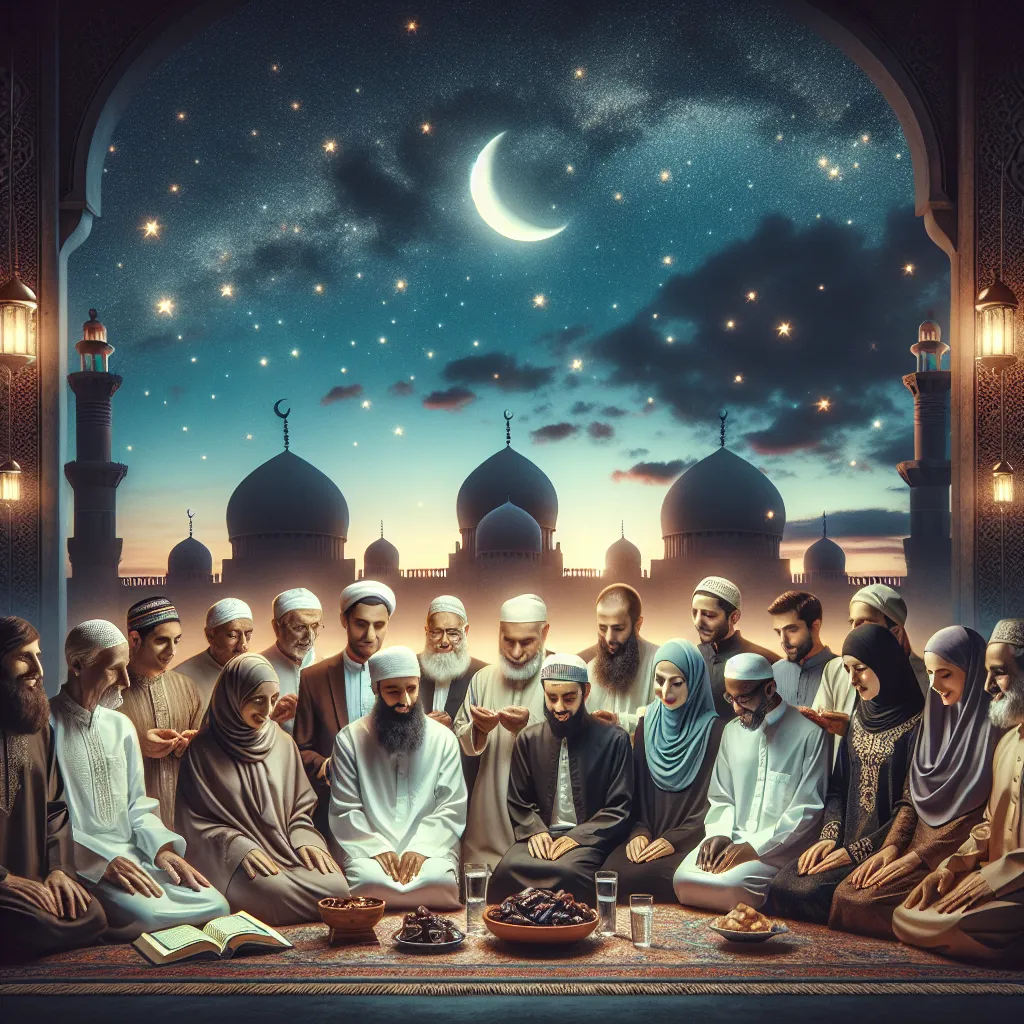
Today is April 2nd, 2022, marking the start of Ramadan for Muslims worldwide. Ramadan is a holy month of fasting, a key pillar of Islam alongside the five daily prayers, charity (zakat), the declaration of faith (shahada), and the pilgrimage to Mecca (hajj).
For 30 days, Muslims will abstain from food, drink (even water), and sexual activity from dawn to sunset. This practice aims to bring believers closer to God by controlling their desires and purifying their souls. It’s a month of heightened spirituality and self-discipline, emphasizing turning away from physical appetites to focus on the divine.
Fasting isn’t unique to Islam. Many religions incorporate fasting as a spiritual discipline. Christians observe Lent by abstaining for 40 days, and Jews fast on Yom Kippur. Buddhists, Hindus, and Taoists, among others, also have fasting traditions. The essence across all these practices is the belief that abstaining from food and other needs has spiritual benefits, helping people draw nearer to their faith.
In Islam, fasting during Ramadan has a long history, rooted in the Quran itself. The Quran mentions that Ramadan is the month in which the holy text was first revealed. This makes the month sacred, with fasting seen as a way to honor this divine connection.
Scholars like Abu Hamid al-Ghazali have elaborated on fasting’s purpose, describing it as a means to weaken carnal desires and purify the soul. The struggle against the nafs, or ego, is central to Islamic spirituality, especially in Sufism. By controlling physical desires, believers aim to purify their inner selves, drawing closer to God.
Moreover, fasting fosters humility and empathy. It reminds believers of the struggles faced by the less fortunate, deepening their compassion and sense of community. Fasting is also considered a form of jihad, a personal struggle to overcome ego and grow spiritually.
Ramadan isn’t just about abstaining from food and drink. It’s also about improving behavior. Muslims strive to avoid lying, swearing, and other negative actions, focusing instead on prayer, reading the Quran, and being better people overall.
As Ramadan is based on the lunar calendar, its dates shift each year. This variability means that the length of fasting hours changes, especially in places with extreme day lengths like Sweden.
The month ends with Eid al-Fitr, a significant celebration where families gather, exchange gifts, and share meals. Ramadan, therefore, is not only a time of spiritual growth but also of joy and togetherness.
So, if you know Muslims who are fasting, acknowledge their commitment. To all fasting Muslims, I wish you a meaningful and spiritually uplifting Ramadan. May this month bring you and your families joy and good health.